Last Updated on 29 July 2026 by Dave King
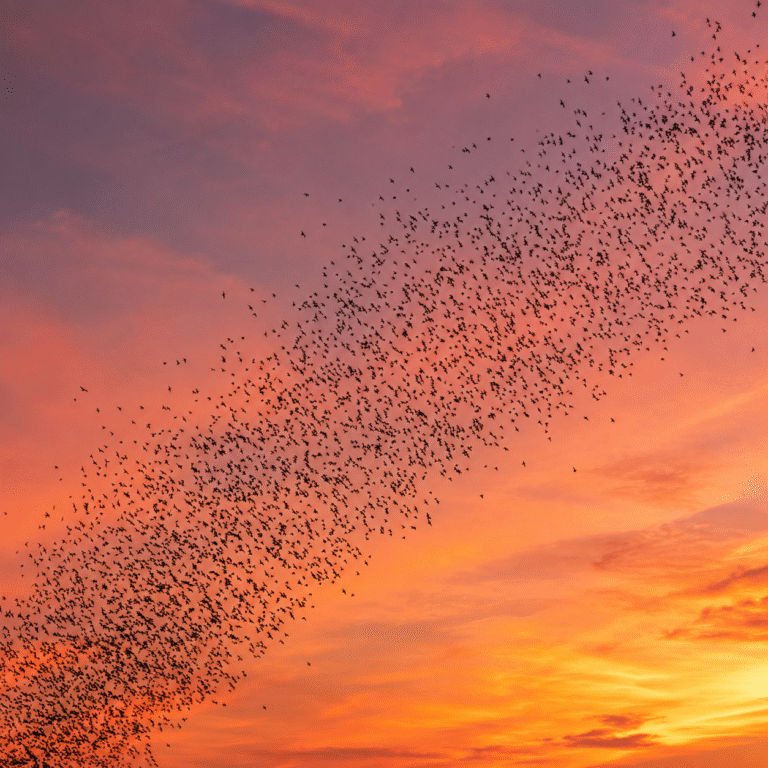
On winter evenings, the skies above Brighton’s seafront fill with one of nature’s best free shows. Thousands of starlings gather at dusk and swirl together in vast, shape-shifting clouds before dropping down to roost on the piers. The starling murmurations in Brighton are a genuine spectacle, and you do not need any equipment or tickets to enjoy them, just warm clothes and good timing. This guide covers when and where to see the murmurations, why the starlings do it, and how to make the most of an evening watching them.
The displays depend on the birds and the weather, so no two evenings are the same, which is part of the magic.
Quick Reference
| Detail | Information |
|---|---|
| Season | November to February (sometimes from late October) |
| Best time | Around dusk, 30 to 45 minutes before sunset |
| Best spots | Palace Pier, and the seafront by the West Pier and i360 |
| Cost | Free |
| What to bring | Warm clothes and patience |
| Bonus | Sunset over the sea behind the display |
Table of Contents
What Is a Starling Murmuration?
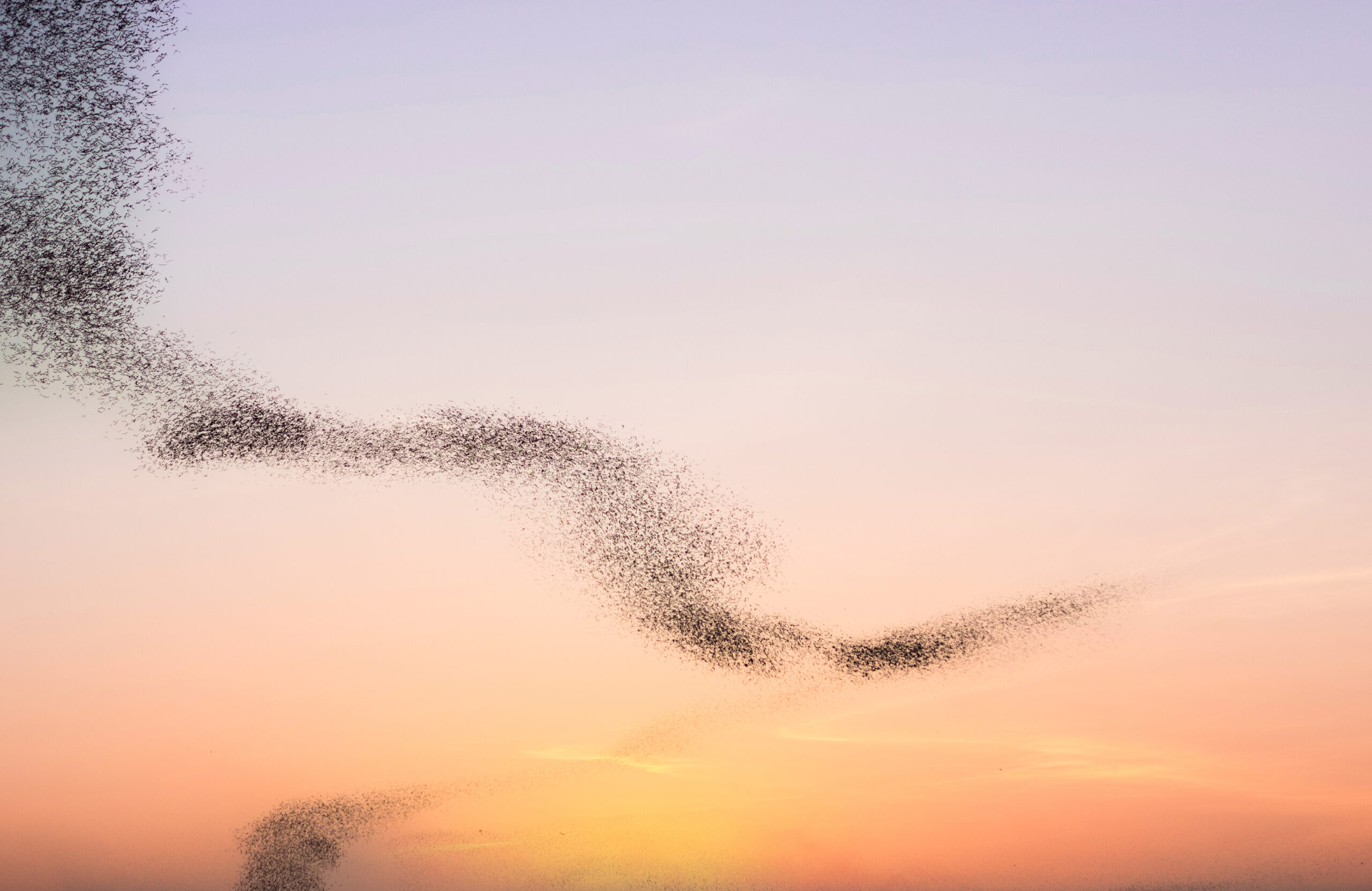
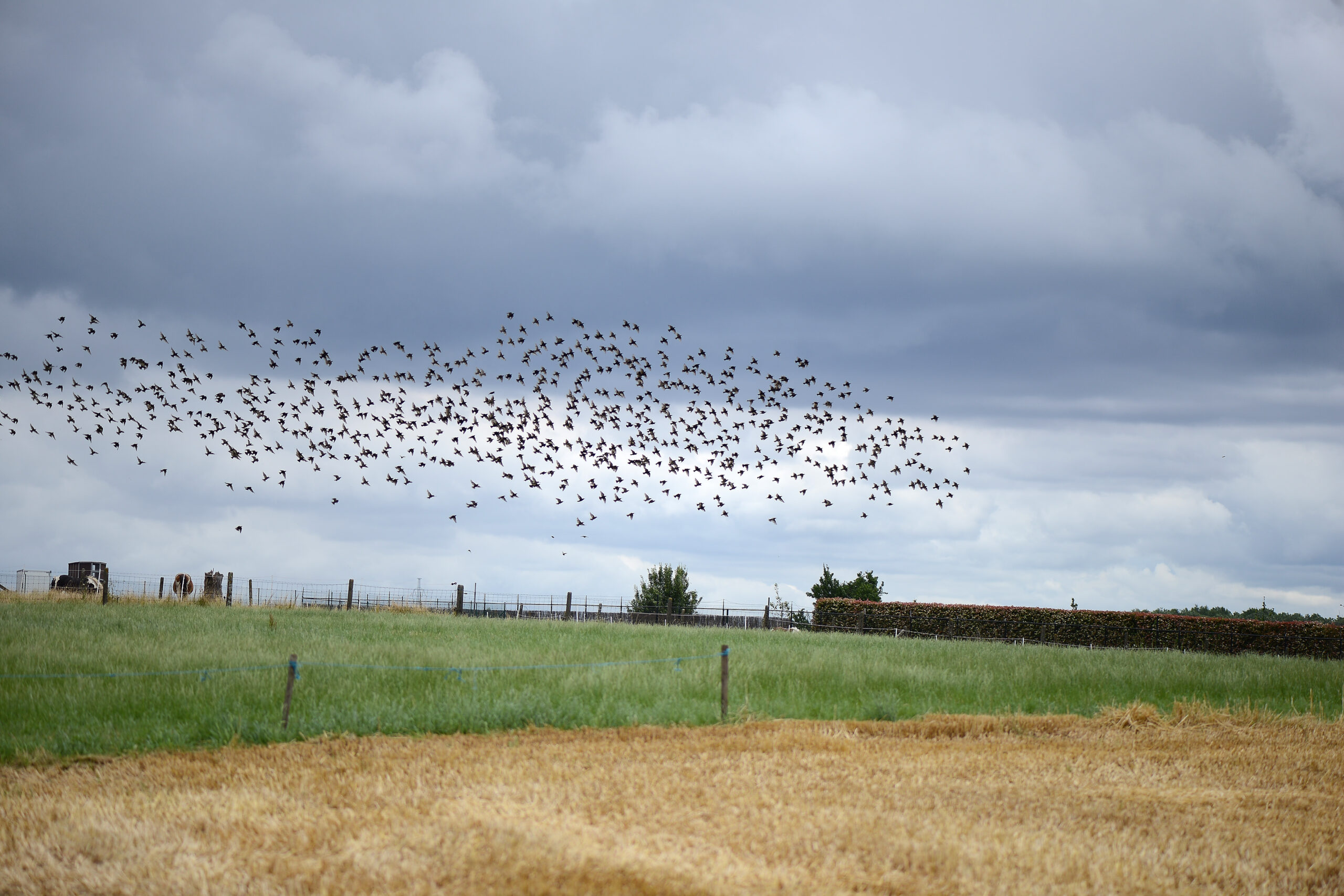
A murmuration is the name for a large flock of starlings moving together as one, twisting, swooping and folding through the sky in patterns that look almost choreographed. The name is said to come from the sound, the soft murmur of thousands of wings beating at once, though up close it is more of a rushing whoosh.
What makes it so mesmerising is how tightly coordinated it is, with no leader and no collisions. Scientists put this down to a simple rule playing out at scale: each bird reacts to the movement of around seven of its closest neighbours, and that ripple of response spreads through the whole flock in an instant, producing the rolling, wave-like shapes you see overhead.
When to See the Murmurations
The season for starling murmurations in Brighton runs from around November to February, and can sometimes begin in late October. The numbers tend to build as winter goes on, then thin out by late February as the birds prepare to head back north.
The displays happen around dusk, every evening when conditions are right, as the starlings return from feeding across the Sussex countryside to roost for the night. Brighton & Hove City Council lists the starling spectacular among the city’s seasonal natural highlights. The sweet spot is to arrive about 30 to 45 minutes before sunset. That gives you time to find a good position and watch the flocks gather and build before they put on their display and finally pour down onto the pier to roost. Still, dry evenings tend to give the best shows.
Where to Watch in Brighton
There are two main vantage points, and both are right on the seafront.
The first is Brighton Palace Pier itself. The starlings often roost on the pier’s understructure, among the ironwork beneath the deck, so this is the closest you can get to the action as they swirl in and settle. The pier has a café, fittingly named the Starling’s Roost, if you want a hot drink while you wait.
The second is the stretch of seafront a little to the west, looking out towards the ruined West Pier and the i360 tower. The birds often gather and perform over the old pier before roosting, and the skeletal remains of the West Pier make a dramatic backdrop. The beach just west of the Palace Pier and the raised area near the i360 both give a clear view of the sky.
Wherever you stand, you are looking up and out to sea, so you often get the display set against a colourful sunset, which is what makes the starling murmurations in Brighton so photogenic.
Tips for the Best View
A few simple things make for a better evening. Wrap up warm, as standing still on an exposed seafront in winter gets cold quickly. Arrive early and be patient, since the timing varies night to night and the best displays can come right at the last light. Keep an eye on the weather, as calm, clear evenings generally produce better, longer displays than wet and windy ones. And if you want photos, a phone will capture the broad shapes, but the swirling patterns are often best simply watched rather than filmed.
Spare a Thought for the Starlings
As big as the Brighton flocks look, they are smaller than they once were. The starling is now a red-listed species in the UK, meaning it is of high conservation concern, after the breeding population fell by around 82 percent between 1970 and 2022. The likely causes are the loss of feeding grounds and nesting sites that has come with intensive farming and modern building.
Many of the birds wheeling over the pier are winter visitors that have flown in from Scandinavia and other parts of northern and eastern Europe to escape the colder weather there. It makes the spectacle all the more worth seeing, and worth protecting.
FAQs
When is the best time to see starling murmurations in Brighton?
From around November to February, occasionally starting in late October. Aim to arrive 30 to 45 minutes before sunset on a calm, dry evening, as the display happens at dusk before the birds roost.
Where is the best place to watch the murmurations?
Brighton Palace Pier is the closest spot, as the starlings roost on the pier’s understructure. The seafront looking towards the West Pier and the i360 is another excellent vantage point, with the ruined pier as a backdrop.
Why do starlings form murmurations?
The leading theory is safety in numbers, as a swirling mass of thousands of birds makes it hard for a predator like a peregrine to pick out a single target. The displays may also help the birds keep warm and share information about feeding grounds before they roost.
Do I need to pay or book to see them?
No. The murmurations are completely free to watch from the seafront, one of the best free things to do in Brighton in winter. You just need to turn up at the right time and look up.
How long does a murmuration last?
It varies, but the main display usually unfolds over 20 to 40 minutes around dusk, building gradually before the birds drop down to roost as the light fades.
Final Thoughts
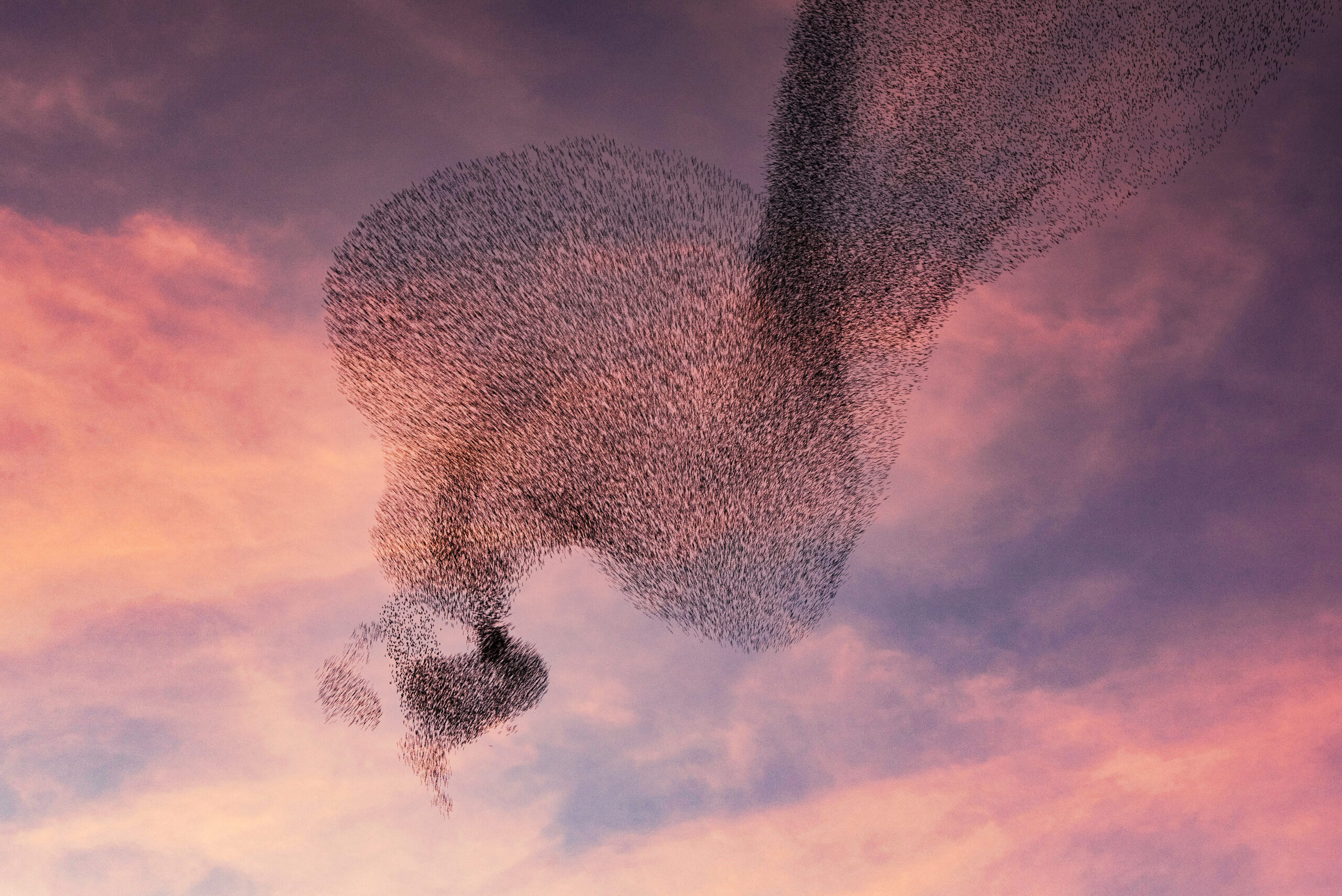
The starling murmurations in Brighton are one of the city’s great winter pleasures, a free, ever-changing natural display right on the seafront with the sunset and the sea behind it. Wrap up warm, get to the pier for dusk on a clear evening, and look up. It is the kind of simple, magical thing that makes a winter evening in Brighton worth braving the cold for.