
Last Updated on 7 May 2026 by Dave King
Finding the best dentists in Brighton starts with knowing what actually matters to you: location, access, treatment range, emergency cover, cost and how comfortable you feel with the practice. Brighton and Hove have a mix of NHS, private and mixed dental clinics, and the right choice will depend on whether you want routine check-ups, cosmetic work, orthodontics, implants or quicker private access.
This guide walks you through the practical things to check, from reviews and qualifications to emergency care and the difference between private and NHS dentistry. It also points to a few nearby Brighton cafés and bakery stops that can make an appointment feel less like a chore and more like part of your day.
Table of Contents
- What are the key factors to consider when choosing a dentist in Brighton?
- How do location and accessibility affect your choice?
- Why are patient reviews and ratings important?
- What qualifications should you check before booking?
- Which dental treatments are usually available at Brighton practices?
- How can you access emergency dental services in Brighton?
- How do private dentists in Brighton compare to NHS dental services?
- Which local Brighton venues can make a dental visit feel easier?
- FAQs
- Final thoughts
- Useful Reads
What are the key factors to consider when choosing a dentist in Brighton?
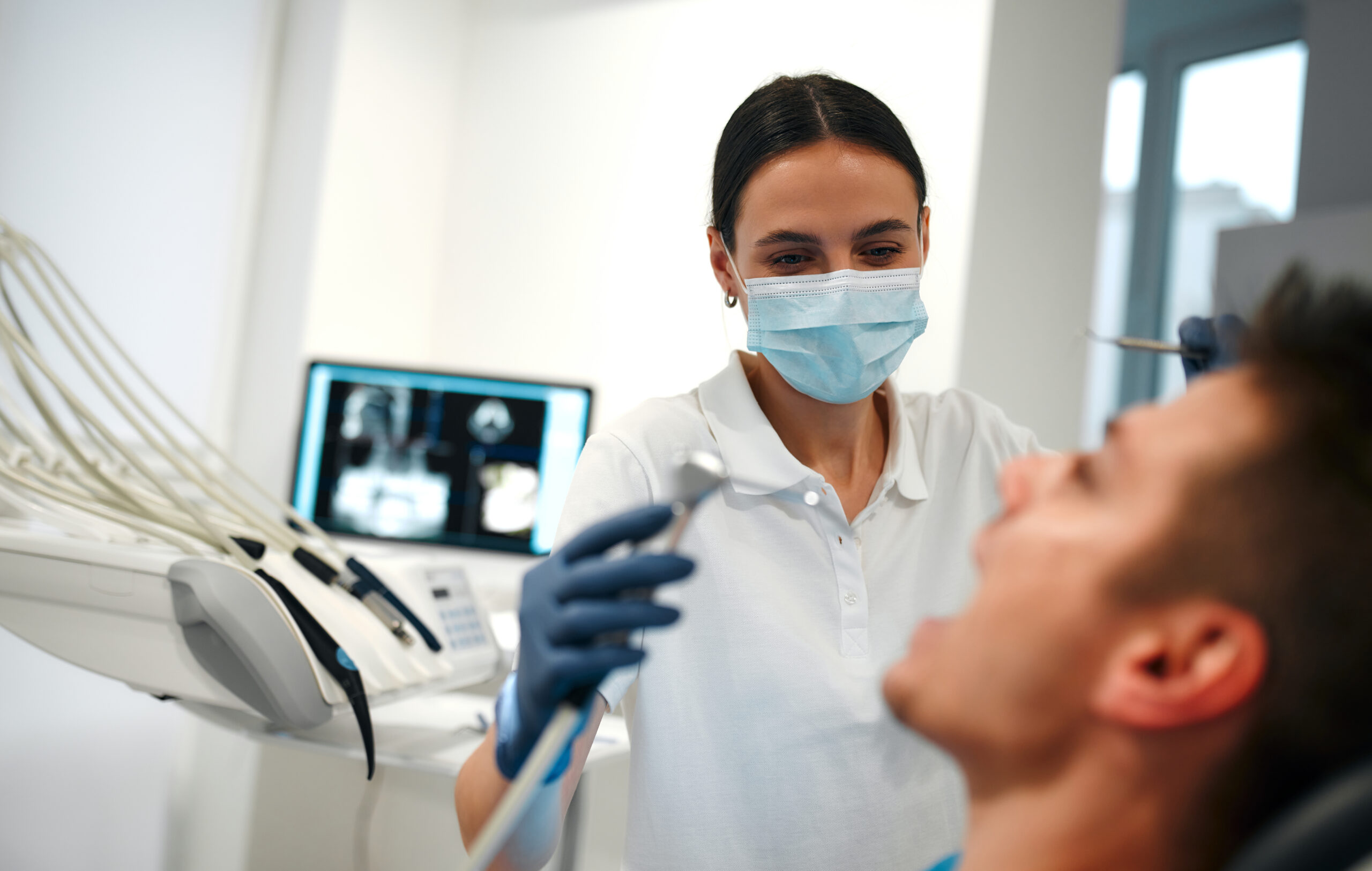
When comparing dentists in Brighton, the best place to start is with the basics: how easy the practice is to reach, whether the clinicians are properly registered, what treatment range is offered, how urgent appointments are handled, and whether the fees are clear before treatment begins. The General Dental Council is the UK regulator for dental professionals, and NHS guidance also makes clear that urgent and routine access routes can differ depending on what you need.
| What to check | Why it matters | What to look for |
|---|---|---|
| Location and access | Makes regular visits easier | Near work, home, bus routes, station or parking |
| Registration and qualifications | Confirms the clinician can practise legally | General Dental Council registration |
| Reviews and reputation | Gives a feel for patient experience | Patterns in feedback, not one-off comments |
| Treatment range | Saves switching practices later | Hygiene, fillings, cosmetic work, orthodontics, implants |
| Emergency access | Important if something goes wrong suddenly | Same-day slots, emergency guidance, NHS 111 route |
| Fees and payment style | Helps avoid surprises | NHS bands, private fee list, finance options if relevant |
How do location and accessibility affect your choice?
Location matters more than most people think. A practice near Brighton Station, central bus routes or a council car park is simply easier to stick with over time, especially if you need repeat visits or want appointments before or after work. Accessibility matters too, especially in older Brighton buildings where stairs, narrow entrances or awkward layouts can make a visit harder than it needs to be.
It is also worth checking opening hours early on. Evening and weekend appointments can make a huge difference if your weekdays are packed, and some practices are much clearer than others about this on their websites.
Why are patient reviews and ratings important?
Patient reviews are not perfect, but they are still useful. They can help you spot consistent themes around punctuality, staff attitude, communication, children’s appointments and how nervous patients are treated. Research on online patient reviews has found that they are widely used as a public source of healthcare information, which is why it makes sense to look for patterns rather than focus on one glowing or angry comment.
The most useful approach is to look for repetition. If lots of people mention the same strength or the same problem, that tells you much more than one isolated review ever could.
What qualifications should you check before booking?
Before booking, check that the dentist is registered with the General Dental Council. The GDC’s public register exists specifically so patients can confirm whether a dental professional is registered and allowed to practise in the UK.
After that, look at experience and focus areas. If you are considering orthodontics, implants or cosmetic treatment, it is sensible to check whether the practice explains who carries out that work and what extra training or experience they have.
Which dental treatments are usually available at Brighton practices?
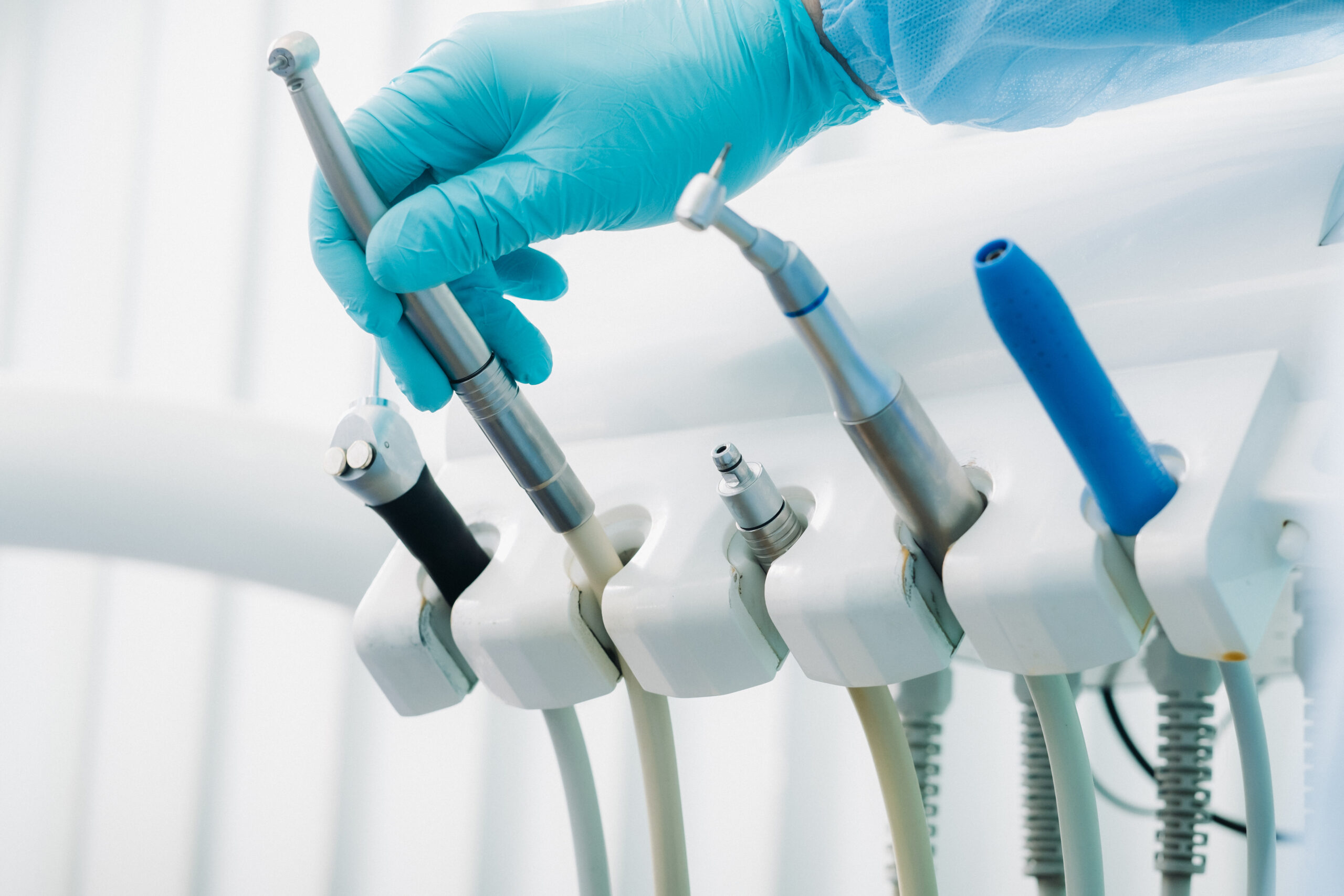
Most Brighton dental practices will cover routine care first, then vary in how far they go with cosmetic and specialist work. A good all-round practice will usually offer examinations, hygienist appointments, fillings, gum care and extractions, while some will also provide whitening, veneers, clear aligners, implants and more complex restorative treatment. NHS care covers clinically necessary treatment, while private care often opens up more elective and cosmetic options.
| Treatment type | What it usually includes | Best for |
|---|---|---|
| Routine care | Check-ups, X-rays, hygiene, fillings, gum advice | Ongoing oral health |
| Cosmetic dentistry | Whitening, veneers, bonding | Appearance-focused changes |
| Orthodontics | Braces or clear aligners | Straightening teeth |
| Restorative dentistry | Crowns, bridges, dentures, implants | Repairing or replacing teeth |
| Emergency dentistry | Pain relief, broken teeth, swelling, infections | Urgent care |
What cosmetic dentistry options are common in Brighton?
Cosmetic dentistry usually means whitening, veneers and bonding. These are the treatments most practices mention first when patients want to improve the look of their smile rather than deal with a painful or urgent issue. The right practice for this kind of work is usually one that is clear about before-and-after expectations, consultation fees and whether the treating clinician has a particular cosmetic focus.
How do orthodontics and implants compare?
Orthodontics and implants are longer-term decisions, so this is where comparing clinics matters more. Some practices mainly offer straightforward clear aligner cases, while others have stronger orthodontic or implant planning support, in-house imaging or more complex restorative experience. It is worth asking not just what they offer, but how often they do it.
How can you access emergency dental services in Brighton?
If you have urgent dental pain, swelling, trauma or a broken tooth, the NHS advice is to contact a dentist and ask for an urgent appointment, or use NHS 111 for advice if you cannot get help that way. The NHS Sussex urgent dental care page also directs patients to NHS 111 outside service hours, and local Brighton and Hove information sources continue to reference the out-of-hours emergency dental service line for the city.
Where should you look first?
Start with your own dentist if you already have one. If you do not, or you need help out of hours, NHS 111 is the safest default route. Locally, Healthwatch Brighton & Hove says the Brighton & Hove Emergency Dental Service can be contacted on 03000 242 548 after 5.30pm on weekdays and from 9am at weekends.
What counts as an urgent dental problem?
Severe toothache, facial swelling, a knocked-out tooth, a broken tooth after trauma, or bleeding that will not stop are the kinds of problems that usually need prompt attention. NHS urgent dental guidance is designed around pain relief, managing infection and preventing the situation getting worse.
How do private dentists in Brighton compare to NHS dental services?
This is one of the biggest practical decisions. NHS dentistry is more affordable for clinically necessary treatment, but access can be harder and the treatment scope is narrower. Private dentistry often gives faster appointments, more choice, and wider cosmetic or elective options, but at a higher cost. NHS England and NHSBSA both publish the current NHS charging structure for England, which is the clearest baseline to compare against.
What are the current NHS dental charges?
From 1 April 2026, NHS dental charges in England are:
| NHS treatment band | Cost |
|---|---|
| Band 1 | £27.90 |
| Band 2 | £76.60 |
| Band 3 | £332.10 |
| Urgent dental treatment | £27.90 |
These current figures are published by NHS and NHSBSA.
Private fees vary much more from practice to practice, which is why it is better to compare fee lists directly rather than rely on broad average ranges that may be out of date or misleading.
How should you choose between NHS and private care?
If affordability matters most and your treatment needs are straightforward, NHS care is often the better fit. If speed, flexibility and cosmetic options matter more, private care may be worth the extra cost. In practice, a lot of Brighton patients end up comparing mixed practices that offer both.
Which local Brighton venues can make a dental visit feel easier?
A nearby coffee or short stop afterwards can make appointments feel less clinical, especially if you are a nervous patient. In central Brighton, The Flour Pot Bakery, Cafe Coho and The Breakfast Club Brighton are all real, current options, and Cafe Coho’s Ship Street site is right in the Brighton Lanes. The Flour Pot also has multiple Brighton locations.
If you are turning the appointment into a softer kind of day out, our guides to the best cafés in Brighton and the best bakeries in Brighton are the most natural related reads for this topic.
FAQs
What should I look for in a dentist’s qualifications and experience?
Check General Dental Council registration first, then look at the dentist’s experience and whether the practice clearly explains who handles treatments like implants, orthodontics or cosmetic work.
How can I prepare for my first dental appointment?
Bring a list of medications, relevant medical history and any previous dental records you have. It also helps to write down any symptoms, concerns or treatment questions so you do not forget them once you are in the chair.
What are the signs that I need urgent dental care?
Severe pain, facial swelling, a knocked-out or broken tooth, or bleeding that does not stop are all strong reasons to seek urgent dental advice. NHS urgent dental guidance specifically points patients towards contacting a dentist or using NHS 111 in these situations.
What should I do if I have dental anxiety?
Tell the practice before you attend. A good team will explain the appointment clearly, slow the pace down and talk through options to make treatment feel more manageable.
How often should I have a dental check-up?
Many people are used to six-monthly check-ups, but the right interval can vary depending on your oral health, age and risk factors. Your dentist should advise what is appropriate for you.
Final thoughts
Choosing the right dental practice is really about fit. If you are comparing the best dentists in Brighton, focus on location, qualifications, emergency access, treatment range, cost clarity and the kind of experience patients seem to have. Once those basics line up, it becomes much easier to decide which practice feels right for you.