Last Updated on 29 July 2026 by Dave King
Rottingdean Beach is a shingle beach beneath the white chalk cliffs a few miles east of Brighton, backed by one of the prettiest old villages on the Sussex coast. It is a good alternative to the busy central seafront, with summer swimming, rock pools at low tide and a village full of pubs, cafés and history just behind the sand. This guide covers what to expect at Rottingdean Beach, the swimming, the village, parking, dogs and how to get there.
The beach itself is small and pebbly, but the setting under the cliffs and the village behind it make it one of the nicer spots for a relaxed day out of the city.
Quick Reference
| Detail | Information |
|---|---|
| Beach type | Shingle and some sand, under chalk cliffs |
| Distance from Brighton | A few miles east |
| Swimming | RNLI lifeguards 18 July to 6 September 2026; central section best |
| Parking | Pay-and-display in the village; some free on Steyning Road |
| Behind the beach | Pubs, cafés, a windmill and Kipling Gardens |
| Dogs | All beaches Oct to Apr; main beach restricted in summer |
Table of Contents
What to Expect at Rottingdean Beach
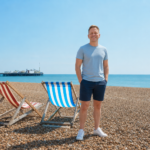
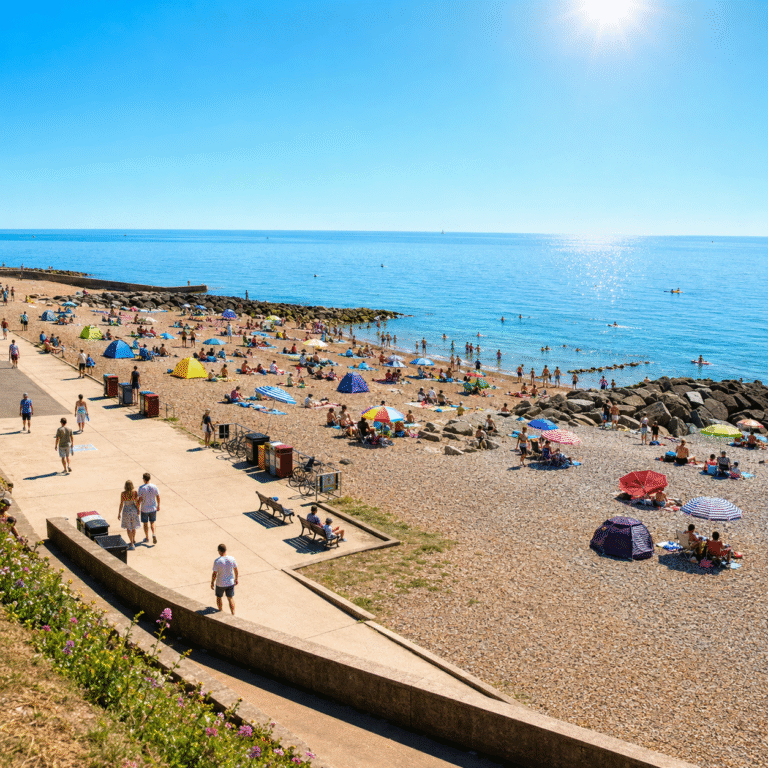
Rottingdean Beach sits at the foot of the cliffs where the village meets the sea, sheltered between breakwaters with a paved promenade along the front. The beach is mainly large pebbles, with some sand appearing at low tide, so it is better for a deckchair than for stretching out directly on the shingle. There are vintage beach chalets along the front, a café and toilets at the top, and a basketball court by the car park.
It is a sheltered, friendly spot, and because the village is right there you are never far from a coffee, a pint or a bag of chips.
Swimming and Rock Pools
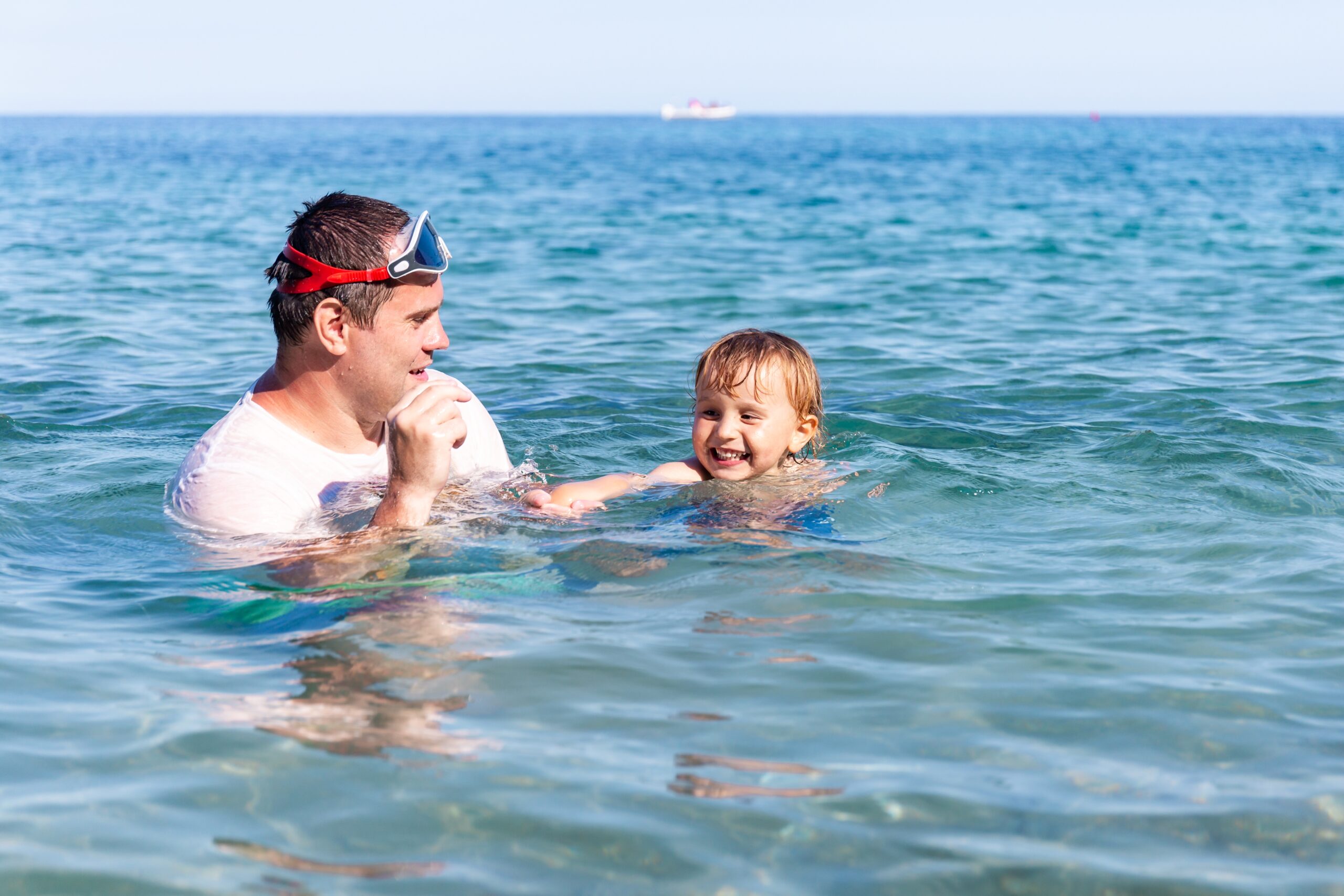
Rottingdean is a good swimming beach, and the central section, opposite the road ramp and the toilet block, is the best place to get in, as it stays swimmable even at low tide when the spots either side become rocky. There are a few scattered rocks close to the shore at very low water, so take care wading out. RNLI lifeguards patrol from 18 July to 6 September 2026.
At low tide the beach turns into a natural playground, with rock pools to explore along the foot of the cliffs where children can look for crabs and sea anemones.
The Village Behind the Beach
What sets Rottingdean apart is the village itself, one of a string of old Saxon settlements along this coast. The writer Rudyard Kipling lived here at the end of the 1890s, and the artist Edward Burne-Jones spent his summers in the village, leaving stained-glass windows in St Margaret’s Church. You can wander Kipling Gardens, visit the Grange museum and art gallery, or climb Beacon Hill to the black windmill that has stood above the village since 1802.
For food and drink there is plenty within a few minutes of the sand. Molly’s at the Beach sits on the Undercliff path for coffee and snacks, Sea Spray on the High Street does breakfasts and light lunches, and Smugglers is the spot for fish and chips. The village pubs, including the White Horse, the Black Horse and the Plough Inn, round things off nicely.
Parking and Getting There
There are two central pay-and-display car parks in the village, at West Street and at Marine Cliffs, with parking also along Marine Drive. There are a few free spaces on Steyning Road, though time limits apply, and the car parks fill up early on sunny weekends.
By bus, the 12, 12A and 14 run regularly from central Brighton and stop in the heart of the village, a few minutes from the seafront. By car, follow the A259 coast road east. You can also arrive on foot or by bike along the Undercliff Walk, the flat, paved coastal path that runs just under three miles from Brighton Marina to Saltdean, passing right through Rottingdean.
Dogs at Rottingdean Beach

Dog rules here are more specific than a simple whole-beach ban. As across the city, dogs are allowed on all the beaches from 1 October to 30 April. From 1 May to 30 September Rottingdean’s main beach is restricted, but the council’s dog-friendly beach map lists dog-friendly sections either side, running west towards the Marina and east towards Saltdean. Our guide to dog-friendly Brighton beaches has the full picture, and the signs at each entrance confirm the current rules.
FAQs
Can you swim at Rottingdean Beach?
Yes. The central section opposite the road ramp is the best place to swim, as it stays swimmable even at low tide. There are RNLI lifeguards from 18 July to 6 September 2026 and a few scattered rocks to watch for at very low water.
Is there parking at Rottingdean Beach?
There are two central pay-and-display car parks, at West Street and Marine Cliffs, plus some time-limited free spaces on Steyning Road. They fill up early on sunny weekends.
Are dogs allowed on Rottingdean Beach?
Dogs are allowed on all the beaches from 1 October to 30 April. From 1 May to 30 September the main Rottingdean beach is restricted, though the council lists dog-friendly sections either side. Check the council map and the signs before settling down.
What is there to do at Rottingdean besides the beach?
The village has Kipling Gardens, the Grange museum, St Margaret’s Church with its Burne-Jones windows, and the windmill on Beacon Hill, plus pubs, cafés and a fish and chip shop.
How do you get to Rottingdean Beach from Brighton?
The 12, 12A and 14 buses run from central Brighton to the village. By car it is a short drive east on the A259, and you can also walk or cycle the flat Undercliff Walk from Brighton Marina.
Final Thoughts
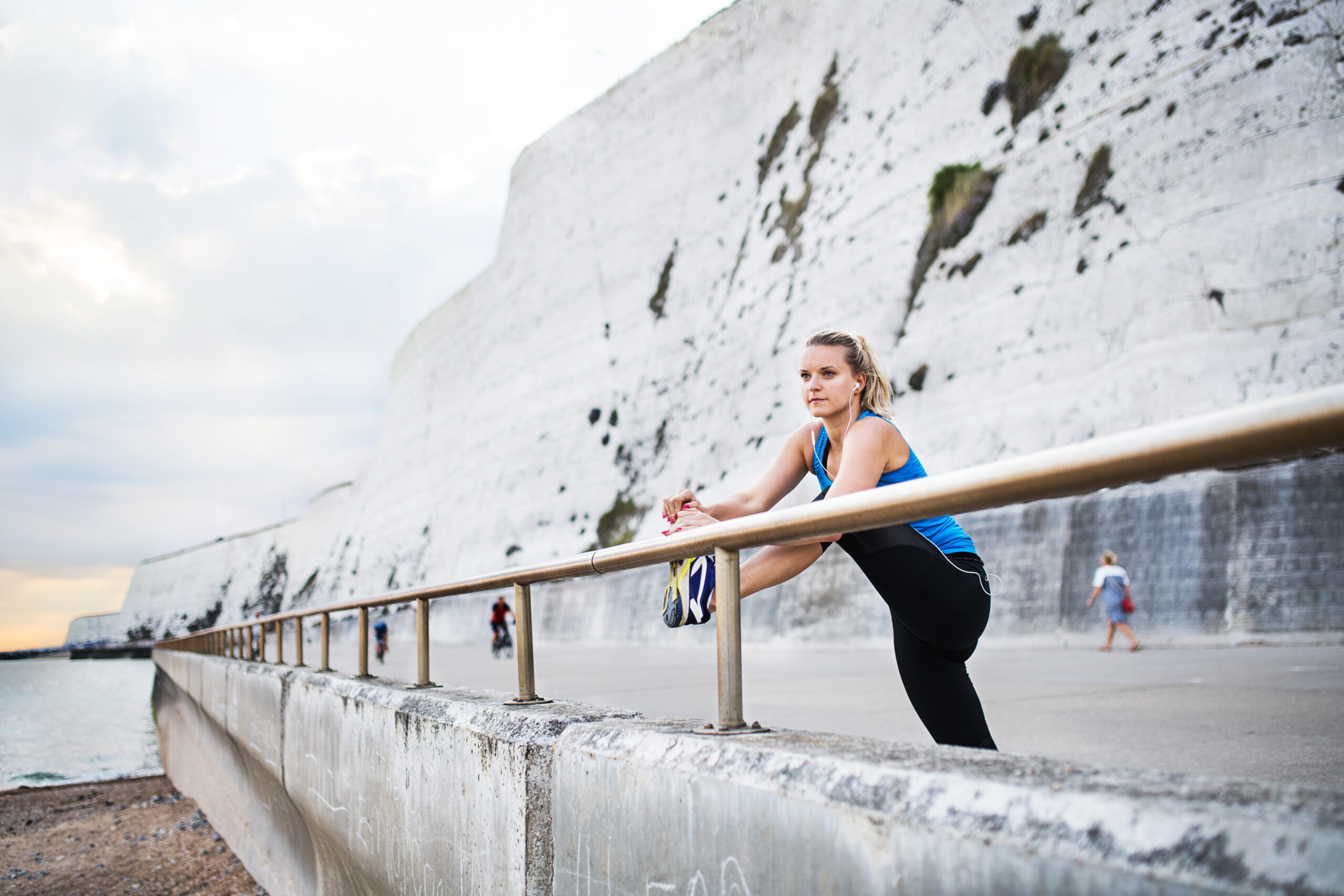
Rottingdean Beach is one of the loveliest spots just outside Brighton, a sheltered shingle beach under the white cliffs with a proper old village behind it. Come for a swim and a rock pool, then wander up into the village for a coffee, a look at the windmill and a wander through Kipling Gardens. It makes an easy and rewarding day out from the city.