
Table of Contents
- What water sports can you try in Brighton?
- Where are the best spots for water sports in Brighton?
- How can you try stand-up paddleboarding and kayaking in Brighton?
- What should you know about jet-skiing and sailing in Brighton?
- How can you choose eco-friendly and family-friendly water sports in Brighton?
- Conclusion
This blog post may contain affiliate links. As an Amazon Associate I earn from qualifying purchases.
Brighton’s coastline packs a surprising amount of water sports into a small stretch of sea — from calm lagoons perfect for first-timers to the Marina and open Channel for more experienced sailors. This guide walks you through the activities you can try, where to go, and practical tips to keep your sessions safe and fun. Expect clear, usable advice on stand-up paddleboarding (SUP), kayaking, jet-skiing, wind sports and sailing, plus family-friendly and low-impact options around Hove Lagoon and beyond. This is your ultimate guide to water sports in Brighton!
Whether you’re booking your first hire or ready to take lessons and tackle open-water routes, we explain how to hire kit, what safety checks to expect, and how to pick greener activities. Below you’ll find activity overviews, top locations with a quick comparison, hands-on SUP and kayak tips, safety notes for powered craft, and simple criteria for eco-aware family days out.
Brighton Up Your Day shares local insight and straightforward tips about watersports in Brighton. If you like this guide, join our email list for seasonal updates, hire and lesson news, and curated Brighton picks delivered to your inbox. Signing up is optional, but it’s the easiest way to know when lessons, hire slots or local events change over the season. The rest of this guide focuses on clear, verifiable info to help you plan a safe, enjoyable day on the water.
What water sports can you try in Brighton?
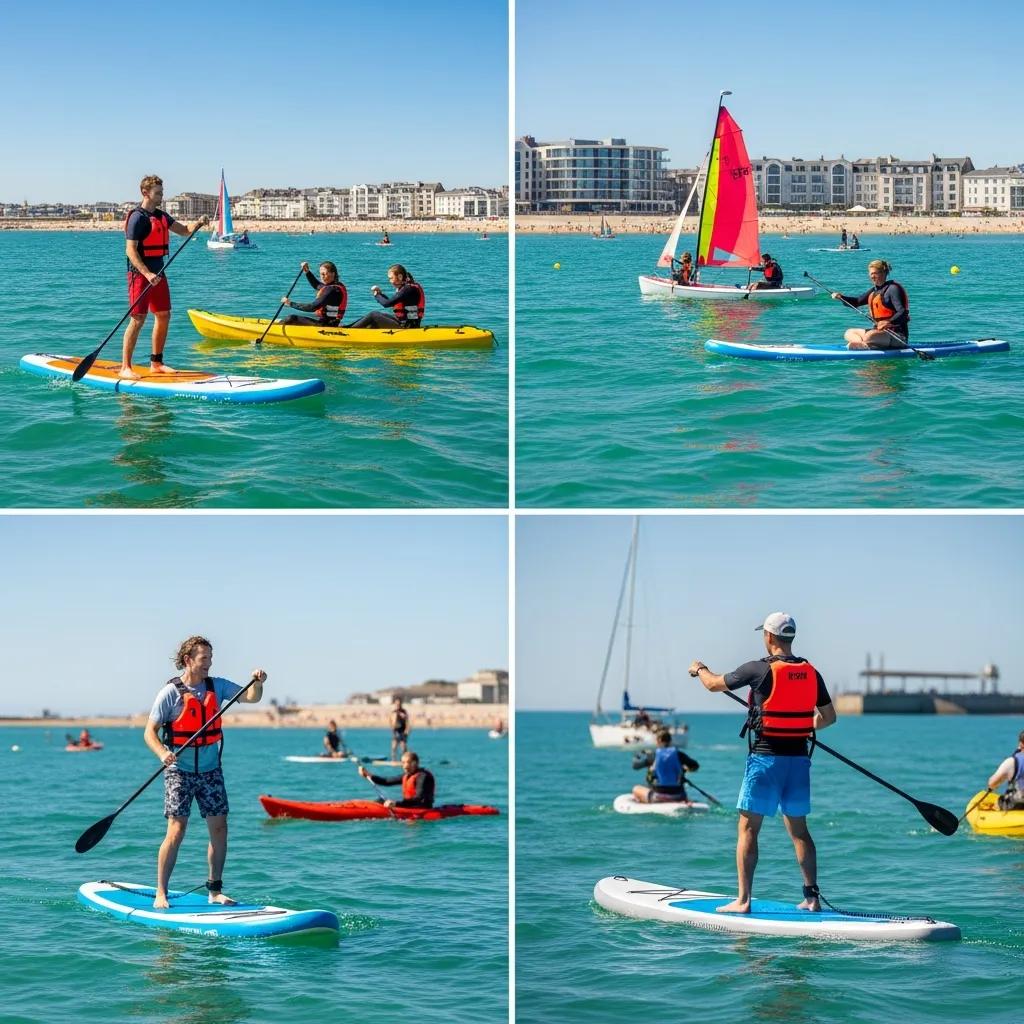
Brighton offers a mix of motorised and non‑motorised activities suited to all levels — from sheltered SUP sessions to open-water sailing. Each sport needs specific kit (a SUP or kayak with paddle, or a dinghy with sails) and gives different perks: fitness, family fun or an adrenaline hit. Which you pick depends on the spot (lagoon versus open sea), your experience and whether you want lessons or self-hire. Below are the most common activities around Brighton with quick notes on who they suit.
Here’s a short rundown of Brighton’s core watersports and what they’re good for:
- Stand-up paddleboarding (SUP) : Perfect for beginners in sheltered water — great for balance and easy cardio.
- Kayaking : Good for families and solo paddlers; works on calm waters and coastal routes.
- Sailing : Ideal if you want structured lessons and a clear progression path from marina-based coaching.
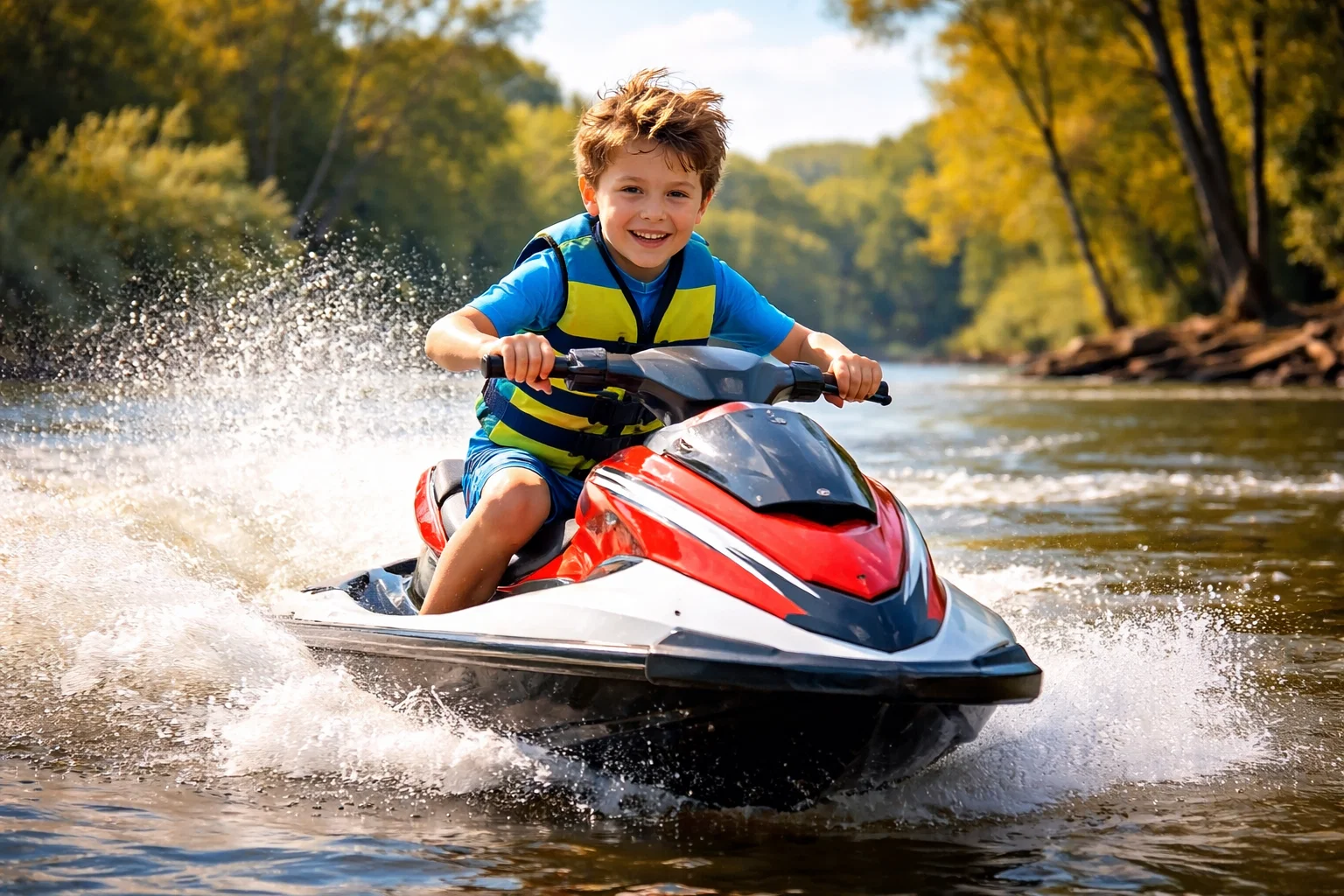
- Jet-skiing : For thrill-seekers and experienced riders — subject to designated zones, local regulations, and seasonal availability.
- Windsurfing & kitesurfing : Best for intermediate to advanced participants when the wind is on your side.
- Sea swimming & wild swimming : Low-equipment, seasonal — put safety and cold-water prep first.
These activities suit different seasons and conditions — sheltered venues are friendlier for beginners, while the open Channel is for experienced sailors and powered craft. Next up: where to go and what each location works best for.
Which water sports are most popular in Brighton?
Paddle sports and sailing have become noticeably more popular in recent seasons. SUP and kayaking are now common along calmer stretches and in the lagoon, while Brighton Marina is a hub for sailing and organised activities. The town’s mix of sheltered launch spots and easy access to open water makes it attractive to learners and more confident paddlers alike. Rising interest in low-impact paddle sports mirrors wider trends and shapes what hire and lesson providers offer — which is why many people start with a SUP or kayak session on their first visit.
That growing interest brings benefits — and some challenges. Managing numbers, protecting wildlife and keeping the shoreline enjoyable for everyone matters as participation rises.
Growth, sustainability and managing coastal aquatic sports
General research into coastal aquatic sports notes that participation has risen sharply, driven by social change, technology and wider access initiatives. That growth can strain sites and create user conflicts, so integrated coastal management and sustainable planning are important to keep activities balanced with environmental and social needs.
Conflict and coastal aquatic sports: a management perspective, 2004
With local paddle-sport numbers on the up, it’s useful to know which options suit beginners and where to find sheltered learning spots. The section below explains the easiest activities to start with in Brighton and why they work.
What are the best watersports for beginners in Brighton?
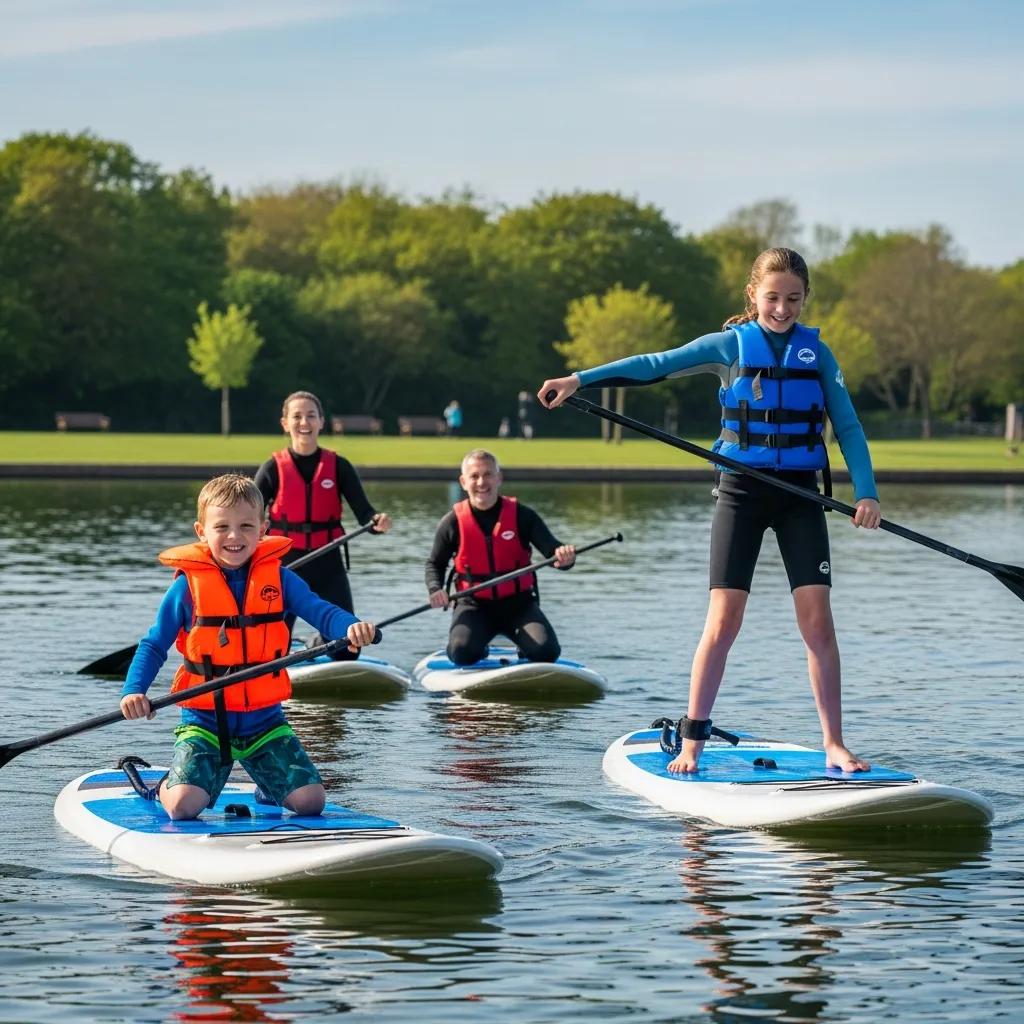
For beginners you want stability, calm launch areas and clear instruction — which is why SUP and kayaking are top choices here. Both use straightforward kit (board, paddle, lifejacket; or kayak and buoyancy aid) and work well in sheltered spots like Hove Lagoon. Those calm waters help you learn balance, paddle strokes and safe launches before moving to short coastal trips. Lessons or supervised hires that include a safety brief, lifejacket fitting and basic practice sessions speed up learning and cut unnecessary risk.
Once you’ve got the basics in sheltered water, you can step up to slightly longer coastal routes or join guided group outings that teach tide awareness, navigation and safe re-entry. Those core skills make the jump to wind-assisted or open-water activities much smoother.
Where are the best spots for water sports in Brighton?
The main watersports spots are Hove Lagoon, Brighton Marina and the pebbled Brighton Beach, each catering to different activities and experience levels. Hove Lagoon is sheltered and predictable — ideal for beginners and family sessions. Brighton Marina is the base for sailing lessons, organised trips and moorings. Brighton Beach gives direct access to the Channel and is better suited to experienced paddlers and sailors. Launch points, nearby facilities and how sheltered a site is will all affect what’s safe and enjoyable.
The table below gives a quick comparison of the principal locations so you can pick the right place for your plans.
Shelter and facilities make a big difference: Hove Lagoon reduces the learning curve, the Marina supports boats and training, and Brighton Beach opens up coastal routes for advanced outings. Use those differences to choose the right venue for your activity and skill level.
Why is Hove Lagoon so good for watersports?
Hove Lagoon’s main advantage is calm, sheltered water — less wind chop and fewer currents make learning quicker and less stressful. That stability helps you practice balance on a SUP and makes kayak launches and recoveries easier, so it’s a natural choice for families and beginner classes. Nearby promenades and short kit carries mean less hassle for instructors and guardians. Book early-morning or late-afternoon slots when possible for calmer conditions and smaller crowds — great for building confidence.
Hove Lagoon is a gentle first step before you try coastal routes or Marina-based sailing lessons, which bring more variables and require different skills. Next we look at what the Marina offers for sailing and organised water activities.
How does Brighton Marina support sailing and other water activities?
Brighton Marina is a practical hub for organised sailing, maintenance and boats that need slips. It provides the rigging, launching and mooring infrastructure that structured lessons and progression routes depend on. A community of clubs and operators runs courses and tours here, focusing on seamanship, sail handling and navigation so learners can move from short supervised trips to longer coastal passages with qualified instruction. For powerboating and motorised craft, the Marina gives access to services and storage that open beaches don’t.
Knowing how the Marina works helps you find qualified instruction and choose courses that match your goals. Check provider credentials and course structure before you book.
How can you try stand-up paddleboarding and kayaking in Brighton?
SUP and kayaking are friendly, low-impact ways to explore Brighton’s coast. Learning relies on basic kit — board or kayak, paddle, lifejacket and a wetsuit in colder months. Beginners usually start in sheltered water with short, coached sessions covering balance, strokes and safe launching and landing. Intermediate trips include short coastal loops, tide-aware paddles and guided group outings with a focus on boat traffic and channel awareness. Don’t forget the basics: check weather and tides, wear a lifejacket and carry simple signalling kit to reduce risk.
Below is a practical comparison of common hire options in Brighton, though availability varies by operator and season (we haven’t named specific providers so you can match services to your needs).
Local hire centres suit casual users, while marina operators and clubs are better for structured coaching or regular practice. When you hire, prioritise the quality of the safety briefing and ask exactly what’s included.
Where can you hire paddleboards and kayaks in Brighton?
When you’re booking SUP or kayak hire, noting that availability varies by operator and season, pick providers that include a safety brief, lifejacket or buoyancy aid and clear advice on launch spots — those are the easiest signs of a reliable service. Ask about instructor qualifications, what kit you get (board, paddle, leash, lifejacket), whether insurance covers the hire and cancellation terms for poor weather. Families should check for child-sized lifejackets and short-session options to match attention spans. A good hire will point out local hazards, teach basic strokes and re-entry techniques, and run through emergency procedures before you head out.
Choosing a hire that covers those basics lowers risk and makes your first time on the water much more enjoyable. Next: must-know tips for beginners.
Essential tips for beginners in paddleboarding and kayaking
Focus on balance, simple strokes and safe launching and landing. On a SUP, start on your knees to find the feel of the board before standing up. Practice forward and turning strokes, and keep a low centre of gravity when getting into or out of a kayak to avoid capsizes. Always wear a lifejacket or buoyancy aid, check the tide and weather, and tell someone your plan with an estimated return time. Short sessions of 30–60 minutes build skills without tiring you out, and practising re-entry in shallow water boosts confidence for longer trips.
Those basics set you up for longer coastal routes or guided group outings where navigation and tide management matter more. If you’d like updates on hire locations, seasonal tips and local offers, our Brighton Up Your Day email list shares curated notices and practical advice.
What should you know about jet-skiing and sailing in Brighton?
Jet-skiing and sailing differ in kit, regulation and environmental impact. Motorised activities need stricter regulation and operator checks; sailing emphasises seamanship and step-by-step learning. Jet-skiing, where available, requires attention to licences, local speed limits, designated zones, and wake impacts near swimmers and wildlife — reputable operators give thorough safety briefings and set clear experience requirements, all subject to seasonal availability. Sailing focuses on wind theory, sail handling and navigation, with lessons that move from sheltered practice to coastal passages as you progress. Knowing the differences helps you pick an activity that matches your comfort with risk and your environmental values.
Safety and visitor well‑being are central in all water environments — the consequences of mistakes at sea can be serious, so sensible preparation matters.
Coastal & marine tourism: safety and visitor well‑being
General studies on coastal and marine tourism cover a wide range of activities and note it is a major part of travel. Visitors can face real risks in water-based settings, so clear responsibilities, safety services and visitor guidance are essential. The literature highlights the need for legal duties of care, good on-site advice and evolving safety responses following events like the COVID‑19 pandemic.
Safety in coastal and marine tourism, J Wilks, 2014
Comparing safety needs for motorised and non‑motorised options helps you choose the right training, equipment and venue. The quick table below sums up the main differences.
Motorised sports bring extra operational demands and environmental responsibilities compared with wind- or human-powered activities. Always check qualifications and insist on a solid safety briefing for rentals and lessons. The next sections explain how to find rentals and join marina-based sailing courses in Brighton.
Where to find jet-ski rentals and safety guidance in Brighton
For jet-ski hire, where available and permitted, choose operators who run a clear safety briefing, show emergency stop and recovery procedures, and explain local speed zones, designated operating areas, and exclusion areas. Confirm any licence or experience requirements before you book, and check how they ask riders to behave around swimmers and wildlife. Make sure protective kit is provided — a suitable lifejacket and, where recommended, a wetsuit — and ask about fuel, insurance and contingency plans for bad weather. Booking ahead and checking refund or rebooking terms helps with the unpredictability of coastal conditions and seasonal availability.
Taking those steps helps you pick a reputable rental that balances fun with safety and local rules. Next up: how to approach sailing lessons and tours from the Marina.
How to join sailing lessons and tours at Brighton Marina
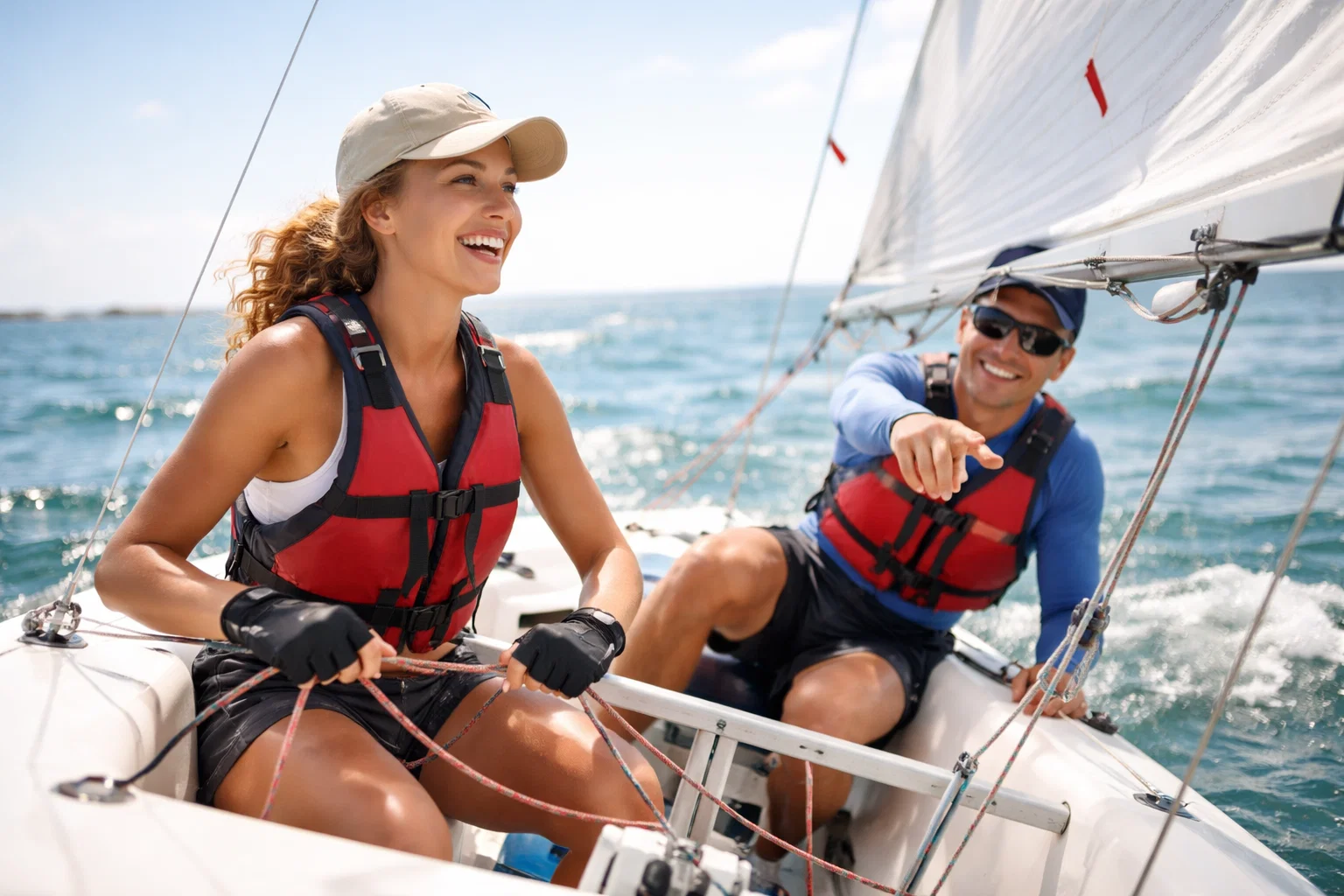
To join sailing lessons at the Marina, ask about course levels, whether instruction follows recognised standards (for example RYA-aligned coaching), and what’s included in lesson fees — lifejackets, instructor ratios and safety kit. Beginner courses usually cover basic seamanship, sail trim and boat handling in sheltered water before moving on to navigation and coastal-passage planning. For tours, check the route, duration and skipper credentials so the trip matches your experience and learning goals.
Understanding how courses are structured helps new sailors pick the right option and progress safely. Good preparation speeds up learning and keeps your time on the water enjoyable.
How can you choose eco-friendly and family-friendly water sports in Brighton?
Choosing eco-friendly activities means favouring non‑motorised sports, checking provider sustainability claims and adopting low‑impact habits: avoid sensitive wildlife areas, take your rubbish home and rinse kit responsibly. Family-friendly sessions are short, use buoyancy aids for children, launch from sheltered spots and are run by instructors used to working with younger groups. When evaluating providers, look for clear environmental measures, community engagement and transparent child-safety protocols. Simple actions — reusable bottles, no single‑use plastics, and respecting swimming zones — keep the coast pleasant for everyone.
Knowing how different water sports affect the environment helps users and managers reduce harm and promote better practices.
Water sports disciplines, environmental impacts and management
Reviews of water-based recreation, in general, identify motorised and non-motorised activities and their differing impacts: physical harm to vegetation, spread of invasive species, shoreline erosion and pollution. Effective management and user education are recommended to limit these effects and protect local ecosystems.
Water sports and water-based recreation, T Stott, 2019
Those considerations help you choose activities that match environmental stewardship and family needs, so Brighton’s coast stays enjoyable for years to come. Below are practical sustainable options to prioritise straight away.
What are sustainable watersports options in Brighton?
The most sustainable choices are human- and wind-powered activities: SUP, kayaking and sailing. They have a smaller carbon footprint and make less noise than motorised options. Pick hire providers who maintain kit well, promote shared sessions and reuse equipment to reduce waste. As a participant, pack out litter, avoid disturbing shoreline habitats and use reef‑friendly sunscreen. If you want to check a provider’s green claims, ask about equipment lifecycle, repair practices and local conservation support.
Those choices lead naturally to family-friendly recommendations for Hove Lagoon, where sheltered water and easy shore access make low-impact, child-safe sessions simplest to organise.
Which water activities suit families at Hove Lagoon?
Families do well with short SUP sessions, tandem kayaks and supervised beginner outings at Hove Lagoon. Bring correctly sized buoyancy aids, plan short sessions with regular breaks and supervise entries and exits closely to avoid cold-water issues and fatigue. Early times usually mean calmer water and fewer gusts, and staying close to the launch area makes supervision straightforward. Nearby promenades and seating help carers manage kit while kids gain confidence in the water.
A little planning makes family watersports safer and more enjoyable and reinforces sustainable behaviour and courtesy to other beach users. If you’d like curated family-friendly itineraries and sustainable activity suggestions, sign up to the Brighton Up Your Day email list for seasonal tips and tailored ideas.
- Pack the right kit : Take age-appropriate lifejackets, spare layers and a small first-aid kit.
- Choose short sessions : 30–60 minute outings suit children’s attention spans and energy.
- Prioritise sheltered launches : Hove Lagoon and sheltered marina areas make supervision and confidence-building easier.
- Respect wildlife and swimmers: keep your distance and avoid big wakes close to shore.
- Minimise single‑use plastics: use refillable bottles and avoid disposable packaging.
- Share gear where possible: group hires and lessons reduce resource use and cost.
Frequently asked questions
What safety measures should I take when doing water sports in Brighton?
Safety first. Always wear a lifejacket or buoyancy aid and check local weather and tide forecasts before you go. Beginners should join guided sessions so instructors can cover safety basics. Tell someone your plan and expected return time, carry a whistle or simple signalling device, and check your kit is in good condition before launching.
Are there age restrictions for water sports activities in Brighton?
Age rules vary by activity and provider. Children often join SUP and kayak sessions with adult supervision, and many operators offer family-friendly options. Some activities, like jet-skiing, usually have stricter age limits (often 16+). Always confirm with the provider what ages they accept and what kit they supply for kids.
What should I wear for water sports in Brighton?
Wear lightweight, quick-drying clothes for paddle sports, and add a wetsuit if the water’s cold. A lifejacket is essential, and water shoes help with grip on pebbles. In cooler months layer up with thermals and a waterproof jacket. Check the forecast and dress for comfort and safety.
How can I make my water sports experience eco-friendly?
Choose non‑motorised activities like kayaking or SUP, use reputable providers with green practices, avoid sensitive habitats and take all litter home. Share equipment when possible and use reef-friendly sunscreen. Small choices make a big difference for Brighton’s coastline.
When is the best time of year to enjoy water sports in Brighton?
Late spring to early autumn usually offers the best weather for watersports, with warmer air and sea temperatures. Early mornings and late afternoons often bring calmer water, which is kinder to beginners. Always check local tide and weather info before you head out.
Can I rent equipment for water sports in Brighton?
Yes — you can hire SUPs, kayaks, and in designated zones, jet-skis in Brighton. Availability varies by operator and season. Many hire centres include lifejackets and paddles plus a safety briefing. Choose a reputable provider with well-maintained kit and clear rental terms, and ask about insurance and cancellation policies. Booking ahead is wise during busy times.
Conclusion
Watersports in Brighton blend fun, fitness and family-friendly options across a range of skill levels. From the calm of Hove Lagoon to the organised scene at Brighton Marina and the open-water routes from the seafront, there’s something for everyone. Prioritise safety and pick low-impact choices where you can — you’ll have a better day and help keep the coast in great shape. For regular tips, local updates and curated Brighton suggestions, consider joining the Brighton Up Your Day email list.
If you’re looking for other activities in Brighton be sure to check out the following blogs…