
Table of Contents
- Haunted Brighton: Ghost Stories, Haunted Pubs & Spooky Tours
- What Are the Most Haunted Places in Brighton?
- What Are the Famous Ghost Stories and Legends of Brighton?
- Where Can You Experience Brighton Ghost Tours and Paranormal Activities?
- How Can You Plan Your Visit to Haunted Brighton?
- How Do Haunted Brighton Experiences Connect to Local History and Culture?
- Conclusion
- Useful Reads
This blog post may contain affiliate links. As an Amazon Associate I earn from qualifying purchases.
Haunted Brighton: Ghost Stories, Haunted Pubs & Spooky Tours
Brighton’s foggy alleys, Regency terraces and crumbling seaside relics have long inspired tales of lingering presences. This guide — Haunted Brighton — pulls together the places, named figures and visitor experiences that locals and curious travellers ask about. We explain where sightings tend to cluster, which spirits recur in the city’s lore, how to join guided ghost walks or investigation nights, and how to plan a safe, respectful visit. You’ll find concise profiles of top spots like Preston Manor and the Extra Mural Cemetery, retellings of character-led legends such as the Hangman of Hangleton and Black Belly, and practical tips for choosing tours and staying sensible after dark.
Along the way we use local search terms — haunted Brighton, Brighton ghost hunt, Brighton ghost walks — to help you spot reputable experiences and follow links to venue pages and our dedicated Haunted Brighton hub. Want curated updates or occasional offers on spooky events? Brighton Up Your Day keeps a mailing list for exclusive bulletins and event notices.
What Are the Most Haunted Places in Brighton?
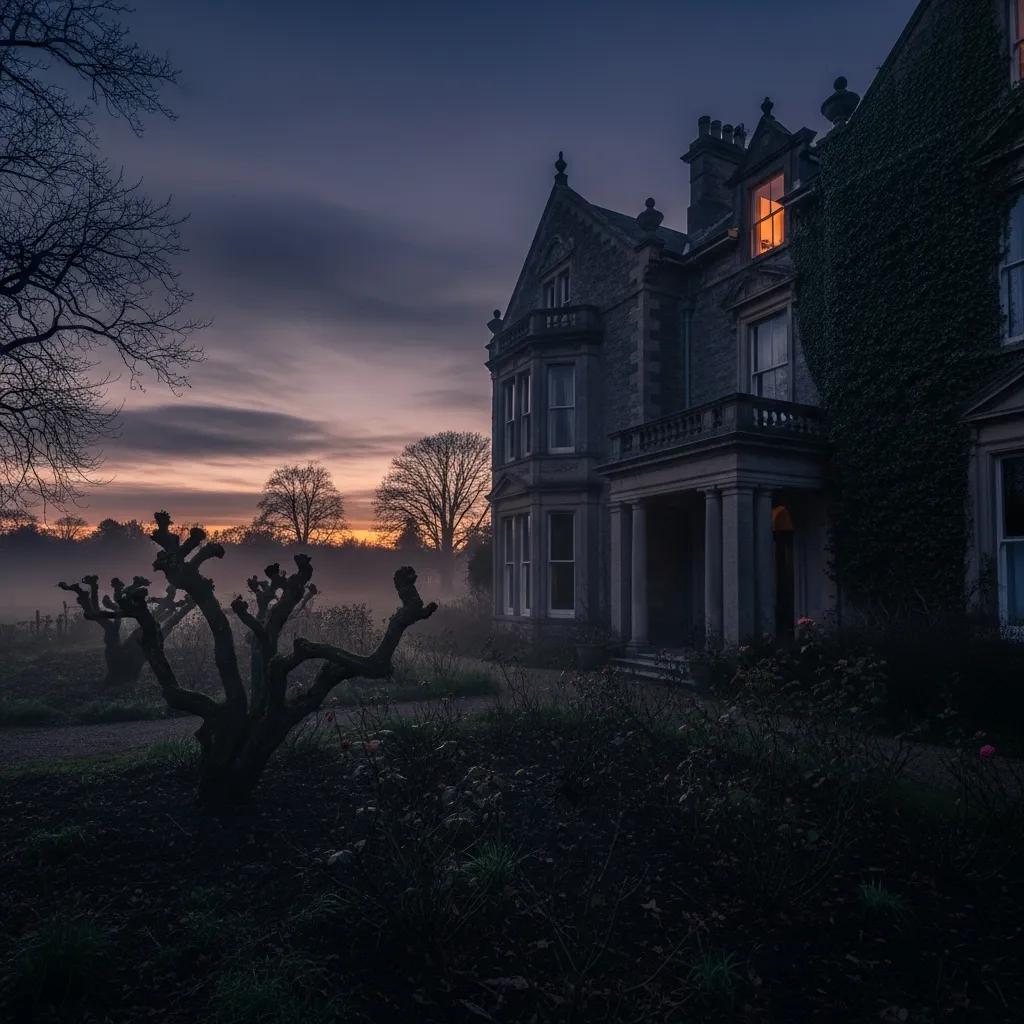
Brighton’s best-known haunted locations mix old houses, town lanes, pubs and cemeteries — places that repeatedly appear in eyewitness reports and local coverage. These spots gain reputations because similar phenomena show up again and again: apparitions, sudden cold spots, unexplained noises and objects moving without an obvious cause. To separate folklore from recurring claims we focus on verifiable venues, which is why Preston Manor, The Lanes, Churchill Square, The Cricketers and the Brighton Extra Mural Cemetery turn up most often. Below is a quick list of highlights and a table to help plan visits.
Brighton’s top haunted venues at a glance:
- Preston Manor: A historic house associated with the White Lady and frequent sightings.
- The Lanes: Narrow streets where shopfronts and alleys carry long-standing ghost stories.
- Churchill Square: A busy urban area with reports of odd noises and shadowy figures nearby.
- The Cricketers: A pub often mentioned in local accounts of unexplained activity.
- Brighton Extra Mural Cemetery: A Victorian cemetery noted for atmospheric sightings and eerie calm.
These short notes introduce each place; the following sections add historical context and venue-specific detail so you know what to expect and why these sites draw attention.
Which Historic Locations Are Known for Paranormal Activity?
Long-lived houses and public spaces attract hauntings because their history gives stories something to hang on to. Preston Manor is a focal point in Brighton lore — stories of a Lady in White recur in particular rooms and corridors, and the house’s preserved interiors make those accounts vivid. The Royal Pavilion area and nearby terraces collect anecdotal memories tied to Brighton’s Regency past, while the Extra Mural Cemetery — with its Victorian tombs, overgrown paths and hushed evenings — is a setting where witnesses frequently report shadowy figures and a heavy sense of presence, primarily through anecdotal accounts and local folklore rather than official documentation. These historic anchors feed pub tales and alleyway narratives, which we cover next.
This table summarises key venues and the sorts of reports recorded, helping you prioritise visits depending on what you want to see or research.
What Haunted Pubs in Brighton Have the Most Ghost Sightings?
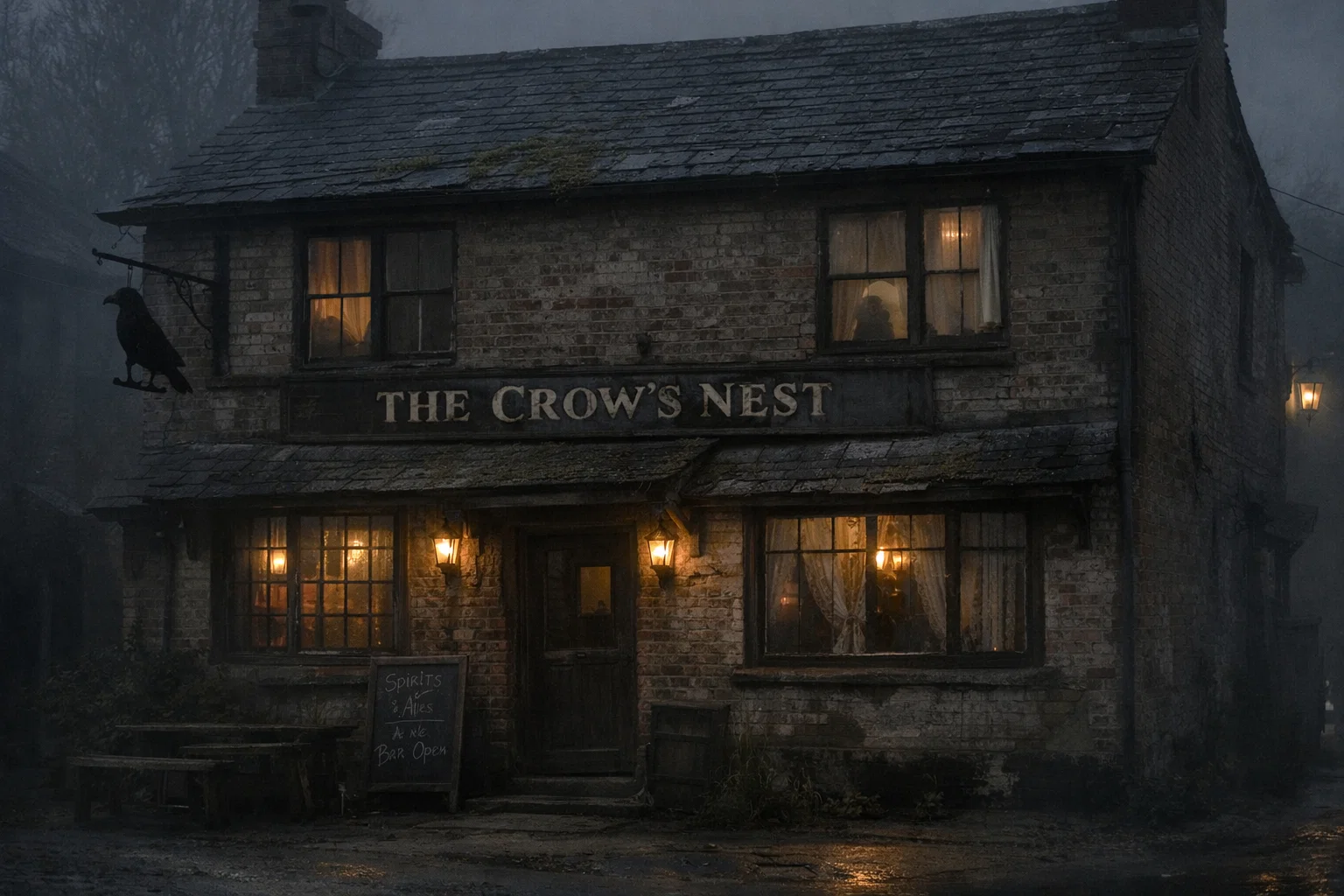
Pubs are natural containers for local memory: cellars, timber frames and decades of stories build up a shared oral history among staff and customers. The Cricketers and The Actors (formerly The Marlborough Pub & Theatre) are often named in local retellings and tour routes because witnesses report steps when rooms are empty, stray voices, or objects moving without an obvious cause. Busy evenings can mask oddities, while quieter off-peak times let visitors notice small things; staff lore is often as revealing as visitor testimony. When planning a pub visit, check for theatre nights or heritage events that sometimes include retellings of a venue’s hauntings.
- Pub atmosphere matters: low light and late hours heighten the uncanny.
- Ask staff: long-serving staff can share consistent anecdotes.
- Try different times: midday and evening visits often feel very different.
Understanding pub reports leads into the city’s named ghosts and local legends, which we outline below.
What Are the Famous Ghost Stories and Legends of Brighton?
Brighton’s ghost stories weave named figures and recurring motifs into the city’s past, keeping people and places connected through narrative. Well-known legends — Black Belly (sometimes called Angry Mick), the Hangman of Hangleton, the Blue Nun, and the White Lady of Preston Manor — tie broader local history to distinct personae. Each tale mixes documented events, hearsay and later embellishment; their continued telling shapes Brighton’s cultural memory. Below we profile the main figures so you can see how names and places reinforce one another as stories move from private report to public tour.
These character-focused stories also prompt questions about origins and how tales travel — from newspapers and guidebooks to late-night pub chat and online pages.
Who Are the Notable Spirits and Figures in Brighton’s Hauntings?
Named spirits give a human face to anonymous phenomena and usually link to a place. Black Belly crops up in alley and pub accounts; the Hangman of Hangleton is a prominent local legend, often linked to a parish-level story about an execution and subsequent sightings, though direct historical documentation of a specific ‘hangman’ figure remains elusive; the Blue Nun and the White Lady act as archetypes connected to institutions or a manor house. Each profile lists the name, associated place and the kinds of sightings commonly reported — apparition, recurring sound or object movement — and notes whether any archival references lend them factual weight. These figures help guides structure walks and keep local storytelling traditions alive.
These short profiles show how named apparitions act as focal points for local interest and tour narratives.
What Are the Origins and Tales Behind Brighton’s Urban Legends?
Brighton’s urban legends usually start with a kernel of historical fact — an accident, a tragic death, an unusual local event — then spread through newspapers, word of mouth and tourism storytelling. Execution tales and domestic tragedies are often reshaped into haunting stories: the Hangman of Hangleton, a prominent local legend, likely grew from historical memories of a punitive act, while pub legends often crystallise from decades of staff and patron anecdotes. Transmission now includes online repositories and guidebooks, which both preserve and reshape tales. Knowing these origins helps separate romanticised retellings from events with documentary backing and sets realistic expectations for curious visitors.
Modern Urban Legends: The Case of Banksy’s Kissing Coppers
Beyond traditional ghost stories, Brighton is also home to modern urban legends and significant cultural landmarks that capture the city’s unique spirit. One such example is Banksy’s iconic mural, “Kissing Coppers,” which originally appeared on the wall of The Prince Albert Pub in 2004. Depicting two policemen in a passionate embrace, the artwork quickly became a symbol of Brighton’s liberal and artistic identity.
In 2014, the original mural was carefully removed from the pub wall and subsequently sold at auction in Miami for over half a million dollars. While the original is no longer in situ, its legacy lives on. A high-quality replica or tribute mural was promptly painted on the same spot at The Prince Albert Pub, ensuring that this powerful image continues to be a visible and celebrated part of Brighton’s street art scene and cultural memory. This act of preservation through replication highlights how contemporary art can become an enduring part of a city’s narrative, much like older folklore.
Those historical anchors lead directly to where you can hear these stories on a walk and how sites fold them into programming — topics we cover next.
Where Can You Experience Brighton Ghost Tours and Paranormal Activities?
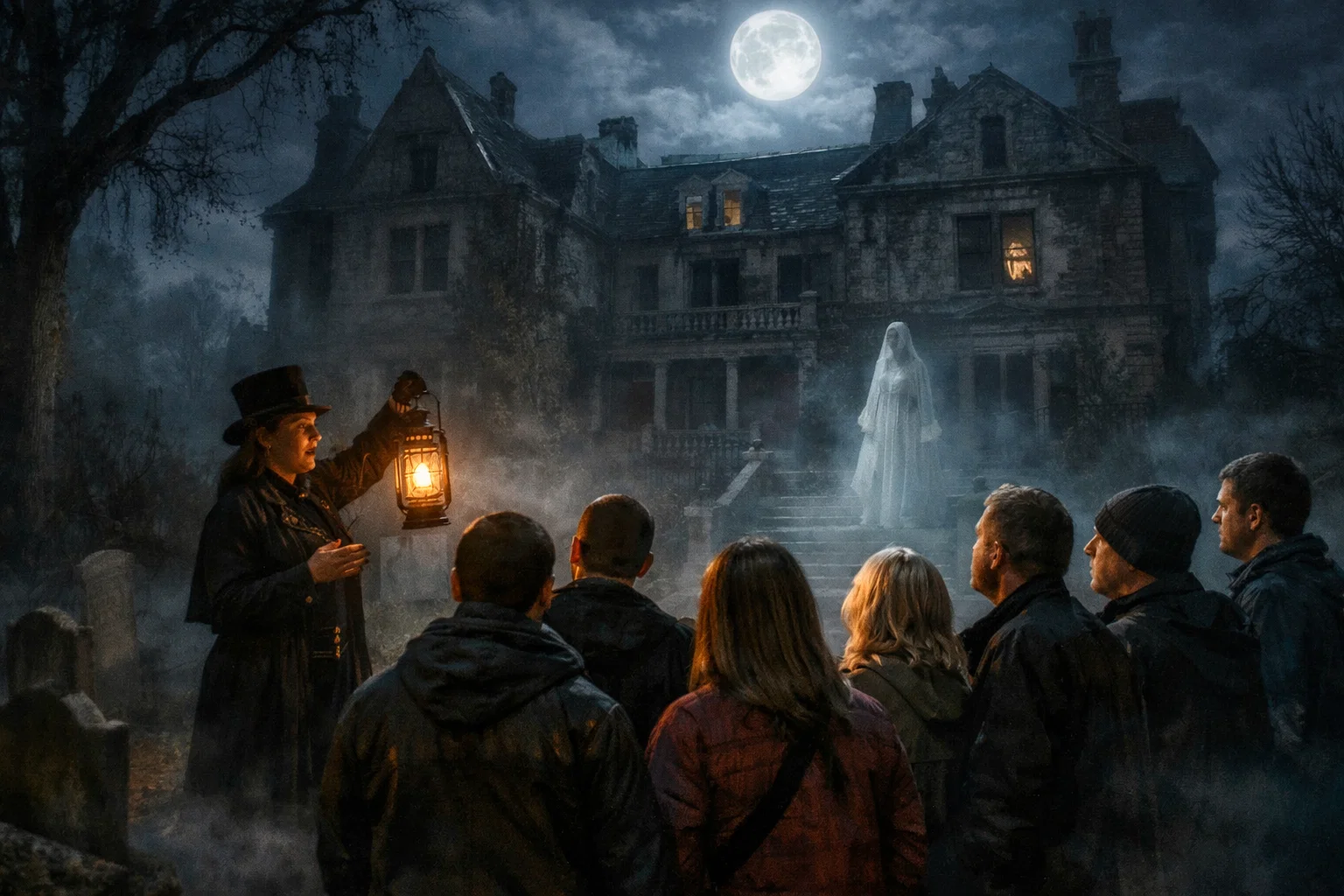
There are several ways to explore Brighton’s spooky side, from family-friendly storytelling walks to hands-on paranormal investigations for small groups. Guided historical ghost walks combine local history with stories and short stops in The Lanes, at pubs and around the Extra Mural Cemetery. Family-focused spooky tours dial down the fright and lean into storytelling and costumes. Investigation nights sometimes use basic kit for amateur research in venue-hosted events. Operators vary: some favour theatrical performance, others a documentary approach. Below is a concise comparison of tour types and an EAV-style table to help match your interests to the right format.
Common tour formats and what they include:
- Guided Historical Ghost Walks: Local history and haunting stories; 60–90 minutes; generally suitable for most ages.
- Family-friendly Spooky Tours: Shorter routes, gentler scares, emphasis on storytelling and costume.
- Paranormal Investigation Nights: Small groups, basic equipment, aimed at adults and keen hobbyists.
Each option fits different expectations; the table below summarises typical duration, suitability and booking checks.
Recommended resources and booking advice: Brighton Up Your Day runs a Haunted Brighton hub and linked topic pages that describe local operators and event types, making it easier to compare styles and dates. If you want curated alerts, sign up for our mailing list for occasional updates about new haunted-tour listings and venue-specific programming — handy for limited-capacity events and community investigations.
What Types of Ghost Walks and Tours Are Available in Brighton?
Tours tend to fall into clear formats for different audiences. Historical ghost walks blend archival detail with spooky anecdotes and suit visitors who want context and atmosphere; they usually last about an hour and move through The Lanes, civic squares and cemetery edges. Theatrical or storytelling walks bring in actors or immersive narration for a moodier experience, often ending in a pub or historic interior. Paranormal investigation nights are venue-based and run by smaller operators or community groups, using basic detection gear and focusing on firsthand observation. Pick a format based on whether you want authenticity, theatre or hands-on investigation.
- Historical walk: best for learning place-based context.
- Theatrical walk: best for immersive performance and atmosphere.
- Investigation: best for hands-on enthusiasts and research-minded visitors.
Next up: practical tips on choosing and booking the right event.
How to Choose and Book the Best Haunted Brighton Tours?
Start by deciding your aim — history, a mild fright or a hands-on investigation — then check operator transparency on format, group size and accessibility. Good operators list the walk length, meeting point and what’s included (indoor visits, pub stops, equipment). Look for clear refund or weather policies, read recent reviews and ask about age suitability and mobility needs. Our Haunted Brighton hub points to operator pages and community listings for current schedules; signing up to the mailing list is useful for early notice of special or limited-capacity walks.
- Check format and duration: Confirm whether the event is walking-based or venue-based and how long it runs.
- Verify suitability: Check age limits, mobility requirements and whether children are welcome.
- Confirm booking and cancellation policies: Know what happens in poor weather or last-minute changes.
Following this checklist helps ensure your chosen experience matches expectations and reduces last-minute friction on the night.
How Can You Plan Your Visit to Haunted Brighton?
Planning a visit to Brighton’s haunted spots means balancing atmosphere with common-sense safety and respect. Autumn and the weeks around Halloween are peak times for special programming and atmosphere, but quieter months give more reflective visits. Practicalities — transport, weather-appropriate clothing, a torch for evening walks, and awareness of private-property boundaries — matter. Our Haunted Brighton hub offers curated itineraries and event alerts; signing up to the mailing list gives you heads-up on responsibly run investigations and family-friendly options.
Before you set out, check opening times and whether a site needs pre-booking; dress for the weather and carry a small torch for after-dark routes. These simple steps keep your visit safe and respectful and tie into the timing and safety guidance below.
When Are the Best Times to Explore Haunted Locations and Attend Events?
Haunted programming peaks in autumn, especially around Halloween, when operators schedule themed walks and venue events. Evening visits heighten the atmosphere but need extra planning — some sites close after dark or require group bookings for off-hours access. Daytime is best for research and photos; night-time events are better for ambience and dramatic storytelling. Check local listings and consider weekday evenings for smaller crowds. These timing choices affect both safety and the kind of experience you’ll have.
This quick reference shows how timing shapes access and the quality of your haunted experience.
What Safety Tips and Visitor Information Should You Know?
Safe, respectful visits depend on sticking to public areas, wearing sensible clothes and travelling with others after dark. Never enter private property uninvited, keep to marked paths in cemeteries and historic grounds, and avoid going alone in isolated places. For paranormal investigation events, always follow the specific instructions of your guide or venue staff, as these often involve specialized equipment and protocols. Wear sturdy footwear for uneven surfaces, bring a torch for evening walks, keep a charged phone and tell someone your intended route if you’re heading to quieter spots. In an emergency contact local services rather than attempting risky investigation techniques. Above all, respect memorials and local residents — sensitive sites deserve decorum.
- Respect property and residents: do not trespass or disturb private spaces.
- Prepare for the environment: wear sturdy shoes and bring a light.
- Stay in groups after dark: avoid solitary exploration in isolated areas.
These dos and don’ts protect visitors and local communities while preserving the places that matter.
How Do Haunted Brighton Experiences Connect to Local History and Culture?
Haunted Brighton experiences are woven into the city’s cultural memory: they turn historical events — accidents, executions, urban change — into stories that keep past lives present. Tours and exhibits often combine archival research, oral history and dramatization to show how incidents became legends, while community groups and museums sometimes display artefacts that anchor those tales. This blend of folklore and public history supports a form of dark tourism that contributes to the local cultural economy but also raises ethical questions about commodifying tragedy. Knowing this helps visitors appreciate both the stories and the real histories behind them.
Where venues and communities engage with hauntings, programming usually balances entertainment with education; the next sections outline key historical incidents and how venues work with local groups.
What Historical Events and Figures Influence Brighton’s Haunted Reputation?
Many hauntings link back to verifiable incidents — accidents, solitary deaths and public punishments — that later became the kernel of local legend. Executions or harsh punishments in parish areas feed legends such as the Hangman of Hangleton; documented tragedies in houses or coastal accidents can lead to repeated ghost reports tied to rooms or shoreline ruins. Local archives and newspapers record some of these events, and researchers use those records to ground tours in fact. Recognising the factual base behind some legends gives a fuller, less sensational view when you visit associated sites.
Those historical anchors are why venues and communities create programming that both entertains and informs — the subject of the next subsection.
How Do Local Venues and Communities Engage with Paranormal Tourism?
Venues, museums and community groups take part in paranormal tourism by offering tours, themed nights and interpretive content that places hauntings within wider social history. Some venues host investigation evenings or storytelling sessions that invite local testimony, while museums may link objects to the stories around them. Community consultation and respectful programming are important to avoid exploitation; responsible operators and info hubs emphasise context and the dignity of places, especially cemeteries and memorials. When historians, community groups and tour providers collaborate, haunted tourism can support education, community memory and the local economy without sensationalising grief.
- Venue programming: often pairs stories with archival context.
- Community involvement: helps ensure respectful presentation.
- Responsible promotion: balances visitor interest with local sensitivities.
These practices show how hauntings can be part of local cultural life while respecting the past.
Frequently Asked Questions
What should I wear when visiting haunted sites in Brighton?
Dress for the weather and the ground. Sturdy, comfortable footwear is a must — many sites have uneven paving or cobbles. Layer up for chilly evenings and bring a small torch for after-dark walks. Practical clothing keeps you comfortable and lets you enjoy the atmosphere safely.
Are there any age restrictions for ghost tours in Brighton?
Age rules vary by tour. Family-friendly spooky walks welcome children and tone down scares, while investigation nights are usually aimed at adults or older teens because of the content and equipment. Check with the operator before booking if you plan to bring younger visitors.
How can I ensure a respectful visit to haunted sites?
Follow local guidelines, stick to public paths and never disturb memorials or graves. Keep noise to a minimum in cemeteries and historic places, and be mindful of residents and other visitors. Engaging with the history enhances your visit and shows respect for the locations involved.
What is the best way to learn about local ghost stories?
Guided ghost tours are a great starting point — they combine storytelling with historical context. Local libraries, museums and community events also hold resources and talks, and speaking to long-time residents or venue staff can uncover vivid first-hand accounts.
Are there any specific times of year that are better for ghost tours?
Autumn, especially around Halloween, is peak season for haunted events and themed walks. If you prefer fewer crowds, try weekday evenings or off-peak months for a quieter, more reflective experience.
Can I take photographs during ghost tours?
Photography rules differ by operator and venue. Outdoor shots are usually fine, but some historic buildings or memorial sites may restrict photography to protect the atmosphere and respect the place. Always ask your guide if you’re unsure, and be considerate of other visitors.
Conclusion
Exploring Brighton’s haunted side mixes history, folklore and a bit of theatre — and there’s something for everyone, from spine-tingling investigations to family-friendly storytelling. Use guided tours to learn the background behind the stories, follow our practical tips for a safe visit, and check Brighton Up Your Day’s Haunted Brighton hub for events and updates. Whether you want a chilling evening walk or a gentle taste of local legends, there’s a tour waiting to suit your mood. Sign up to our mailing list to be the first to hear about new listings and special events.