
Table of Contents
- Sustainability & Eco Groups in Brighton: A Friendly Guide to Green Living
- Who Are the Main Eco Groups and Environmental Organisations in Brighton?
- Where Can You Find Zero Waste Shops and Eco‑Friendly Businesses in Brighton?
- What Sustainable Activities and Eco‑Friendly Experiences Can You Do in Brighton?
- How Is Brighton Working Towards Carbon Neutrality and Sustainable Development?
- What Are the Best Sustainable Food and Ethical Shopping Options in Brighton?
- How Can You Volunteer and Support Brighton’s Green Initiatives?
- Conclusion
This blog post may contain affiliate links. As an Amazon Associate I earn from qualifying purchases.
Sustainability & Eco Groups in Brighton: A Friendly Guide to Green Living
Brighton sustainability mixes seaside conservation, neighbourhood action and everyday low‑waste living. Whether you live here or are visiting for the day, this guide points you to the people and places making a difference — from beach cleans and community gardens to refill shops and ethical cafes.
We’ll walk you through who’s involved, where to shop without packaging, the kinds of activities you can join, and how the city is progressing towards lower carbon living. If you want to get stuck in but aren’t sure where to begin, you’ll find practical steps, event checklists and local tips so you can turn up for a clean‑up, visit a refill store, or volunteer with confidence. Use Brighton Up Your Day as your local hub to find the latest events and listings.
Who Are the Main Eco Groups and Environmental Organisations in Brighton?
Brighton’s eco sector includes marine conservation teams, charities tackling waste, volunteers who care for parks and community gardens, and education projects that run events and outreach. These groups organise volunteer days, public workshops and local partnerships with the council to monitor wildlife, reduce litter and promote greener habits. Knowing the types of organisations active here helps you match your interests to the right activity, whether that’s a single beach clean or a regular gardening shift. The sections below explain which groups lead the work and how visitors and new residents can join short, low‑commitment events.
Which Local Eco Groups Lead Conservation and Sustainability Efforts?
Marine groups, waste‑reduction charities and green‑space forums often run Brighton’s conservation activities: surveys, clean‑ups, habitat restoration and community workshops. Many events welcome volunteers of all abilities, use simple sign‑up systems for one‑off sessions, and include brief safety or wildlife‑handling guidance. Knowing what each group focuses on makes it easier to choose where your time will have the most impact and prepares you for the next step — signing up and attending your first event.
How Can Tourists and Residents Get Involved with Brighton’s Environmental Groups?
Getting involved usually begins with checking event listings, following groups on social media, or signing up for single‑session volunteer events that don’t need much notice. Visitors can join a one‑off beach clean or a guided nature walk lasting a few hours; locals might choose regular evening or weekend garden shifts. Expect a short safety briefing, basic kit provided by organisers, and simple training on what to pick up or leave alone to protect wildlife. After your first event you’ll often get info about follow‑up tasks or regular roles, so staying involved is straightforward and friendly.
Where Can You Find Zero Waste Shops and Eco‑Friendly Businesses in Brighton?
Zero‑waste and eco businesses here include bulk‑refill grocers, package‑free lifestyle shops and cafes that favour reusable serviceware — all aiming to cut single‑use packaging. These shops form a local network offering refills, concentrated cleaners and plastic‑free toiletries. If you’re visiting, bring a couple of clean, sealable containers and a tote bag, and plan a short list of items to buy so you don’t overpack. Brighton Up Your Day is a handy place to find up‑to‑date listings and practical advice for package‑free shopping around the city.
What Are the Best Zero Waste Shops and Package‑Free Stores in Brighton?
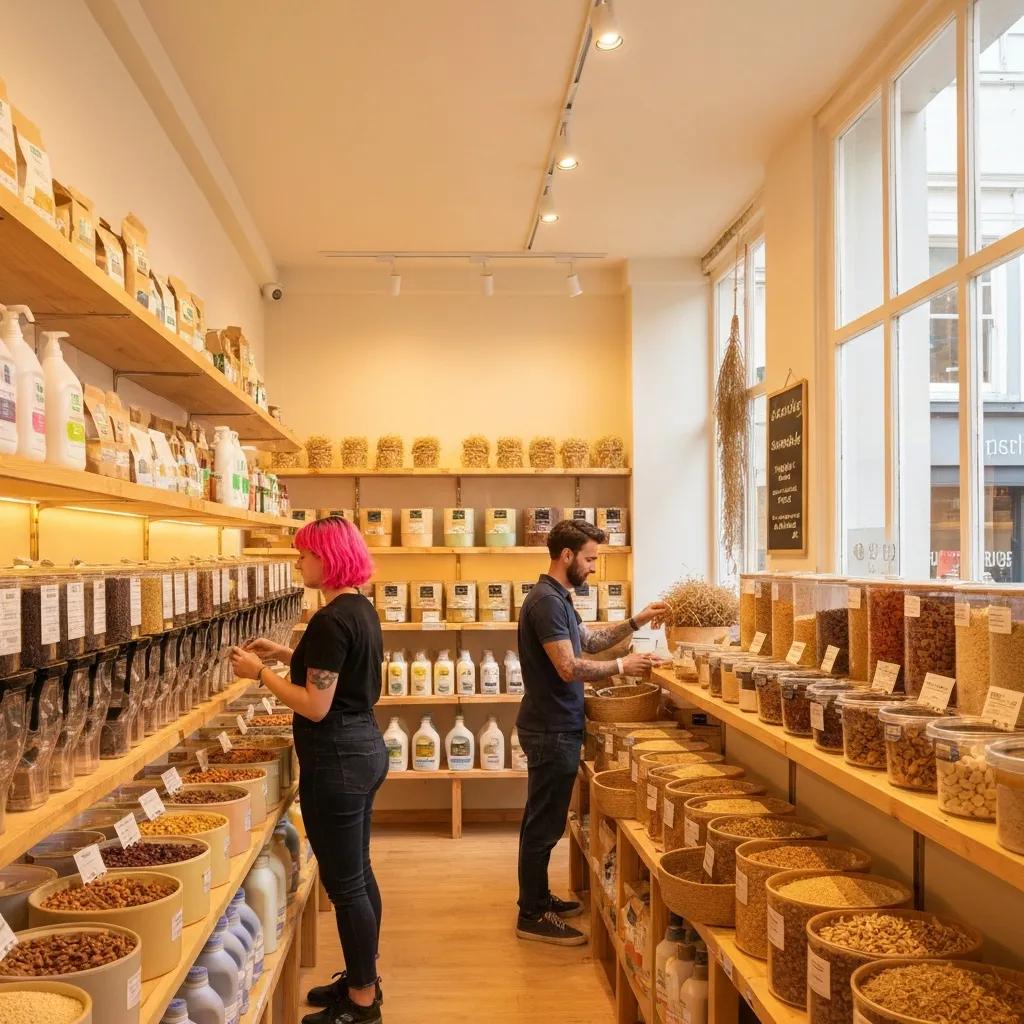
Package‑free shops and refill grocers sell bulk pantry staples, cleaning refills and plastic‑free homewares — you bring containers and fill what you need. These stores often sit near public transport and provide clear signage, scales and staff help for first‑timers. Check opening days and pack light jars or pouches to make a refill stop quick and easy during your stay.
Zero‑waste and refill shops in Brighton differ by focus and service level.
These categories make it easier to pick where to shop depending on whether you need pantry staples, personal‑care swaps or a low‑waste coffee on the go.
How Do Brighton’s Eco‑Friendly Cafés and Restaurants Support Sustainable Living?
Many Brighton cafes and restaurants back sustainable living with local sourcing, plant‑forward menus, minimal packaging and reusable‑service schemes that cut food miles and waste. You’ll find places offering discounts for reusable cups, composting scraps and favouring seasonal produce. To reduce your impact, choose plant‑based dishes, bring a reusable cup and ask for minimal packaging when taking food away — simple choices that support businesses doing the right thing.
What Sustainable Activities and Eco‑Friendly Experiences Can You Do in Brighton?
Brighton has plenty of sustainable experiences: guided nature walks, birdwatching in green spaces, beach clean‑ups and community gardening sessions. These activities connect you directly to conservation work and give practical ways to learn about local habitats while helping them thrive. Pick short options for a visit or longer commitments if you live locally — the subsections below explain popular activities and how marine conservation events are run so you can plan what suits you.
Which Eco‑Friendly Outdoor Activities and Green Spaces Are Popular in Brighton?
Popular low‑impact outdoor options include coastal walks, wildlife watching, community gardening and exploring urban green spaces that support both people and biodiversity. Many sites run guided walks or volunteer days focused on habitat restoration. You can join guided tours to learn about native species or use mapped routes for walking and cycling — both low‑carbon ways to see the area. Activities that prioritise observation and habitat protection help keep disturbance to a minimum and deepen appreciation for local nature.
The following activities are easy options for visitors and residents:
- Coastal and promenade walks for birdwatching and habitat spotting.
- Drop‑in sessions at community gardens.
- Low‑impact guided nature walks led by local educators.
Each option is accessible and helps you enjoy Brighton’s nature with a light footprint.
How Do Brighton’s Beach Clean‑ups and Marine Conservation Events Work?
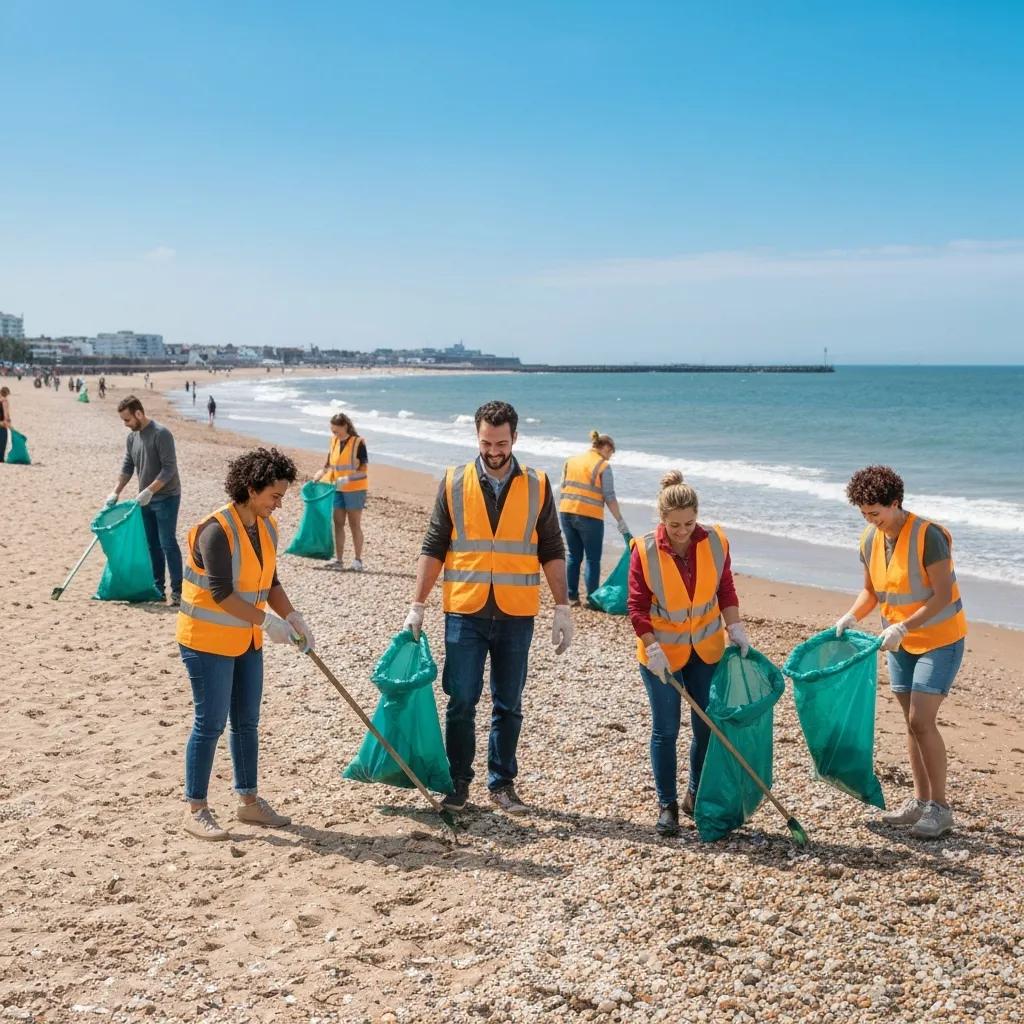
Most beach cleans follow a simple routine: organisers set a meeting point, give a short safety briefing, hand out gloves and bags, then teams collect litter along a set stretch for a set time. Events often include litter sorting and basic data recording to track types and amounts of rubbish, feeding into wider conservation efforts. Wear sensible shoes, bring water, and don’t touch hazardous items — organisers will tell you what to avoid and what to leave for specialists. That structure makes it easy for newcomers to join safely and ensure the clean‑up produces useful data.
How Is Brighton Working Towards Carbon Neutrality and Sustainable Development?
Brighton & Hove’s carbon‑neutral work focuses on cutting emissions from transport, buildings and waste, using local policy, partnerships and community projects to reach net‑zero goals. You’ll notice more support for walking, cycling and public transport, plus initiatives showing low‑carbon solutions for neighbourhoods. The sections below explain what the council’s pledge means in practical terms and highlight local projects helping the city meet its sustainability goals.
What Does Brighton & Hove City Council’s Carbon Neutral 2030 Pledge Mean for Residents and Visitors?
The council’s pledge aims to halve emissions and decarbonise transport and buildings by the target year, which brings more active‑travel routes, energy‑efficiency programmes and guidance for low‑impact events. Residents may see incentives for home improvements, better recycling and more support for community projects. Visitors will spot clearer pedestrian and cycle routes, easier low‑carbon travel choices and event organisers encouraged to adopt greener practices. These changes are intended to cut per‑person emissions while improving how the city feels and functions.
Which Local Projects and Partnerships Support Brighton’s Sustainability Goals?
Local goals are backed by partnerships between community groups, the council and civic programmes tackling habitat protection, food resilience and waste reduction. Projects include food‑redistribution schemes, collaborative habitat restoration and neighbourhood trials for low‑carbon solutions. These collaborations use local knowledge and volunteer networks to deliver measurable environmental benefits and practical engagement opportunities. Joining these projects brings both immediate conservation wins and longer‑term community skills.
What Are the Best Sustainable Food and Ethical Shopping Options in Brighton?
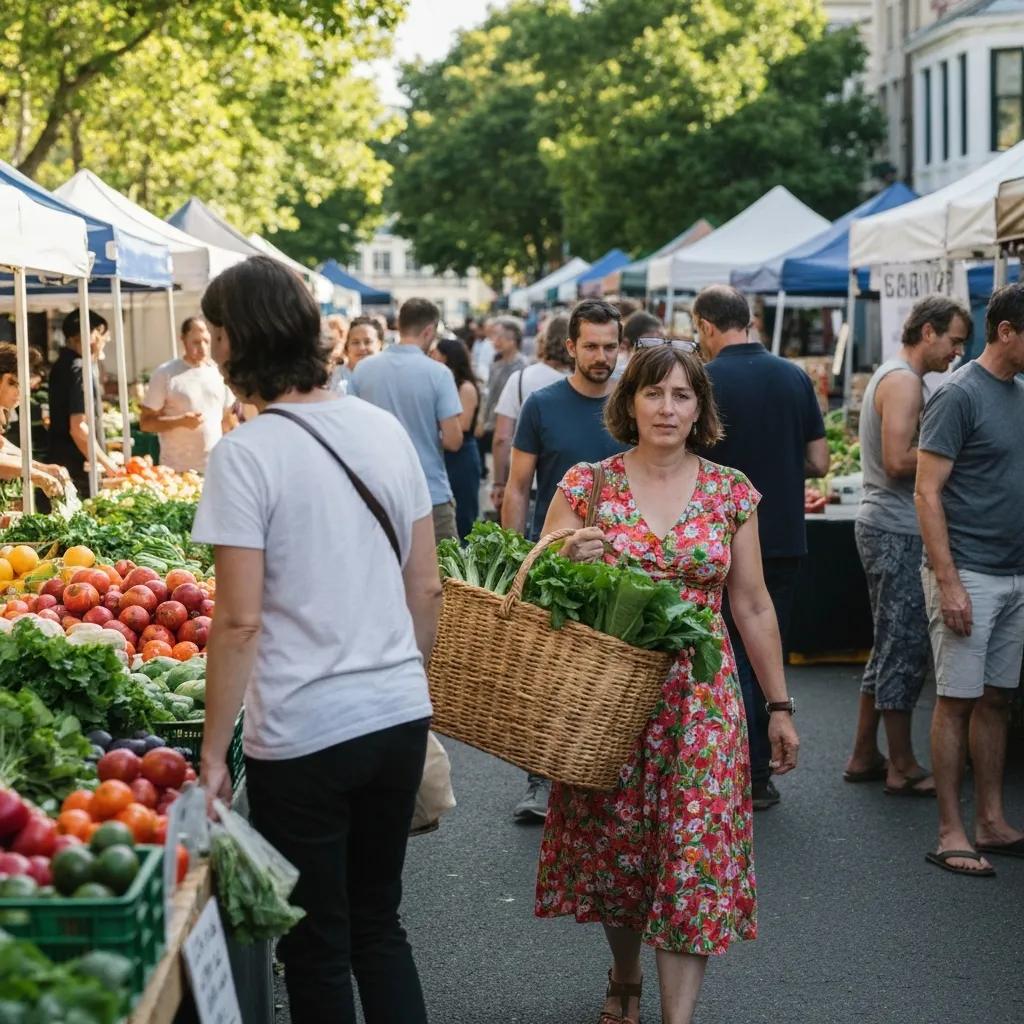
Brighton’s ethical food scene includes vegan restaurants, farmers’ markets, surplus‑food projects and shops that emphasise local sourcing and low packaging. These options promote seasonal eating, support nearby producers and often connect shoppers directly with growers at market stalls. When choosing where to eat or buy, look for venues that share sourcing info, run seasonal menus or take part in food‑rescue programmes. Brighton Up Your Day lists market days and sustainable outlets to help you plan ethical meals and shopping while you’re here.
Where Can You Find Vegan, Local, and Ethical Food in Brighton?
Vegan eateries, farmers’ markets and ethical grocers offer plant‑based and locally sourced choices that cut food‑system impacts and support local producers. Farmers’ markets run on set days and showcase seasonal crops from nearby growers; many vegan spots design menus to minimise waste and emissions. Check market timetables and plan visits to sample fresh, traceable food — it’s an easy way to eat more sustainably while enjoying Brighton’s food culture.
Compare sustainable food outlets by what they offer and why they’re green.
Use these comparisons to pick places that match your values while you explore Brighton’s food scene.
How Do Brighton’s Sustainable Food Awards Reflect Its Eco‑Friendly Commitment?
Sustainable food awards highlight venues and initiatives that show strong local sourcing, waste reduction and ethical buying — a helpful signal for diners choosing greener options. Award judges typically look at supply‑chain transparency, seasonal menus, waste practices and community engagement. For visitors, awards are an easy way to spot businesses recognised for consistent, sustainable work and to back places helping the city shift to lower‑impact food systems.
How Can You Volunteer and Support Brighton’s Green Initiatives?
There are many ways to help Brighton’s green projects: join a one‑off beach clean, sign up for regular garden shifts, offer skills‑based support for admin or help run food‑redistribution schemes. Volunteering delivers hands‑on conservation benefits, builds local connections and often suits visitors looking for single sessions. If you can’t volunteer, you can donate, share events on social media or shop from ethical businesses to support the movement. Brighton Up Your Day curates volunteer listings and practical sign‑up tips for both visitors and residents.
What Volunteer Opportunities Do Brighton’s Eco Groups Offer?
Common volunteer roles include beach and shoreline cleans, wildlife surveys, community gardening, event stewarding and awareness stalls. Groups usually offer flexible options: a single event of a few hours or regular weekly or monthly shifts that build skills. Volunteers get a short induction, safety guidance and basic equipment; organisers welcome people with physical, data‑collection or admin skills. These roles are designed to make a real contribution while fitting a range of schedules.
Typical volunteer activities you’ll find locally include:
- Beach cleans and marine debris monitoring to cut coastal pollution.
- Community gardening and habitat restoration to boost urban biodiversity.
- Food redistribution and surplus collection to reduce waste.
How Can You Participate in Community Environmental Projects and Events?
Find events by checking local calendars, following group social pages or using community info hubs. When signing up, note meeting points, suggested kit, transport and any registration needs — many events accept drop‑ins but appreciate pre‑registration for planning. Pack weather‑appropriate clothes, gloves, a refillable water bottle and any documents you may need for longer commitments. Being prepared helps everyone have a productive, positive experience and increases the chance you’ll want to come back.
These organisation types cover a wide range of activities and ways to get involved, so you can pick something that fits your skills and time.
If you want to support without volunteering, try these practical options:
- Donate to community projects or local fundraisers to buy tools, plants and outreach resources.
- Share events and campaigns on social media to boost participation and awareness.
- Buy from ethical and zero‑waste businesses to give them economic support and help normalise greener choices.
Frequently Asked Questions
What types of eco‑friendly activities are available for families in Brighton?
There are plenty of family‑friendly options: guided nature walks, beach cleans and community garden sessions designed for all ages. Many groups include educational activities that introduce kids to local wildlife and conservation in a fun, hands‑on way. Check event listings for sessions that specifically welcome children and families.
How can I support local eco initiatives without volunteering?
If you can’t volunteer, you can still help. Donate to environmental groups, take part in fundraising events, promote activities on social media, shop at zero‑waste stores and attend workshops. Each of these actions supports local projects and spreads the word about sustainable living.
What are the best practices for reducing waste while visiting Brighton?
Bring reusable items — a water bottle, shopping bag and food container. Try package‑free shops and choose eateries that use minimal packaging. Order only what you’ll eat and look out for food‑rescue or surplus‑food options. Small changes make a big difference over a short trip.
Are there any eco‑friendly transportation options in Brighton?
Yes — Brighton is well served by buses and trains, and cycling is popular with rental options available. The city has many walking routes and cycle lanes, making low‑carbon travel simple and enjoyable. Opt for public transport, walking or cycling where you can.
How can I engage with Brighton’s sustainability community online?
Follow local groups and organisations on social media to see events and volunteer opportunities. Join local forums or community pages, and subscribe to newsletters from environmental groups to stay informed and connected, even from afar.
What role do local businesses play in Brighton’s sustainability efforts?
Local businesses are a big part of Brighton’s green shift. Many choose local, seasonal suppliers, cut packaging and run recycling or composting schemes. When businesses take part in sustainability awards or initiatives, it helps set higher standards across the city. Supporting these places keeps the local green economy growing.
Conclusion

Getting involved in Brighton’s eco scene builds community and delivers real environmental benefits. Whether you join a one‑off clean, volunteer regularly, shop package‑free or simply choose a plant‑based meal, your actions matter. Explore volunteer opportunities and sustainable shops while you’re here, and use Brighton Up Your Day to find current events and practical tips to help the city thrive.