

Table of Contents
- Brighton Comedy Clubs & Open Mic Nights: Your Friendly Guide to Stand-Up and Live Comedy
- What are the best comedy clubs in Brighton for live stand-up?
- Where and when can you attend open mic comedy nights in Brighton?
- Which Brighton comedy events and festivals should you not miss?
- How can aspiring comedians get started in Brighton’s scene?
- Frequently Asked Questions
- Conclusion
This blog post may contain affiliate links. As an Amazon Associate I earn from qualifying purchases.
Brighton Comedy Clubs & Open Mic Nights: Your Friendly Guide to Stand-Up and Live Comedy
Brighton’s comedy scene offers a lively mix of seaside energy, quirky crowds, and a steady stream of stand-up, open mics, and festival showcases. This guide will help you discover where to watch great sets, which venues host headline or new-material nights, how open-mic evenings work, and what to expect at the city’s larger comedy festivals.
Whether you’re planning a night out or considering getting on stage, we’ve packed practical tips for both audiences and first-time performers. This includes venue comparisons, a compact open-mic schedule, festival timing, step-by-step advice for newcomers, and the best ways to keep tabs on listings. Throughout, you’ll find local insight, simple checklists, and our top picks to help you choose the right night and make the most of Brighton’s comedy calendar.
What are the best comedy clubs in Brighton for live stand-up?
Brighton offers everything from intimate club rooms to larger theatre stages, with different venues typically favouring particular night formats such as headline bills, new-material showcases, or festival specials. Understanding a venue’s typical format and vibe makes it easier to choose a night that aligns with your idea of a good show. Below, we outline the main places that regularly host stand-up and what to expect at each, helping you decide based on price, accessibility, and atmosphere before you book.
Different venues suit different tastes and needs:
- Komedia typically runs mixed bills and headline evenings, appealing to a broad crowd seeking polished performances.
- The Secret Comedy Club offers intimate, club-style nights where you’re close to the action.
- The Forge Comedy Club often focuses on emerging talent and new material nights, ideal if you enjoy discovering future stars.
Use this quick comparison to decide which venue fits your evening, and to know whether you should book, arrive early, or expect a standing-room vibe.
Which venues host the top stand-up nights in Brighton?
Brighton’s stand-up calendar revolves around a handful of established venues that host weekly or regular nights, mixing headline shows with newcomer showcases and special events. Some nights are ticketed headline affairs; others favour fresh material or experimental sets. Practical details — such as seated versus cabaret layout, typical audience size, and whether to book ahead — will shape your night out. Allow yourself time to grab a drink and settle in; it usually makes the evening more enjoyable.
Picking the right venue is the first step; the next is matching the night type to the atmosphere you want, which is particularly useful if it’s your first visit.
What makes The Secret Comedy Club, Komedia and The Forge unique?
Each of Brighton’s flagship venues offers a distinct personality. The Secret Comedy Club is known for its intimate, club atmosphere and immediate audience interaction, making it ideal for an immersive night. Komedia offers larger, mixed-arts programming with headline draws and comfortable seating for a more polished experience. The Forge tends to spotlight up-and-coming comics and new material nights, perfect if you enjoy spotting future favourites. Your choice comes down to whether you prefer intimate club energy, broader mixed-arts programming, or discovery-focused newcomer nights — and whether you’re happy standing or prefer reserved seats.
Where and when can you attend open mic comedy nights in Brighton?
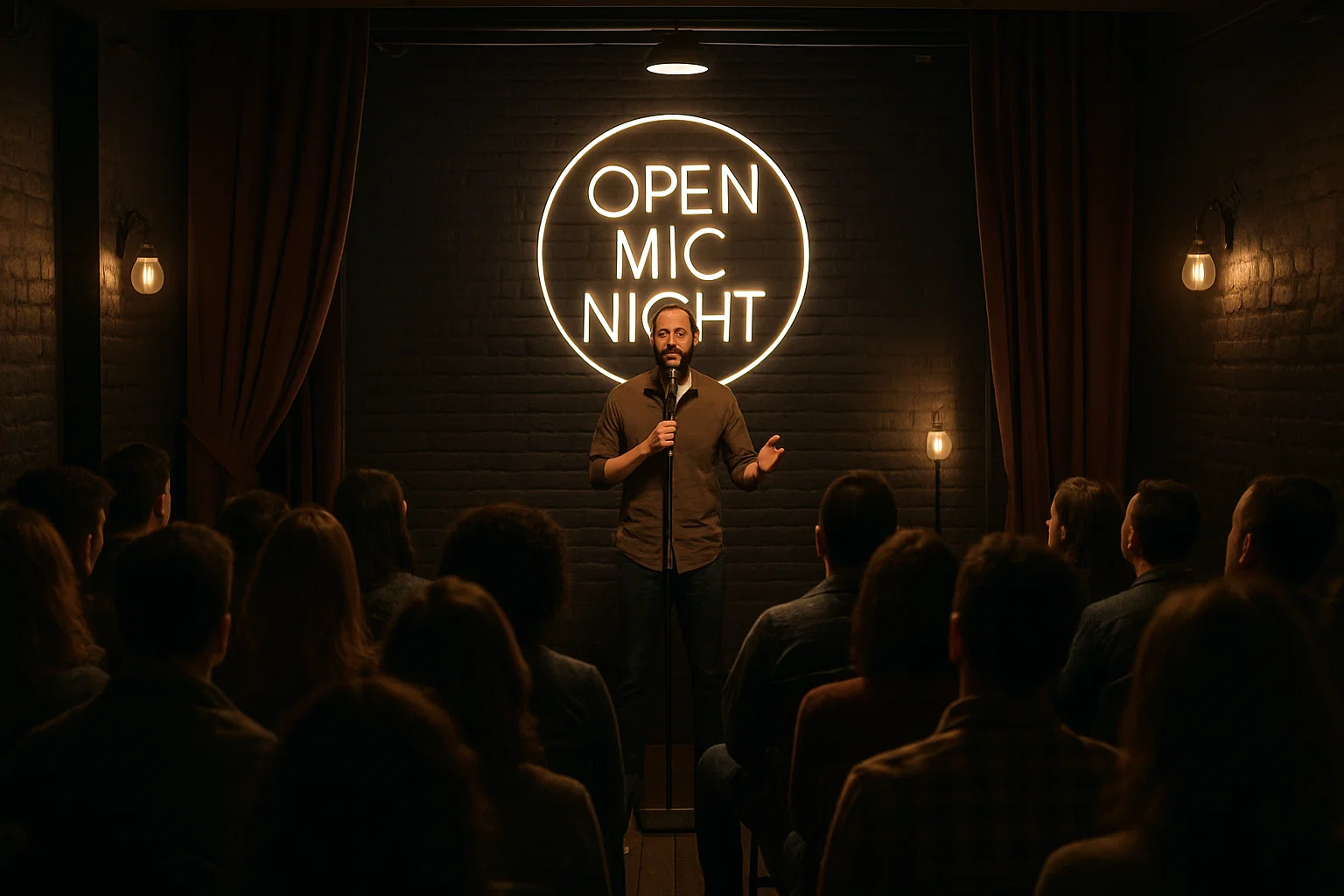
Open mics take place across pubs, club rooms, and community spaces on weeknights and weekends, offering regular chances for newcomers and returners to try short sets — and for audiences to enjoy varied, often unpredictable line-ups. Most nights operate a sign-up system run by the host (either on arrival or via a venue list) and limit sets to around three to five minutes for newcomers, with slightly longer slots for regulars. Open mics are excellent for practising material, getting immediate feedback, and meeting other local comics — and they make for a cheap, fun night out for anyone who enjoys variety. Below is a compact, schedule-style overview of common open mic nights, their usual times, and who they suit best.
Typical open mics and what to expect:
- Tuesday pub open mic: A friendly mix of beginners and hobbyists, with sign-up on arrival.
- Wednesday club host night: More structured, offering slightly longer slots and a host managing the list.
- Sunday variety open mic: Laid-back, welcoming experimental material and improv crossovers.
Keep this table handy when planning a night out or choosing a place to try your set for the first time.
What are the most popular open mic venues and nights in Brighton?
The city’s busiest open mics are typically found in pubs and small club rooms where hosts cultivate a regular roster and a strong community feel. Popular nights are predictable in format — whether they favour quick new material, invited guests, or a supportive room for total beginners — and attract a mix of locals and visitors. Arrive early to sign up, watch a full set or two to gauge the room, and keep your first material tight. Venues that also serve as social hubs often provide post-show time to exchange feedback and learn about upcoming showcases.
Knowing whether a night is beginner-friendly or competitive helps performers pick the right place to develop and gives audiences a clearer idea of the kind of show to expect.
How do you sign up and perform at Brighton open mic nights?
Signing up usually involves adding your name to the host’s list at the venue and being ready when called — most nights enforce strict time limits to keep the show flowing. Prepare a tight opening, use a clear joke structure, and have reliable material that fits a three- to five-minute slot for your first time; experienced performers may aim for six to eight minutes where permitted. On stage, listen for cues, keep transitions smooth, and never use another performer’s material. After your set, thank the host and ask for brief feedback to build connections. A short, polite sign-up will get you on the list without fuss.
Below is a simple checklist to help newcomers get stage-ready.
- Before you arrive, rehearse a tight three-minute set with two or three strong bits.
- At the venue, calmly introduce yourself to the host and add your name to the list.
- On stage, open with your strongest joke, keep the pace steady, and respect the time limit.
- After your set, thank the host, ask for quick feedback, and chat with other performers to build connections.
Stick to these steps to boost confidence, turn open-mic appearances into repeat bookings, and grow your local profile.
Which Brighton comedy events and festivals should you not miss?
Brighton hosts recurring comedy festivals and special showcases that pack diverse line-ups into busy programme windows — featuring headline acts, fringe shows, and curated seasons that attract both visiting talent and local favourites. Festival dates usually align with the city’s cultural calendar and often span multiple venues, so it pays to plan tickets and avoid clashes. Knowing whether a festival leans towards big headline slots or fringe newcomer showcases helps you decide what to book in advance. Use the compact festival table below as a quick reference for typical dates, key venues, and the kinds of shows you’ll find.
Festivals are often the best time to catch headline draws alongside experimental one-offs you won’t see in the regular weekly listings.
This snapshot helps visitors and locals decide when to plan a comedy-focused visit and which shows to prioritise across overlapping programmes.
When are the Brighton Dome Comedy Festival and Brighton Fringe events held?
Major comedy festivals in Brighton typically occur during established cultural windows, mixing headline performances with fringe shows across several venues. Festival line-ups are usually announced in advance, so buy tickets early for headline shows to avoid sell-outs; smaller fringe shows sometimes allow walk-ups but can fill up fast. Visitors should map key show dates to accommodation and travel; locals can use festival schedules to choose between headline draws and late-night fringe discoveries. Tracking festival calendars and subscribing to local roundups will flag priority releases and special offers as they appear.
Next, we cover how to choose the types of festival shows that match your interests and budget.
Which comedians and shows feature at Brighton’s major comedy festivals?
Festival programmes in Brighton feature a mix of big names, established acts, and up-and-coming comedians. You can choose between polished, hour-long theatre shows or shorter, experimental fringe pieces testing new material. Headline slots usually mean fully formed hour shows; fringe strands lean towards themed showcases, short runs, and debut performances. A good festival strategy is to balance a headline must-see with a few low-cost fringe discoveries, ensuring you get both the reliable and the unexpected without blowing your budget.
Understanding these categories helps you build an itinerary that mixes crowd-pleasers with new voices.
How can aspiring comedians get started in Brighton’s scene?
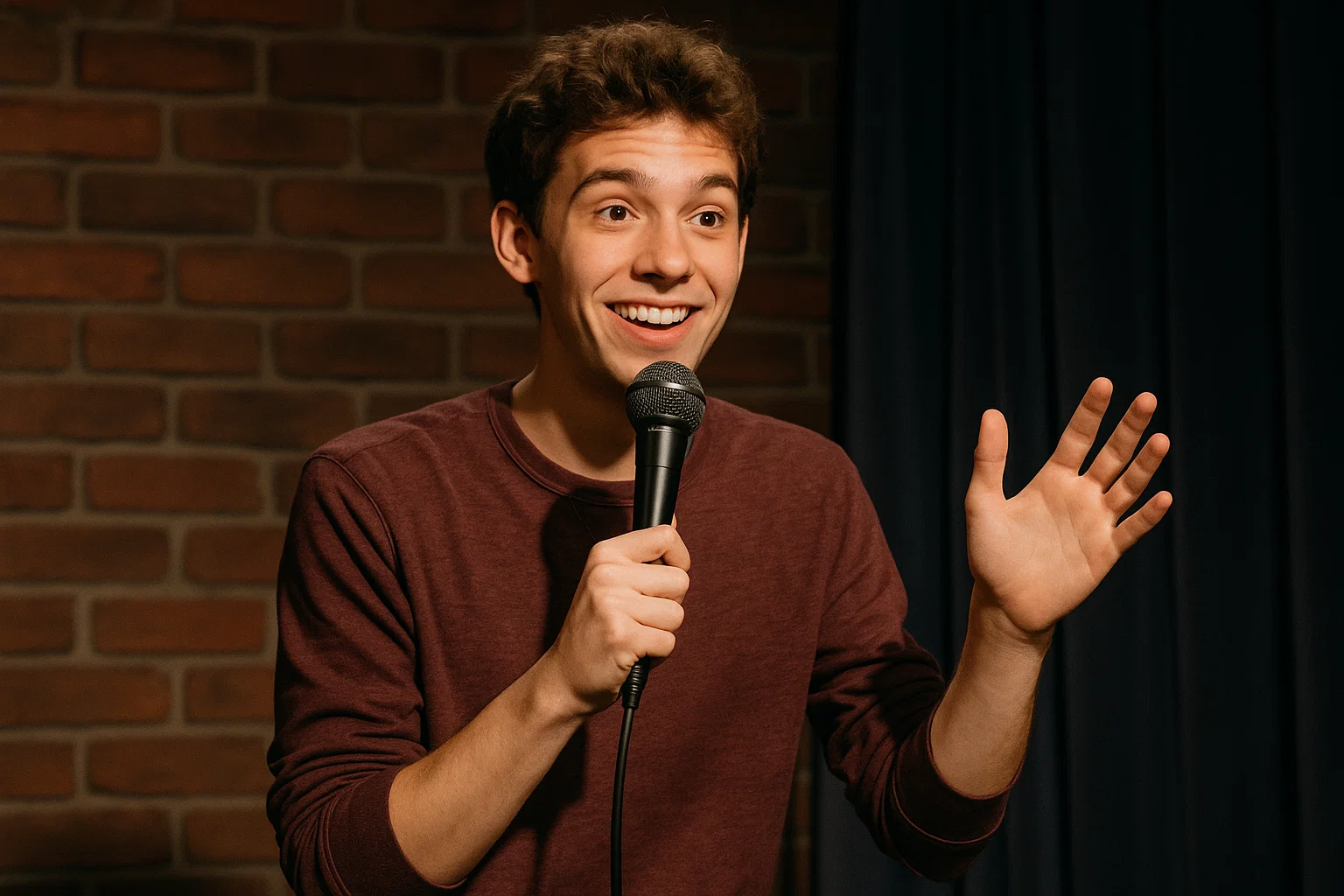
Brighton offers clear entry points for new comedians: regular open mics, short workshops, and community meetups where beginners can practise and get feedback. Start by observing nights to learn room dynamics, rehearse a concise set, sign up for suitable open mics, and welcome peer feedback — these steps lay the groundwork for paid spots and festival entries. Workshops cover joke writing, route-to-stage technique, and stagecraft, while community groups share audition notices and co-writing opportunities. Combining regular stage time with targeted workshops speeds improvement and increases booking opportunities.
Brighton Up Your Day curates workshop lists and community resources for different experience levels. Our newsletter also sends timely open-mic callouts and workshop dates. This curated approach helps you choose the right training and discover new opportunities through weekly roundups and community announcements.
- Choose workshops that prioritise live practice and feedback over lecture-only sessions.
- Pair learning with stage time — aim for at least one open-mic slot a month to apply what you learn.
- Join local groups to receive sign-up calls, collaboration offers, and peer critique that speeds progress.
- Focus on steady, regular practice rather than occasional marathon sessions for better long-term growth.
Top tips for new performers at Brighton open mics
Stick to material that lands quickly, build a clear opening, and create a tight structure that moves from setup to payoff to a memorable closer. Arrive early to sign up, watch the host and a few sets to gauge the room, and keep tech simple — avoiding lengthy prop setups. Good on-stage etiquette — respecting other performers, staying within time limits, and following host cues — earns you goodwill and return invites. After your set, do a quick bit of networking and ask for concise feedback to build relationships and potential co-billing opportunities.
Where can you find local comedy workshops and community resources?
Local workshops range from short writing clinics and improv tasters to ongoing stand-up classes and peer-led critique groups, covering different goals and budgets. Look for courses that focus on joke structure, crowd work, and stage presence for practical gains; community groups and meetups offer ongoing support, sign-up alerts, and collaboration opportunities. Many sessions are drop-in or short courses, so beginners can try them without long commitments. Keep an eye on community noticeboards and local roundups to find sessions that match your growth plan.
Next steps: pick a workshop that emphasises live practice, pair it with regular open-mic slots, and build a small group of peers for feedback and booking leads.
What do locals and visitors say about Brighton’s comedy clubs and open mics?
Feedback about Brighton venues often highlights atmosphere, variety, and accessibility. Small club rooms receive praise for intimacy and a direct performer-audience connection; larger venues score points for production polish and headline line-ups. Recurring comments note the strong variety on mixed bills, supportive pub crowds at certain open mics, and the value of arriving early to secure good seats. Ticket pricing varies by format — theatre headline shows cost more but typically offer a more predictable, polished experience. Knowing these common impressions helps you choose the right venue and avoid a mismatched night out.
Comparing venues makes the trade-offs between intimacy and spectacle clear, so you can choose nights that suit your mood, budget, and comedy taste.
Which comedy clubs get the best audience and critic reviews?
Clubs with consistent line-ups, clear seating, and decent sound receive the best audience feedback; cramped rooms or poor acoustics draw mixed reviews. Audiences praise hosts who keep the show moving and rooms that welcome newcomers without hostility. Critics focus on programming diversity and the balance between headline bookings and local talent. When choosing a club, check whether it’s a headline night or a new-material evening — that usually indicates how polished the show will be.
Use reviews to guide your venue choices based on production quality, performer level, and the crowd you want to be part of.
How do comedy experiences differ between venues and events?
Venues vary by scale, format, and audience expectations: small club rooms favour interactive sets and instant energy; theatre venues offer structured seating and polished headline shows; and festivals mix both across many locations. Open mics prioritise variety and discovery with short sets and a community feel, while headline nights are curated hour shows with higher production values. Pricing also differs — some nights are free or low-cost, while headline shows usually require advance tickets. Tourists looking for a memorable night might pick a headline show; locals who enjoy discovery will favour club rooms and fringe programmes.
Understanding these differences helps you choose the right venue and event format for a great night out or a strategic performance slot.
How can you stay updated on Brighton comedy shows and open mic schedules?
To keep up with Brighton’s comedy calendar, follow a mix of official venue listings, local roundups, and aggregator feeds — that way you’ll catch both ticketed headline shows and last-minute open-mic posts. Official channels are best for headline announcements; community newsletters and social feeds often surface ad-hoc open-mic calls and workshop dates. Set calendar alerts, subscribe to a weekly local roundup, and join community groups to hear about sign-ups and festival drops. Brighton Up Your Day curates event listings and a weekly open-mic roundup you can subscribe to for concise schedule updates and insider tips on hidden nights and venue quirks.
- Official venue listings: Best for ticketed headline shows and venue rules.
- Local roundups and newsletters: Great for weekly digests, sign-up calls, and workshop news.
- Community groups and forums: Useful for peer tips and ad-hoc open-mic alerts.
Subscribing to curated roundups and selective venue alerts balances advance planning with last-minute opportunities, while keeping inbox clutter down.
Brighton Up Your Day’s newsletter serves up local insight, curated event highlights, and an open-mic roundup to keep both audiences and performers in the loop. Sign up for concise weekly updates and occasional guides to hidden-gem nights and venue tips.
Frequently Asked Questions
What is the typical duration of a comedy set at open mic nights?
Most open mics in Brighton give newcomers about three to five minutes. More experienced performers may get slightly longer slots — often up to eight minutes — depending on the venue. These limits help keep the show moving and give more comics a chance to perform.
How can I prepare for my first performance at an open mic night?
Write a tight set with your strongest jokes — two to three solid bits is a good target. Rehearse until your timings feel natural, arrive early to sign up and familiarise yourself with the room, and remember to engage with the audience. Staying relaxed and enjoying the experience helps your delivery.
Are there any specific etiquette rules to follow during open mic nights?
Yes. Respect the host’s time limits, listen to other performers, and avoid talking during sets. After your performance, thank the host and welcome constructive feedback from fellow comics. A supportive atmosphere benefits everyone.
What should I expect from the audience at open mic nights?
Audiences vary, but many are fellow comedians, friends, or locals who enjoy live comedy. Expect laughter, applause, and sometimes honest feedback. Reactions can be unpredictable — that’s part of the live-comedy experience — so treat each set as useful practice.
How do I choose the right open mic night for my style of comedy?
Consider the venue’s vibe, typical audience, and format. Some nights are more experimental, others stick to classic stand-up. Attend a few nights as an audience member, chat to other comics, and pick the nights that fit your material and comfort level.
What resources are available for new comedians in Brighton?
There are workshops on joke writing, stagecraft, and crowd work, plus peer-led critique groups and community meetups. Online groups and local noticeboards also list open mics and workshops. Utilising these resources will speed up your development and help you find stage opportunities.
Can I perform at multiple open mic nights in one night?
Often you can, provided you manage the travel and timing. Many venues run open mics on the same evenings, so plan routes between venues and watch for overlapping set times. A bit of planning can maximise your chances for more stage time in one evening.
Conclusion

Brighton’s comedy scene mixes intimate club nights and polished productions, with plenty in between — offering something for audiences and aspiring performers alike. Explore the city’s venues and festivals, try workshops and open mics to sharpen your skills, and plug into local roundups to stay on top of listings. Do that, and you won’t miss the laughter, discovery, and creative buzz that make Brighton’s comedy nights so special.
If you’re interested in more Brighton nightlife and live entertainment options, you’ll surely enjoy our blogs on the following…