
Table of Contents
- After School Clubs in Brighton: Your Local Guide to Kids’ Enrichment & Fun
- What after-school clubs and learning activities are available in Brighton?
- How do STEM workshops and clubs benefit children in Brighton?
- What creative arts and music classes are available for kids after school in Brighton?
- Which sports and outdoor activities are offered in Brighton after-school clubs?
- How can parents choose the right after-school club for their child in Brighton?
- What practical information do parents need about Brighton after-school clubs?
- What are the most common questions about after-school clubs in Brighton?
- Conclusion
This blog post may contain affiliate links. As an Amazon Associate I earn from qualifying purchases.

After School Clubs in Brighton: Your Local Guide to Kids’ Enrichment & Fun
Brighton has a busy after-school scene full of chances for children to try new things, make friends and grow their confidence beyond the classroom. This guide explains what after-school clubs are, why they matter, and how parents and carers can find, compare and book activities across the city.
Whether you’re searching for STEM sessions, creative arts, sports or budget-friendly options, this article maps the choices, the benefits and the practical next steps. Inside you’ll find a catalogue of common club types, a clear look at STEM benefits, creative and music options, sports offerings, a simple booking checklist and answers to parents’ top questions. We use local insight and verification best practice to help you make informed choices for your child in Brighton.
What after-school clubs and learning activities are available in Brighton?
After-school clubs around Brighton cover a wide range of enrichment that complements school learning and social development. You’ll find STEM-focused sessions, creative arts and music tuition, sports and outdoor programmes, academic support and holiday clubs — each one builds different skills and usually runs from community centres, schools and specialist venues. Brighton Up Your Day curates local information and flags verified listings where possible, so parents can scan options quickly without starting from scratch. Below we list common club categories, where they typically run and a short comparison table for easy browsing.
Which types of after-school clubs can children join in Brighton?
Families in Brighton can choose from clubs that vary by focus and age. Coding and robotics groups introduce programming through playful projects and simple hardware suitable for primary and secondary pupils. Creative arts include children’s art classes, drama groups and creative writing workshops that boost literacy and confidence. Music tuition ranges from one-to-one lessons to ensembles that build rhythm, listening and collaboration. Sports clubs — football, dance and athletics — focus on fitness, teamwork and routine. Most clubs run weekly for about 60–90 minutes and take place in school halls, community centres and local studios, which makes them convenient for after-school pick-up and family routines.
Promoting Student Development Through Out‑of‑School Creative Writing Workshops
This qualitative study explores how facilitators of out-of-school creative writing workshops view their role in promoting personal, social, cultural and academic development. The research looks at facilitators’ beliefs and the theories that shape their curriculum, arguing that understanding these perspectives helps educators and community leaders better support student development in creative writing settings.
Building Student Development Through Creative Writing Workshops, 2020
Where are after-school clubs located across Brighton?
After-school activities are spread across Brighton and usually take place in community centres, primary schools, sports halls and specialist studios. Many clubs run close to families’ schools and neighbourhood centres to cut travel time and encourage regular attendance. Central Brighton and nearby suburbs mix private tuition and community schemes, while coastal and park-side locations often host outdoor and sports-focused clubs. When choosing a club, think about travel time, public transport links and whether the venue has indoor options for wet weather — these practical details often decide if a weekly activity will stick.
The table shows typical age ranges, session lengths and general costs so families can quickly shortlist club types that suit their needs.
How do STEM workshops and clubs benefit children in Brighton?

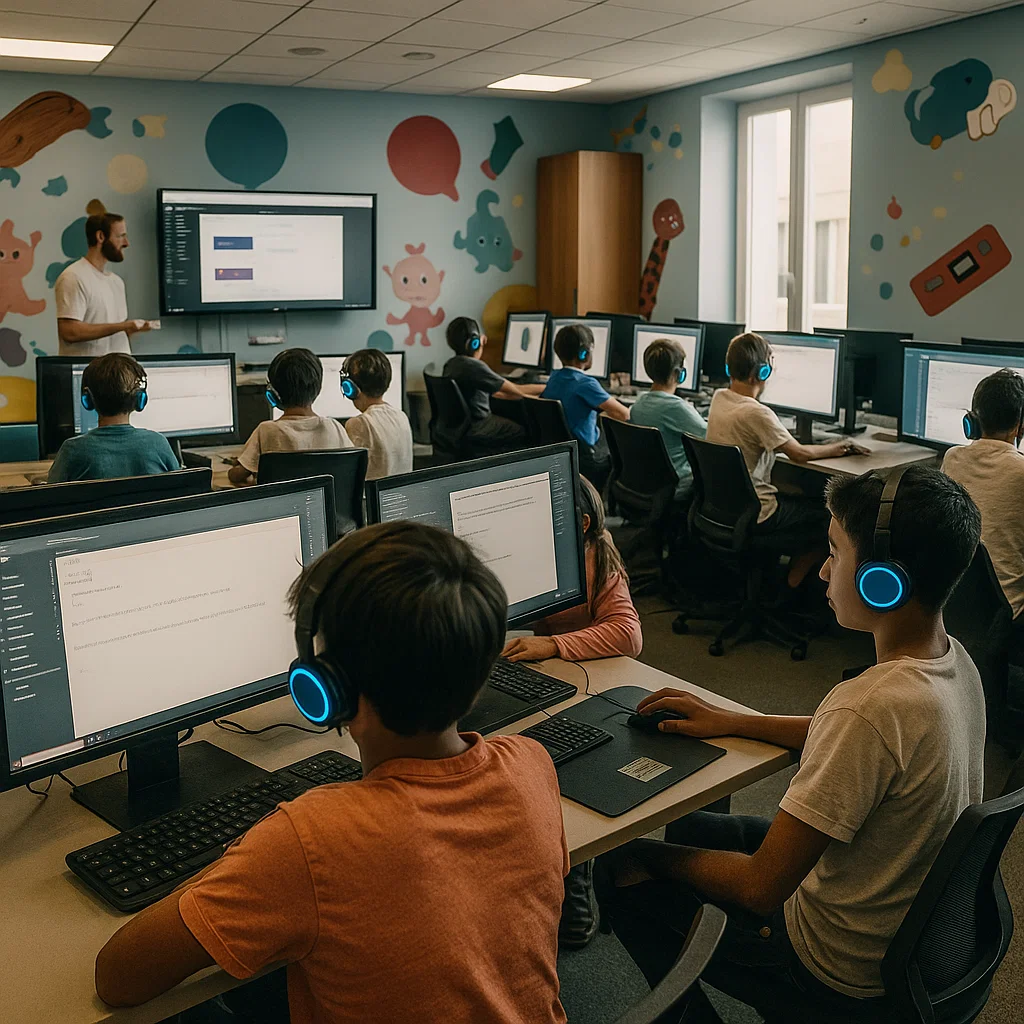
STEM workshops and after-school science clubs give children hands-on chances to practise problem‑solving, creativity and teamwork while building knowledge that supports school work. These sessions introduce coding, robotics and practical science projects that teach computational thinking and experimental reasoning through small, project-based tasks. Children often gain technical vocabulary, resilience when facing tricky problems and the ability to collaborate in small teams.
What STEM learning activities are offered in Brighton after-school clubs?
Local STEM options range from beginner coding clubs using block-based tools to robotics workshops combining simple circuitry with basic programming. Maker projects and science experiment clubs encourage design thinking and guided exploration of physical principles. Sessions usually start with a short demo followed by hands-on challenges where children iterate on a design or solve a task, getting quick feedback and a sense of progress. Progression typically moves learners from visual programming to text-based code and from guided builds to more open-ended projects as confidence grows.
Which local providers run STEM clubs and workshops in Brighton?
STEM clubs are delivered by a mix of school-linked groups, community organisations and specialist providers that focus on age‑appropriate teaching and safety. When choosing a provider, check session structure, the balance of instruction versus hands-on time, and whether leaders explain ideas in plain language. It’s also worth confirming recognised safeguarding practices and staff-to-child ratios. These checks help parents weigh quality and ensure a positive, educational experience for their child.
This map shows which STEM activities emphasise particular skills and helps parents match sessions to developmental goals.
What creative arts and music classes are available for kids after school in Brighton?
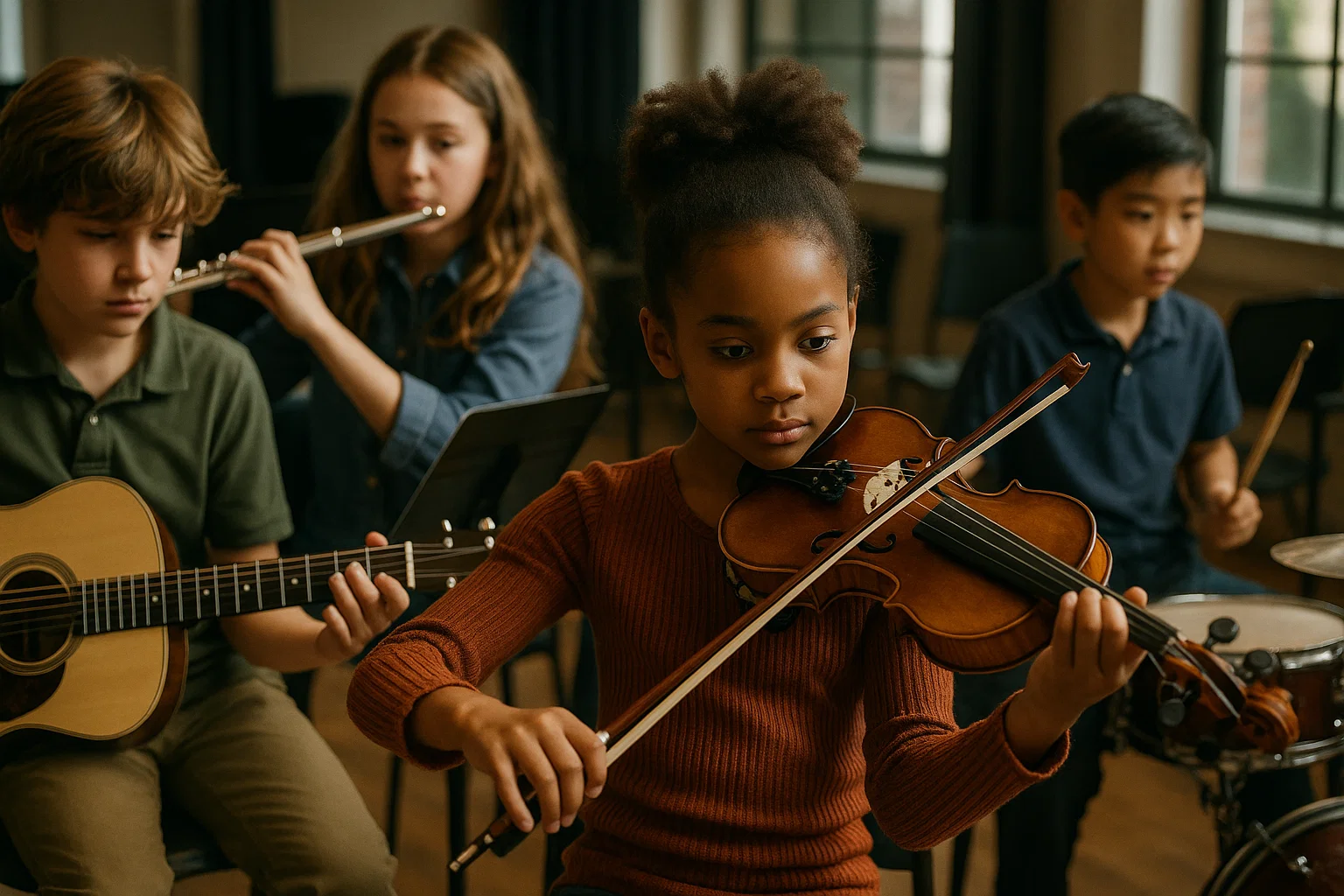
Creative arts and music classes help children develop expression, confidence and cultural understanding through practical practice and group performance. Art classes teach techniques and visual language while encouraging experimentation with different materials. Drama clubs build public speaking, empathy and storytelling through role-play and improvisation. Music lessons — from beginner group classes to individual tuition — strengthen listening, discipline and ensemble skills.
Which creative writing and drama clubs can children join in Brighton?
Creative writing workshops and drama clubs run structured activities that boost literacy, imagination and stagecraft. Writing sessions often use prompts, peer feedback and short publishing-style projects to build narrative skills and confidence with language. Drama groups use warm-ups, improvisation and scripted scenes to develop performance skills and social-emotional awareness. Many clubs work towards a sharing session or performance, which gives children a clear goal and a sense of achievement. Look for small group sizes and transparent behaviour and safeguarding policies when assessing these options.
Where can kids take music lessons and join music clubs in Brighton?
Music tuition is available as one-to-one lessons for faster technical progress and in small groups for social learning and ensemble work. Common instruments taught include piano, guitar and voice in both individual and group settings, while choirs and music clubs offer ensemble experience. Trial lessons are helpful — a single taster lets parents and children gauge teaching style, rapport and practical details like instrument hire or storage. When choosing a teacher, think about whether they follow graded syllabuses or favour a more creative approach, and whether lessons include performance opportunities that build confidence.
- Creative arts classes develop technique and encourage experimentation in a supportive setting.
- Drama clubs build public speaking, empathy and teamwork through playful activities.
- Music lessons balance technical skill and ensemble experience depending on format.
These creative options support communication and confidence alongside artistic development, making them useful complements to school learning.
Which sports and outdoor activities are offered in Brighton after-school clubs?
After-school sports and outdoor clubs promote fitness, teamwork and routine through coached sessions and play. Popular options include junior football, dance, athletics and racket sports, each suiting different interests and fitness levels. Sessions typically mix skills practice, small-sided games and cool-downs to encourage individual improvement and team play. Providers range from school programmes to independent clubs and community groups; checking coach qualifications and safeguarding policies is an important step for parents. Below we list common sports, what sessions usually include and the types of providers to consider.
What sports clubs are popular for children in Brighton?
Popular sports clubs focus on regular skill practice, fitness and age-appropriate match play. For example, football sessions usually include warm-ups, ball-control drills and small-sided games that build spatial awareness and team skills. Dance classes move through technique, routines and performance elements to develop strength and musicality. Outdoor clubs factor in seasonal needs — weather-appropriate kit and indoor alternatives for wet days — which affects whether an activity is practical year-round. Trial sessions are a good way to check if the coaching style and pace suit your child.
Who provides after-school sports clubs in Brighton?
Sports clubs are run by charities, community organisations, private coaches and school partnerships, each offering different structures and price points. Parents should look for coaches with recognised qualifications, insured activities and clear safeguarding processes such as DBS checks. Community-run sessions often offer lower-cost access and local connections, while private clubs may provide specialist coaching and competitive pathways. Verifying a provider’s behaviour, injury management and communication policies helps ensure a safe, constructive environment.
- Check coach credentials: ask about coaching qualifications and DBS checks.
- Confirm session structure: warm-up, skill practice, games and cool-down should be included.
- Assess logistics: weather contingency, kit lists and transport options affect sustainability.
These checks help families pick sports activities that build fitness while keeping logistics manageable.
How can parents choose the right after-school club for their child in Brighton?
Choosing the right club combines practical logistics with a fit between a club’s aims and your child’s interests and needs. Parents should consider safety, age suitability, cost, schedule and proximity while thinking about the skills they want their child to practise — whether that’s social confidence, technical ability or academic support. Trial sessions, observation and a few targeted questions to providers help parents assess the club culture and teaching approach. The checklist below organises the main factors and suggests short questions to use when enquiring.
What factors should parents consider when selecting clubs?
Focus on a few practical and quality indicators that predict a good experience. Important points include age-appropriate groups, staff-to-child ratios, safeguarding measures, flexible booking or notice periods and clear pricing. It helps to know a session’s learning goals — recreational, skill development or exam-focused — and whether the provider offers trial sessions or progress feedback. Ask about behaviour management and how the provider communicates with parents to see if the club’s culture fits your family.
How do after-school clubs support child development and social skills?
After-school clubs support cognitive, social and emotional development by giving children safe spaces to practise skills and experience group dynamics. STEM and academic clubs promote problem solving and persistence, creative arts boost imagination and literacy, and sports develop physical skills and teamwork. Small-group activities give repeated chances for turn-taking, leadership and feedback, which build resilience and confidence over time. Choosing activities that match a child’s interests and developmental goals increases the chances of long-term engagement and meaningful learning.
- Identify your child’s goals: skills, social outcomes or extra practice.
- Check logistics: location, schedule, cost and travel arrangements.
- Trial and evaluate: attend a session, ask for references and observe interactions.
- Confirm safety and policies: safeguarding, insurance and medical procedures.
This step-by-step approach helps families make a practical choice that balances aspiration with everyday life.
What practical information do parents need about Brighton after-school clubs?
Parents need clear steps for finding and booking clubs, a list of the admin details to prepare, and pointers to free or low-cost alternatives. Start with local directories, community noticeboards and school newsletters; then follow up by phone or email to confirm availability, eligibility and registration requirements. Booking usually needs emergency contacts, medical information and consent for photos. The sections below give a simple search-and-book workflow and a verified-minded look at budget-friendly options.
How can parents find and book after-school clubs in Brighton?
Begin with targeted searches like “after school clubs Brighton” and scan school newsletters and community centre noticeboards. Once you have a shortlist, phone or email providers to confirm dates, fees and waiting lists, and ask about trial sessions. Booking often requires completed registration forms, emergency contact details and any relevant medical or allergy information — having these ready speeds up enrolment. A short enquiry script works well: introduce your child, say which days you prefer, ask about trial availability and request the provider’s safeguarding policy.
Are there free or budget-friendly after-school activities in Brighton?
Yes — free and low-cost options exist, usually run by community centres, charities or council-supported schemes. Look for programmes clearly labelled free or community-run and check eligibility criteria. Brighton Up Your Day highlights verified listings marked as free or subsidised, but spaces can be limited so early registration is recommended. When assessing budget options, confirm whether equipment is provided or if there are extra costs for materials or transport so the activity really fits your household budget.
This quick comparison shows how booking method affects lead time and flexibility so families can plan effectively.
What are the most common questions about after-school clubs in Brighton?
Parents often ask which activities suit their child’s age, how clubs support learning and wellbeing, and how to weigh cost against benefit. Short answers help families decide quickly and point to the sections above for more detail. The Q&A below maps club types to age groups and summarises the main benefits you can expect from regular participation.
What after-school clubs are available for different age groups in Brighton?
Offerings generally fit common age brackets: early years and lower primary (4–6) focus on creative play, basic motor skills and introductory music; primary years (7–11) expand into structured coding, sports, drama and small ensemble music; secondary-aged children (11–16+) can access advanced STEM projects, specialised music tuition and competitive sports pathways. As children grow, they benefit from gradually increased independence in booking and travel, while older children often prefer clubs with clear progression or accreditation. Matching activities to readiness helps keep motivation high.
How do after-school clubs benefit children’s learning and wellbeing?
After-school clubs combine skill practice with social interaction in a low-risk setting, delivering both learning gains and wellbeing benefits. They build confidence through achievable challenges, support social skills via teamwork and shared goals, and extend classroom learning with targeted STEM or literacy enrichment. Regular attendance creates routine, supports physical health through sport, and provides a safe, supervised space that complements family life. Parents should balance immediate enjoyment with longer-term development when choosing clubs.
- Confidence and resilience: grown through repeated practice and achievable goals.
- Skill development: targeted practice in STEM, arts or sports supports school learning.
- Socialisation: teamwork and group activities build communication and empathy.
Brighton Up Your Day verifies listings and encourages parents to check provider pages or contact organisers directly for the latest details and availability. Our editorial approach aims for accuracy and local insight so families can make informed choices; when in doubt, confirm session dates, fees and safeguarding policies with the provider before registering.
Frequently Asked Questions
What are the benefits of after-school clubs for children’s social skills?
After-school clubs give children regular chances to interact with peers in a structured setting — ideal for practising social skills. Through teamwork and group tasks, children learn to communicate, share responsibility and resolve disagreements. These experiences build empathy and emotional awareness as children navigate different group dynamics. Regular involvement also boosts confidence as kids take on tasks with peer support, making it easier to form friendships and collaborate in teams.
How can parents assess the quality of after-school clubs?
To judge quality, check staff qualifications and experience, plus the staff-to-child ratio so each child gets enough attention. Observe a trial session to feel the club’s atmosphere and teaching style. Ask about safety policies, behaviour management and how the club reports progress or concerns to parents. Parent reviews and recommendations from local schools or community centres are also useful when choosing a provider.
Are there specific clubs for children with special needs in Brighton?
Yes — Brighton has after-school clubs tailored for children with special needs. These groups focus on inclusion and provide adapted support to suit different learning styles and abilities. Look for clubs with trained staff and a supportive environment that encourages social interaction and skill development. Always discuss your child’s specific needs with providers to ensure the right adaptations and resources are in place.
What should parents look for in terms of safety and safeguarding in clubs?
Prioritise safeguarding: check that staff have background checks such as DBS, and that the club has clear policies for behaviour, emergencies and medical care. Ask about supervision during activities and transitions, and how allergies or medical needs are handled. Clear communication channels and published safeguarding policies are good signs of a responsible provider.
How do after-school clubs accommodate different age groups?
Clubs usually structure activities by age so content is appropriate and engaging. Younger children take part in play-based and creative sessions, while older children move to more structured learning and competitive sport. Providers often group by age or ability to encourage social interaction and matched skill development. Check each club’s age range and consider your child’s interests and maturity when choosing.
What are the typical costs associated with after-school clubs?
Costs vary by activity, session length and provider. Community-run clubs are generally more affordable, while specialised or private providers may charge more. Remember to budget for extras like materials, uniforms or equipment. Many clubs offer sibling discounts or early-registration deals — ask about financial support or payment plans if cost is a concern.
Can children switch clubs if they are not enjoying their current activity?
Yes — if a child isn’t enjoying an activity, it’s fine to explore other options. Encourage open conversation with your child about what they do and don’t like. Trial sessions at different clubs can help find a better fit. Moving to a different club can renew motivation and offer new social and learning opportunities that match your child’s interests.
Conclusion
Brighton’s after-school clubs offer valuable chances for children to build skills, confidence and friendships. From STEM and creative arts to sport, these activities extend learning beyond the school day and give children practical, enjoyable ways to grow. We encourage parents to explore local options and try a few sessions to find the best fit for their child’s interests and development. Discover the after-school programmes around Brighton and take the next step in your child’s learning and enjoyment.
If you want to explore more local venues that host children’s activities, take a look at our guide to Brighton community centres!