
Last Updated on 29 July 2026 by Dave King
Devil’s Dyke is the most spectacular viewpoint near Brighton, a deep valley in the South Downs about five miles north-west of the city. It is the longest, deepest and widest dry valley in Britain, and from the top you get panoramic views across the Weald that the painter John Constable is said to have called the grandest in the world. This guide covers how to get to Devil’s Dyke, what to do there, the history, and the practical things worth knowing before you go.
The site is managed by the National Trust and is free to visit, though parking is paid. It is open all year.
What to Know About Devil’s Dyke
| Detail | Information |
|---|---|
| Distance from Brighton | About 5 miles north-west |
| Managed by | National Trust |
| Entry | Free (parking is paid) |
| Getting there | Breeze 77 bus, car, walking or cycling |
| On site | Pub, car park, walking trails |
| Dogs | Welcome, on leads near livestock |
Table of Contents
What Is Devil’s Dyke?
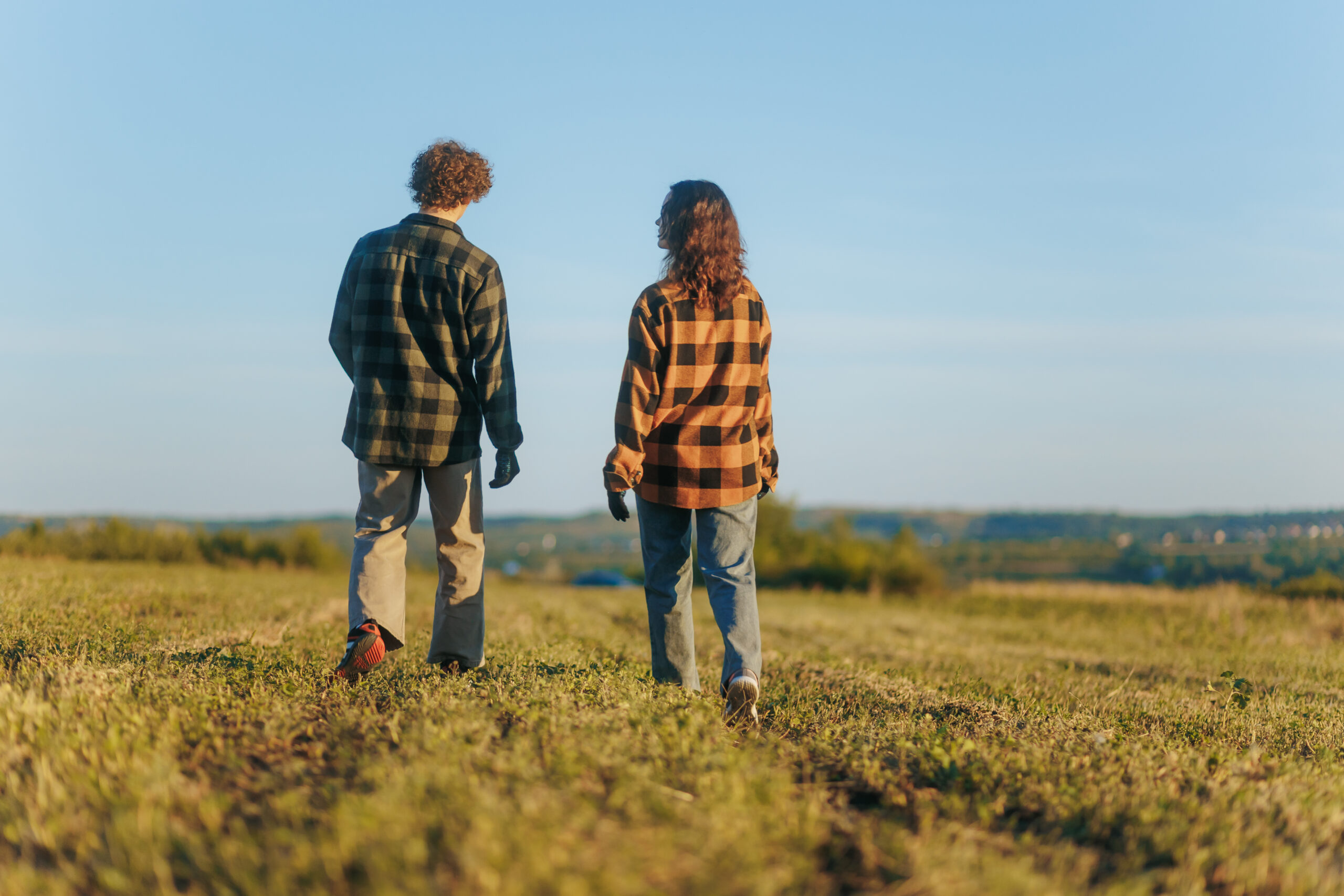
Devil’s Dyke is a V-shaped dry valley nearly a mile long and around 100 metres deep, cut into the chalk of the South Downs. It is the longest, deepest and widest dry valley in the UK.
There are two explanations for how it formed. The legend says the Devil dug the chasm to flood the churches of the Weald with seawater, but was disturbed by an old woman who lit a candle; mistaking it for sunrise, he fled and left the work unfinished. The scientific explanation is that the valley was carved by water and frost just over 10,000 years ago, at the end of the last ice age, when the frozen chalk could not absorb meltwater.
How to Get to Devil’s Dyke

By bus: The Breeze 77 bus runs from Brighton city centre up to Devil’s Dyke, passing the Palace Pier and Brighton station on the way. It runs at weekends and on bank holidays throughout the year, with additional weekday services from around mid-June to the end of August. Some services are open-top in summer. The journey takes around 30 minutes.
By car: The car park is about two miles north of the A27 Brighton bypass, off the A281. Parking is paid, and it gets busy at weekends and in good weather, so arrive early.
By bike: A traffic-free cycle path runs from Hangleton, near Hove, up to Devil’s Dyke. It is about four miles of family-friendly cycling on a paved path up gentle slopes, part of National Cycle Network route 20.
On foot: Devil’s Dyke sits on the South Downs Way, the 100-mile National Trail from Winchester to Eastbourne, so it is well connected by footpath. It is around five to six miles from Brighton on foot, or a one-mile walk from the villages of Fulking or Poynings. If you enjoy a coastal walk as much as a downland one, the Seven Sisters day trip is another easy escape from the city.
What to Do at Devil’s Dyke
The main draw is the view. From the top you can see across the Weald to the north, and on a clear day out to the sea on two sides. It is a popular spot for a picnic, a walk or simply taking in the panorama.
Walking: Several signposted trails start from the car park, from short loops to longer routes along the South Downs Way. A popular walk heads down into the valley and on to Saddlescombe Farm in the next valley along.
Hang-gliding and paragliding: The steep slopes create the updrafts that make Devil’s Dyke one of the best-known spots in the South East for hang-gliding and paragliding. On a breezy day you will often see gliders catching the thermals above the valley.
Saddlescombe Farm: A short walk from the Dyke, this National Trust farmstead has over 1,000 years of history and was once connected to the Knights Templar. The Wildflower Cafe there is a good stop for a drink or a bite.
History hunting: The ramparts of an Iron Age hillfort are still visible around the hilltop, and the remains of the Victorian funfair can be found a few minutes from the car park.
The History of Devil’s Dyke
People have been drawn to Devil’s Dyke since the Stone Age, and the hilltop was later the site of an Iron Age hillfort. But its heyday came in the Victorian era. With Brighton booming as a fashionable resort nearby, the Dyke became a major tourist attraction, and in 1887 a railway line was built to carry sightseers up from Brighton to the summit.
At its peak the Dyke had a full set of attractions: the branch railway, a steep funicular railway down towards Poynings, and a cable car strung across the valley itself, along with funfair rides. The railway and the aerial attractions are long gone, but the site’s popularity as a viewpoint has never faded, and the grassy slopes still draw walkers, families and day-trippers out from the city.
The Devil’s Dyke Pub
There is a pub right by the car park, the Devil’s Dyke, a Vintage Inn that serves food and drink with the same wide views. It is a convenient spot to end a walk, but it gets very busy at weekends and in good weather, so booking ahead is wise if you want to eat.
FAQs
How do you get to Devil’s Dyke from Brighton without a car?
The Breeze 77 bus runs from Brighton city centre to Devil’s Dyke at weekends and on bank holidays year-round, plus weekdays in summer, taking around 30 minutes. Alternatively, the 17 bus runs to Poynings, from where it is about a 25-minute uphill walk.
Is Devil’s Dyke free?
Yes, the site is free to visit and is managed by the National Trust. The only cost is parking, which is paid, or your bus or train fare if you travel in.
How was Devil’s Dyke formed?
Scientifically, the dry valley was carved by water and frost at the end of the last ice age, just over 10,000 years ago. Local legend credits the Devil, who was said to be digging a channel to flood the Weald before being scared off.
Is Devil’s Dyke good for walking?
Yes. It sits on the South Downs Way with several signposted trails from the car park, ranging from short loops to longer downland walks, including a popular route to Saddlescombe Farm.
Can you take dogs to Devil’s Dyke?
Yes, dogs are welcome, but they must be kept on a lead near the grazing livestock on the downland.
Final Thoughts
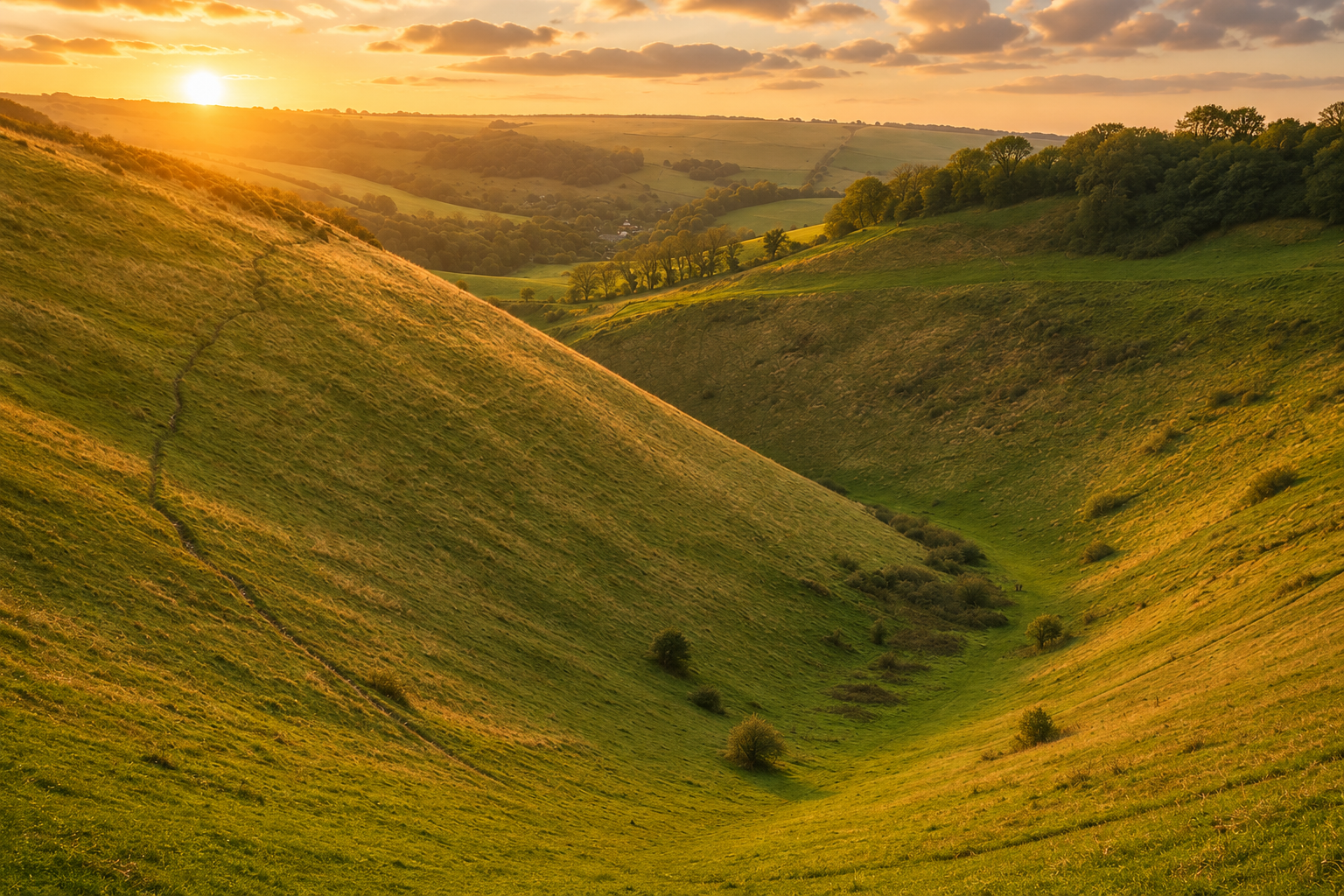
Devil’s Dyke is the easiest way to swap the seafront for the South Downs, and one of the best views in Sussex for very little effort. Take the 77 bus up, walk the ridge, watch the paragliders, and stop at the pub or the café at Saddlescombe before heading back. For a proper downland hike or just a half-hour up from the city to look at the view, it is well worth the short trip out of Brighton.