
Last Updated on 1 June 2026 by Dave King
Independent shops and opening times can change, so check before visiting.
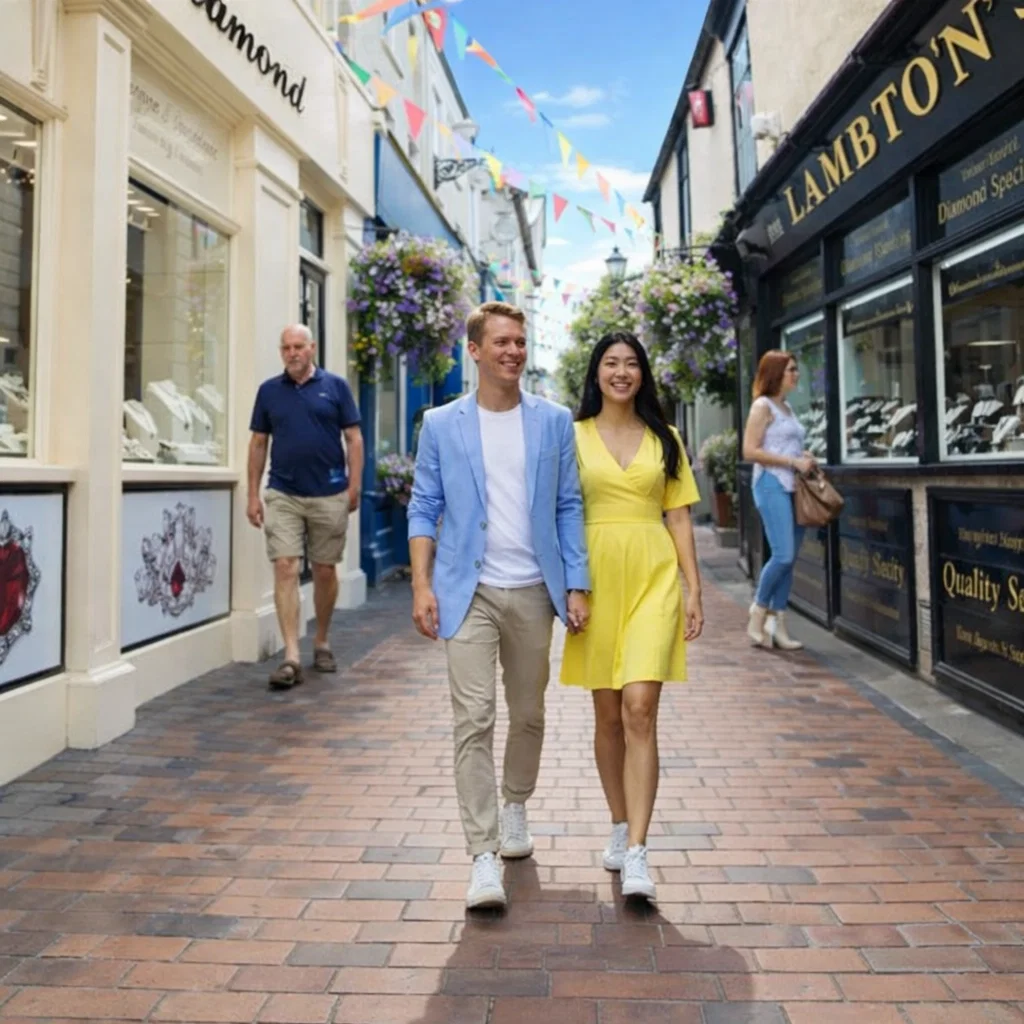
If you are looking for things to do in Brighton Lanes, this guide covers the streets, shops, pubs, restaurants and historic corners that make the area one of the city’s best places to wander. Brighton Lanes sit between East Street, Ship Street and North Street, around a ten-minute walk from Brighton Station and five minutes from Brighton Palace Pier, which makes them easy to add to almost any Brighton day out.
You can come here for jewellery, antiques, seafood, old pubs, hidden passageways or simply the atmosphere. The area still reflects the layout of old Brighthelmstone, Brighton’s earlier fishing settlement, but today it works just as well as a place to browse, stop for lunch and drift through a few of the city’s most characterful streets.
Table of Contents
- What are the best things to do in Brighton Lanes?
- What is the history of Brighton Lanes and Brighthelmstone?
- Which streets in Brighton Lanes are worth exploring?
- Where should you shop in Brighton Lanes?
- Where can you eat and drink in Brighton Lanes?
- What hidden gems and unique experiences can you find in Brighton Lanes?
- How do Brighton Lanes differ from North Laine?
- What practical tips should visitors know?
- Which nearby attractions go well with a visit?
- FAQs
- Conclusion
- <strong>Useful reads</strong>
What are the best things to do in Brighton Lanes?
The best things to do in Brighton Lanes are usually the simplest ones: wander the old alleyways, browse the jewellers on Meeting House Lane, dip into Brighton Square for antiques, stop for seafood or a pub lunch, and pair it all with the Royal Pavilion or the pier. VisitBrighton describes the area as a historic maze of narrow streets full of independent shops, places to eat and drink, right between the seafront and North Laine.
| Thing to do | Why it’s worth it |
|---|---|
| Explore the old lanes and twittens | The historic street pattern is part of the charm |
| Browse jewellery shops | The area is known for specialist jewellers and bespoke makers |
| Visit Brighton Lanes Antique Centre | One of the clearest antique stops in the area |
| Eat at Riddle & Finns The Lanes | One of the best-known restaurant names in the quarter |
| Stop for a drink at The Cricketers or The Walrus | Two very different pub experiences with strong character |
| Add a guided walk or self-guided route | Good for hidden stories and quieter corners |
The table reflects current official listings and venue pages for the area.
What is the history of Brighton Lanes and Brighthelmstone?
Brighton Lanes began as part of Brighthelmstone, the old fishing settlement that later grew into Brighton. VisitBrighton says parts of the area date back to the late 16th century, while Brighton & Hove City Council’s “A flavour of the Lanes” walk explains that today’s street pattern still follows the layout of medieval Brighton, even though many buildings are later rebuilds.
The wider city changed quickly in the 18th and 19th centuries. The Royal Pavilion was built as the seaside pleasure palace of George IV, and the 1841 rail link made Brighton much easier for visitors from London to reach. That combination of old street layout, royal influence and seaside tourism is a big part of why the Lanes now feel both historic and busy.
Which streets in Brighton Lanes are worth exploring?
Meeting House Lane and Ship Street are two of the easiest places to start. Meeting House Lane is particularly strong for jewellery and specialist independent shopping, while Ship Street is one of the more useful central routes through the area and links the Lanes back towards the seafront. The wider boundaries, East Street, Ship Street and North Street, are useful reference points if you want to get your bearings before wandering more freely.
If you want the classic Brighton Lanes feel, start with the busier entry points and then move into the smaller side lanes where the pace slows down a bit. That is where the area usually feels most distinctive.
Where should you shop in Brighton Lanes?
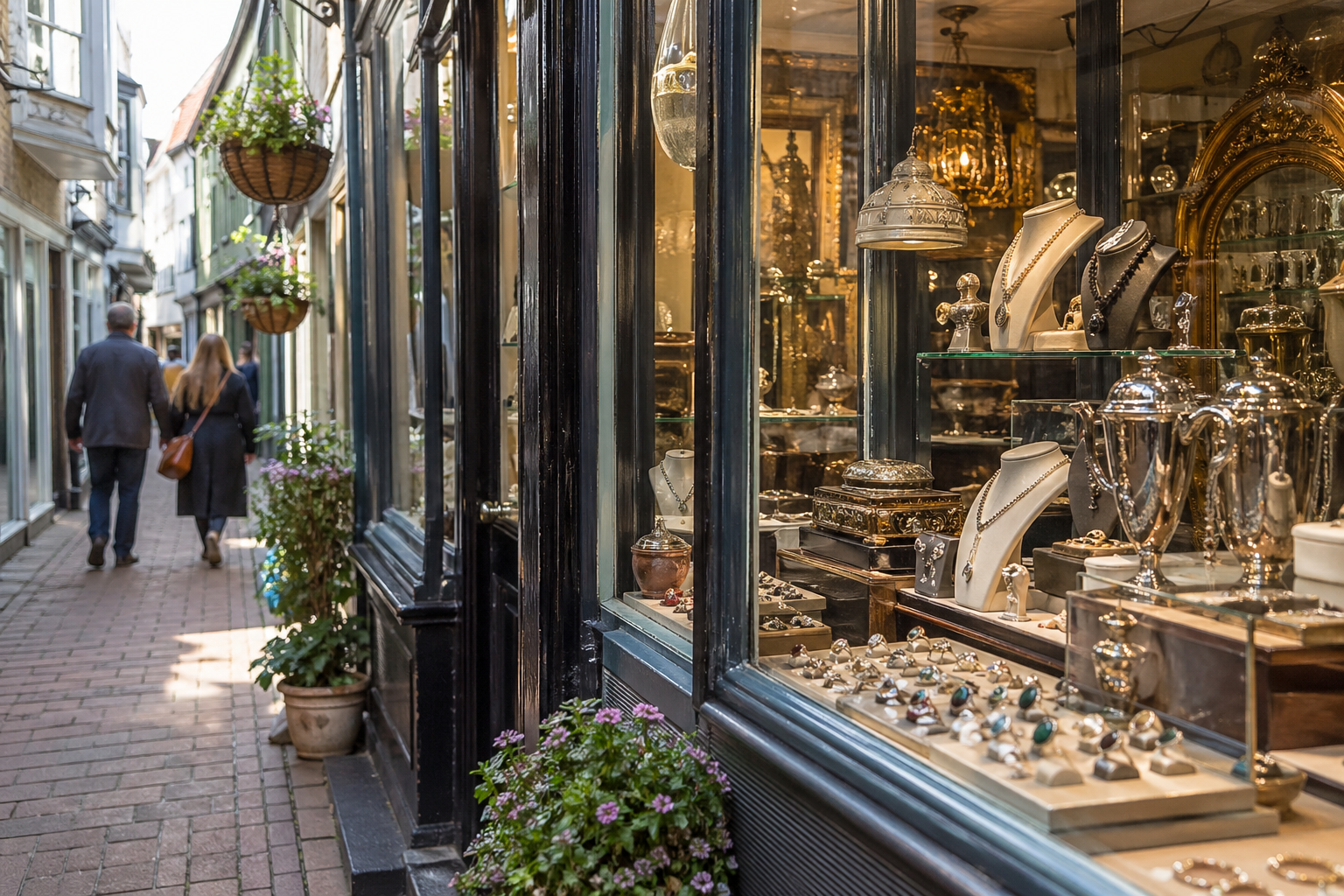
Shopping is one of the biggest reasons people come here. The Lanes are especially known for jewellery, antiques and smaller independent shops rather than big-chain retail. That is one of the clearest differences between this area and the broader shopping streets elsewhere in central Brighton.
| Shop name | Specialisation | Current details |
|---|---|---|
| Lambton’s Jewellers | Independent jeweller | 2 Meeting House Lane, Brighton BN1 1HB |
| RING jewellers | Bespoke jeweller | 21 Meeting House Lane, Brighton BN1 1HB |
| Brighton Lanes Antique Centre | Antiques and collectables | Brighton Square |
These details are taken from current official site listings.
Which jewellers are worth visiting?
Lambton’s Jewellers is a traditional independent jeweller on Meeting House Lane with new and pre-owned pieces, including engagement rings, wedding rings and gem-set jewellery. RING jewellers is the stronger pick if you are specifically interested in bespoke engagement rings, wedding rings or jewellery remodelling.
Where can you find antiques?
Brighton Lanes Antique Centre is the obvious place to start if antiques are the main reason you are visiting. Its official site says it specialises in antique furniture, jewellery, silverware and a wide range of collectable household items.
Where can you eat and drink in Brighton Lanes?
Food and drink are a big part of what makes the area work so well for a few hours or a full afternoon. You can browse, stop for lunch, carry on shopping, then finish with a drink without really leaving the quarter.
| Venue | Type | Why it stands out |
|---|---|---|
| Riddle & Finns The Lanes | Seafood restaurant | Long-established seafood and Champagne spot on Meeting House Lane |
| The Walrus | Pub and dining venue | Four floors including dining room, cocktail lounge and hidden roof garden |
| The Cricketers | Historic pub | Claims to date back as far as 1547 and is widely presented as Brighton’s oldest pub |
These are all currently verifiable through official venue pages.
What are the best restaurants in Brighton Lanes?
Riddle & Finns The Lanes is one of the strongest established restaurant names in the area. Its official site says it opened in 2006 and is the original Champagne and Oyster Bar in the heart of the Lanes.
Which pubs are worth a stop?
The Cricketers is the best historic-pub answer if you want age and atmosphere, while The Walrus is better if you want something more sprawling and lively, with several levels and a hidden roof garden. The Walrus’ own site highlights four floors including a pub, dining room, cocktail lounge and roof garden.
What hidden gems and unique experiences can you find in Brighton Lanes?
Part of the appeal of the Lanes is that the smaller corners often end up being the most memorable part of a visit. Brighton & Hove City Council’s self-guided “A flavour of the Lanes” walk starts outside the Royal Pavilion and is designed around the old maze of passageways, while Only in Brighton’s “Secrets of the Lanes” tour focuses on hidden routes and stories from Tudor times onwards.
Brighton Square is one of the easier quieter stops if you want a break from the busier alleyways, and a guided or self-guided walk is one of the best ways to spot the details you would probably miss if you were only shopping.
How do Brighton Lanes differ from North Laine?
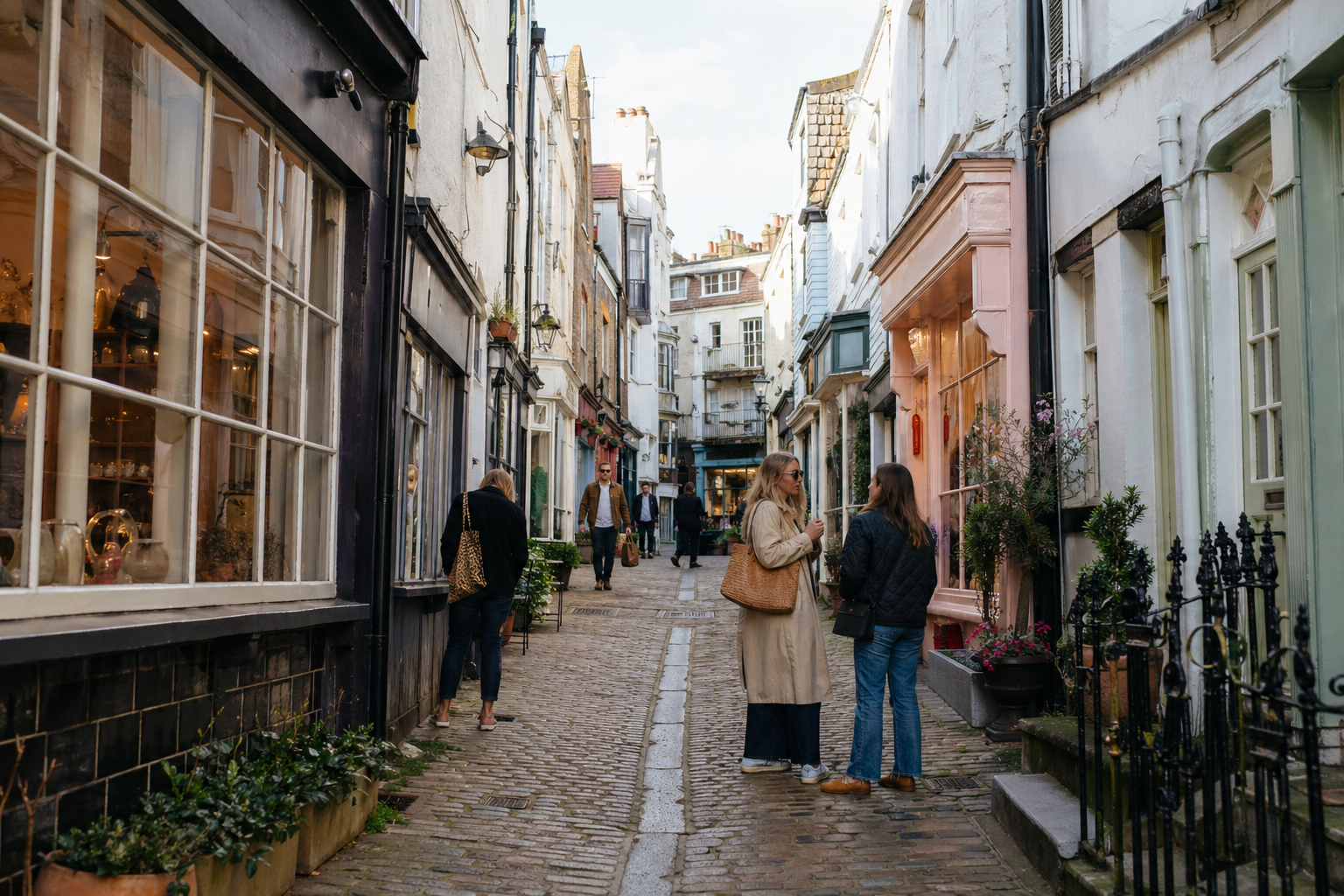
Although they sit very close together, they feel quite different. The Lanes are more compact, more historic and more associated with jewellery, antiques and boutique shopping. North Laine generally feels broader, more bohemian and more obviously stacked with vintage shops, cafés and creative independents. VisitBrighton literally positions the Lanes between the seafront and North Laine, which is a useful way to think about how the two areas relate.
If you want polished independent shopping and old-town atmosphere, go for the Lanes. If you want something scruffier, more artsy and more alternative, North Laine usually fits better. That difference is part of why both areas are worth seeing on the same trip.
What practical tips should visitors know?
Brighton Lanes are easy to reach and easy to explore on foot. VisitBrighton says the area is about ten minutes from Brighton Station and five minutes from Brighton Palace Pier, which makes it a simple addition to a wider city walk.
If you are driving, The Lanes car park on Black Lion Street is the most obvious nearby option. Brighton & Hove City Council lists it as a 24-hour multi-storey car park with 355 spaces.
If you want more structure, the city council’s self-guided walk is wheelchair friendly and buggy friendly, and VisitBrighton’s tours section also points to guided city walks more broadly.
Which nearby attractions go well with a visit?
The Royal Pavilion and Brighton Palace Pier are the obvious pairings. The Pavilion adds history and architecture, while the pier adds classic seaside Brighton. Both are close enough to turn a Lanes wander into a broader, very easy city-centre day out.
FAQs
Are there guided tours of Brighton Lanes?
Yes. Only in Brighton’s “Secrets of the Lanes” tour focuses on the hidden passageways and history of the old town, and Brighton & Hove City Council also offers a self-guided “A flavour of the Lanes” walk.
How long should you spend in Brighton Lanes?
A couple of hours is enough for a browse, a coffee and a look around the main streets. Longer works better if you want lunch, proper shopping or to combine the area with the Royal Pavilion or the pier. This is more a judgement call than a fixed fact, but the area’s compact layout makes both options easy.
Is Brighton Lanes good for jewellery shopping?
Yes. It is one of the area’s best-known strengths, especially around Meeting House Lane, where Lambton’s and RING jewellers are both based.
Is Brighton Lanes family friendly?
Generally yes. The area is walkable, compact and close to family-friendly attractions like Brighton Palace Pier, and the council’s self-guided walk is marked as buggy friendly.
Conclusion
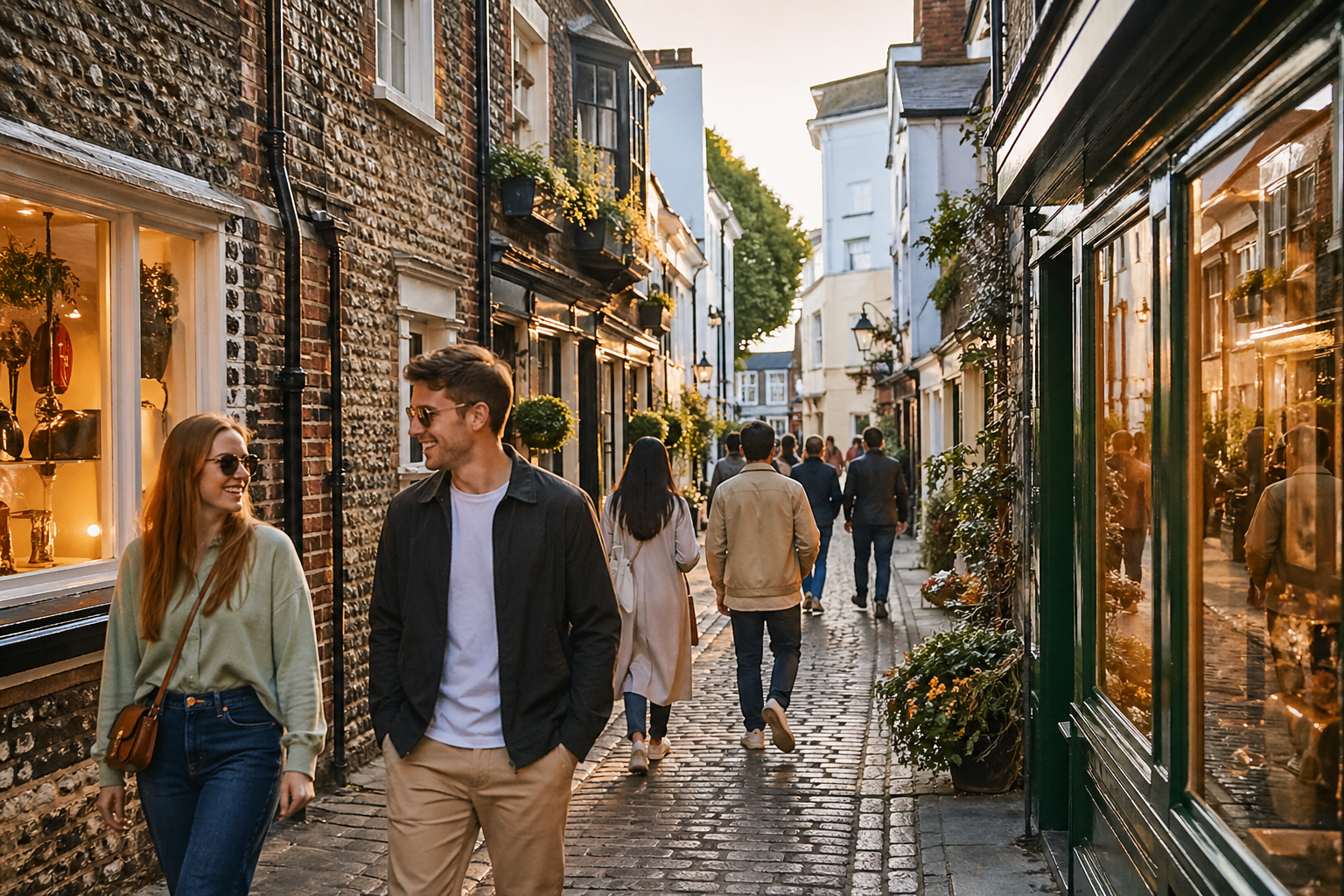
If you are searching for things to do in Brighton Lanes, the best answer is not one single attraction. It is the combination of old streets, independent shopping, jewellery, antiques, pubs, seafood and hidden corners that makes the area work so well. Start with Meeting House Lane, leave time for Brighton Square, stop for food or a drink, and let the smaller alleys do the rest.
Useful reads
- Best Beer Gardens in Brighton: 9 Sunny Pubs for the Perfect Pint
- Afternoon Tea in Brighton: Where to Find a Proper Treat
- Charity Shops in Brighton: Best Areas, Vintage Finds & Bargain Tips
- Brighton Architecture: The Stories Behind the Buildings
- Pub Quizzes in Brighton: Best Quiz Nights by Day of the Week