
Table of Contents
- Brighton’s Lesser-Known Traditions: A Local’s Guide to Pride, Rock Candy, Sussex Pond Pudding, Bonfire Night and the Nudist Beach
- What Makes Brighton Pride Festival a Unique Local Tradition?
- Where Can You Discover the Origin and Legacy of Brighton Rock Candy?
- How Is Sussex Pond Pudding a Distinctive Brighton Culinary Tradition?
- What Are the Traditions and Celebrations of Bonfire Night in Brighton?
- What Defines the Culture and History of Brighton's Nudist Beach?
- Conclusion
Brighton’s Lesser-Known Traditions: A Local’s Guide to Pride, Rock Candy, Sussex Pond Pudding, Bonfire Night and the Nudist Beach
Brighton offers much more than pebbled beaches and vintage arcades. Behind the well-known tourist spots lie local customs and flavours that truly tell the city’s story: vibrant festivals, a famous seaside sweet, a distinctive regional pudding, firework events with real community spirit and a famously tolerant beach culture. This guide reveals those traditions, what they mean, how they began and where to experience them around Brighton and Hove, so you can explore beyond the pier with confidence.
Visitors often expect only the shoreline, but Brighton’s customs, shaped by civic activism, seaside tourism and Sussex cookery, offer richer, longer-lasting memories. We take a close look at five signature traditions: Brighton Pride, Brighton Rock candy, Sussex Pond Pudding, Bonfire Night and the city’s recognised nudist beach. Expect short histories, vendor and venue suggestions, local tips and handy comparison tables to help you plan.
What Makes Brighton Pride Festival a Unique Local Tradition?
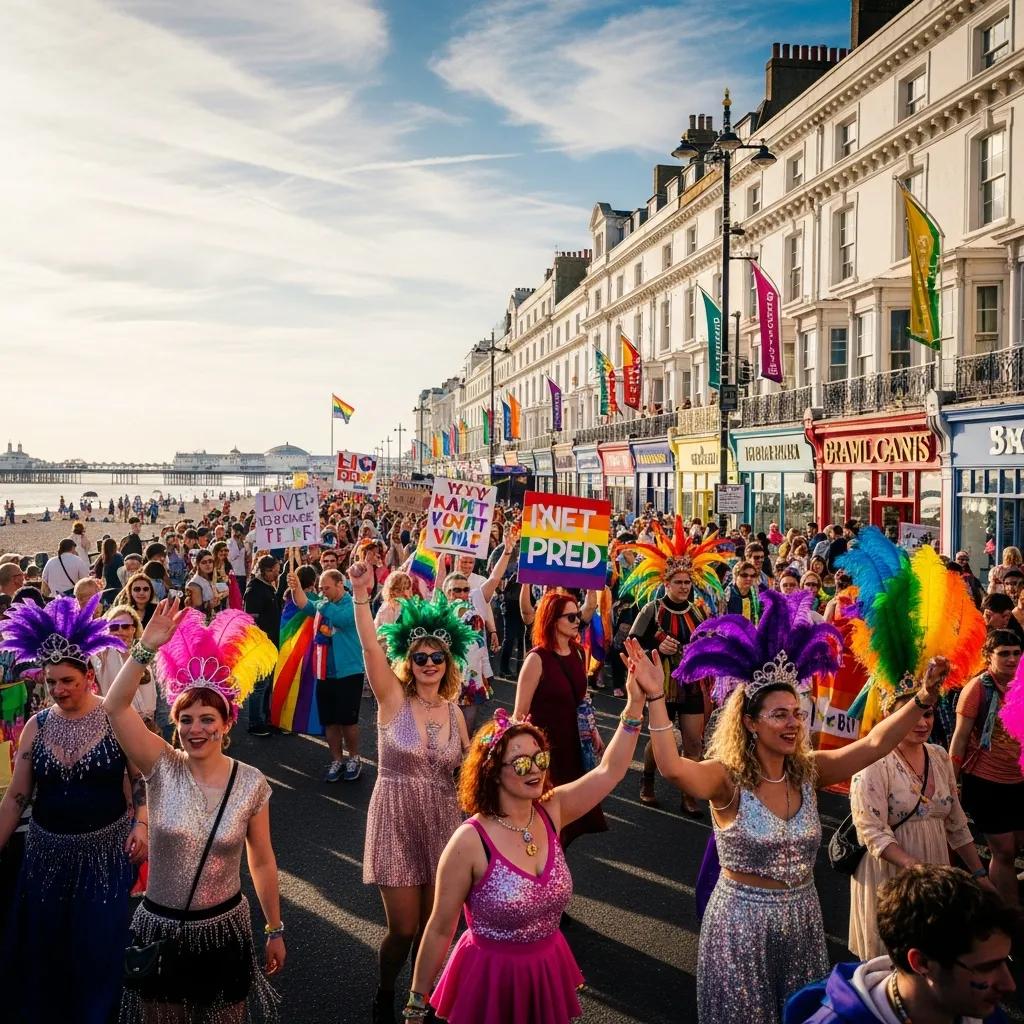
Brighton Pride is more than one big parade. It is a year-round civic and cultural project that raises visibility for LGBTQ+ people, supports local charities and energises the city’s creative scene. Community marches, staged performances and a lively fringe turn campaigning into celebration, producing real benefits: awareness, fundraising and a burst of local arts activity each summer. The festival has a clear identity, inclusive programming, family-friendly areas and a parade that moves through some of Brighton’s most recognisable public spaces. If you’re attending for the first time, a little planning, where to stand, which fringe events suit you and when to arrive, makes the day much more enjoyable.
How Did Brighton Pride Festival Originate and Evolve?
Brighton’s first Gay Pride took place in 1973, making it one of the earliest in the UK. The modern Brighton Pride as we know it today began in 1991, sparked by local response to Section 28, a controversial law affecting LGBTQ+ rights. Since then, it has grown into one of the UK’s major Pride events through grassroots organising, bigger audiences and more formal programming. Early meet-ups and demonstrations evolved into a parade format with multiple stages and community outreach that links celebration to political visibility. Key milestones include established parade routes through central Brighton, the rise of a Pride fringe for theatre and music, and stronger partnerships between local organisations that now support year-round work. The festival’s evolution reflects a cultural shift where civic pride and activism became one visible movement, part celebration, part social change.
This history shows how Brighton Pride has long been a public platform for activism, community support and creative expression.
What Are the Key Events and Cultural Highlights of Brighton Pride?
The Pride programme blends a main parade with headline stages, family zones and an energetic fringe showcasing local theatre, comedy and workshops. Parade day features decorated floats, walking groups from charities and businesses, and major performance stages with headline acts and community awards. Fringe events spread across the city in the days around Pride, and there are quieter, family-friendly pockets to keep things inclusive for all ages. For the fullest experience, mix parade viewing with stage acts and fringe shows and arrive early to secure a good spot near the main stages.
Where Can You Discover the Origin and Legacy of Brighton Rock Candy?
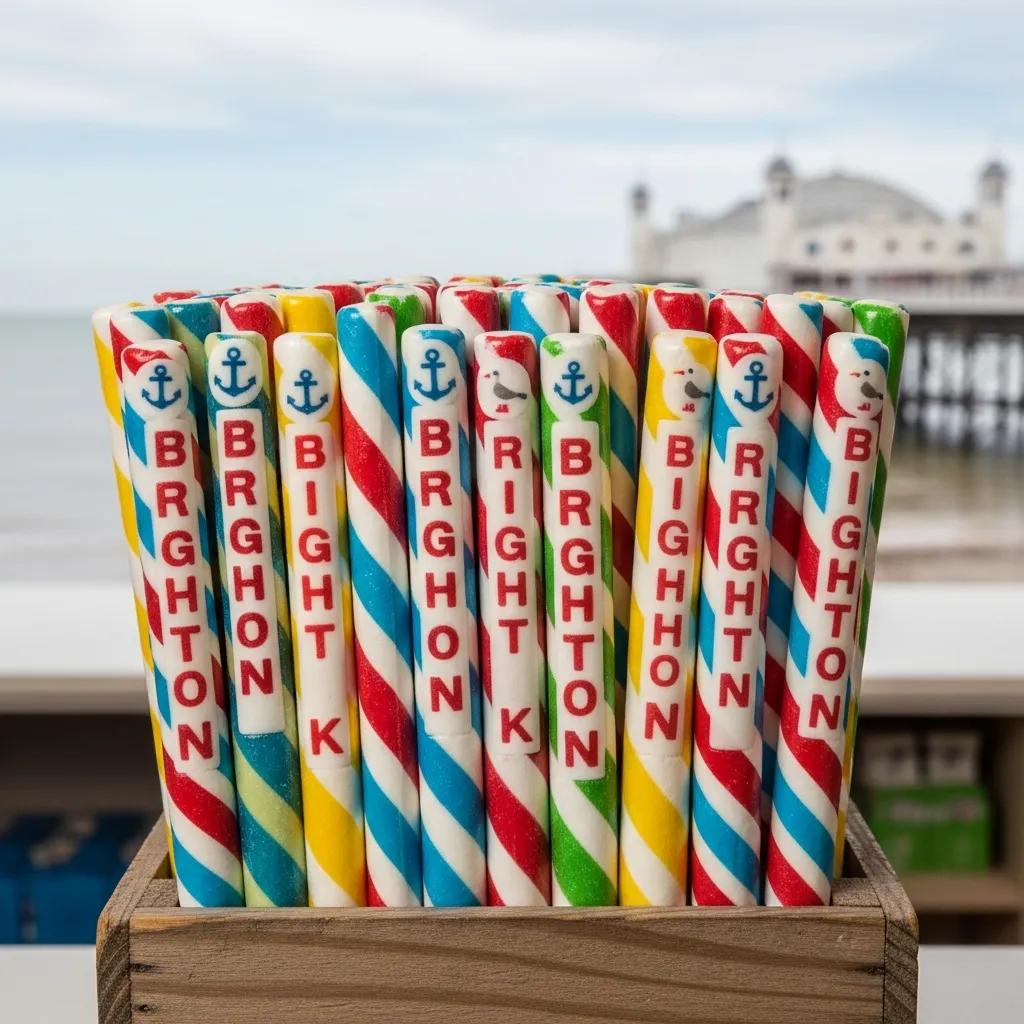
Brighton Rock is a classic seaside sweet that doubled as a souvenir long before social media: confectioners pull and colour boiled sugar so the town’s name runs down the whole stick. The treat grew out of Victorian and Edwardian holiday culture, when piers and shopfronts sold portable memorabilia. The process, heat, colouring and repeated pulling, locks lettering and pattern into the candy, so each stick is a tiny Brighton keepsake. When you buy rock, look for crisp lettering and a hand-pulled texture: those signs usually mean you’ve found the authentic, artisan product rather than a mass-made imitation. The table below lists local sellers and what they’re known for to help you pick the right place to buy genuine Brighton Rock.
Sampling rock connects you to a wider British seaside tradition; it’s both a taste and a pocket-sized piece of Brighton history.
| Shop or Stall | Speciality | Distinctive Feature |
|---|---|---|
| World Famous Brighton Rock Shop | Hand-pulled rock with town name | Longstanding seaside speciality and tourist staple |
| Pier-front Confectioners | Pier-themed sweets and mixes | Traditional seaside display and ready-to-buy souvenir |
This quick comparison shows whether a seller prioritises heritage or convenience; pick according to whether you want provenance or the classic pier experience.
What Is the History Behind Brighton Rock Candy?
Brighton Rock developed from seaside sweetmaking where confectioners created attractive, easy-to-carry treats for holidaymakers. The clever trick, “running” the town name through the sugar core, became both a production feat and a marketing device. The candy is made by boiling sugar, adding colour and flavour, then repeatedly stretching and folding the mass so a patterned core with lettering runs the length of the stick. Over time the colours and flavours evolved with tourism trends, but the candy’s meaning stayed the same: a small edible souvenir of a Brighton visit. Many locals remember watching rock pulled on the pier or buying it as a childhood memento, and that nostalgia helps keep it popular.
Where to Buy Authentic Brighton Rock Candy in Brighton?
For true Brighton Rock, head to specialist shops that demonstrate hand-pulling and show clear lettering. Trusted sources include long-standing seaside confectioners and pier concessions that stick to traditional methods. When buying, ask about how the rock is made, check the clarity of the embedded name and prefer classic colours and flavours over novelty mixes. It’s best to visit early for the freshest stock and compare a few sellers to find the texture and flavour you prefer.
- Look for clear, sharp lettering running the length of the stick.
- Choose vendors advertising hand-pulled or small-batch production.
- Compare shopfronts and pier stalls to balance price and authenticity.
Following these tips helps you spot genuine Brighton Rock and avoid factory-made copies, plus trying a few vendors reveals subtle differences in texture and taste.
How Is Sussex Pond Pudding a Distinctive Brighton Culinary Tradition?

Sussex Pond Pudding is a boiled suet pastry with a buttery, sugary centre built around a whole lemon that breaks down into a syrupy “pond.” The technique turns humble ingredients into a theatrical, runny filling that defines the dish. This pudding is part of Sussex’s rich heritage of suet puddings, hearty, celebratory desserts that have been enjoyed in homes and kitchens across the region for generations. Modern versions often use a whole lemon to create the signature tangy sauce. If you want to try Sussex Pond Pudding in Brighton, look for it on seasonal menus or at restaurants focusing on traditional Sussex cuisine rather than expecting it at specific venues.
The pudding offers a warming contrast between rich, flaky pastry and a tangy, buttery sauce, making it a perfect treat in cooler months or after a hearty meal.
What Are the Ingredients and History of Sussex Pond Pudding?
Today, Sussex Pond Pudding is often made with suet pastry and a centre of butter, sugar and a whole lemon. As the pudding steams, the lemon releases juices and oils that form a bright, syrupy sauce, the eponymous “pond.” Historically, suet puddings were economical celebratory dishes across rural Sussex, designed to feed families and make the most of pantry staples. Cooks refined the technique of enclosing a whole lemon so its oils flavour the sauce; modern chefs sometimes swap fats or tweak fillings but keep the pond effect central. Expect a contrast between rich, flaky pastry and a tangy, buttery sauce; it’s a warming dessert best enjoyed in cooler months or after a hearty meal.
What Are the Traditions and Celebrations of Bonfire Night in Brighton?
While nearby Lewes is famous for its elaborate Bonfire Night celebrations with torch-lit processions, effigies and large community bonfires, Brighton itself usually marks Bonfire Night with organised fireworks displays and community events. Locations can vary from year to year rather than being fixed to one spot. Burning the Clocks is a separate event held in December, a unique lantern procession and bonfire celebration of the winter solstice and community spirit. Brighton’s Bonfire Night events tend to focus on family-friendly fireworks and community gatherings rather than the large-scale pageantry seen in Lewes.
For those interested in the famous bonfire traditions, a short trip to Lewes offers a spectacular experience, but Brighton’s own events provide a welcoming and festive atmosphere closer to the city.
How Is Bonfire Night Celebrated in Brighton?
Brighton’s Bonfire Night celebrations usually centre on organised fireworks displays and community events that are suitable for families and visitors. These events focus on enjoyment and safety, with clear viewing areas and often include food stalls and music. The city also hosts Burning the Clocks in December, a unique lantern procession and bonfire event that celebrates the winter solstice and community spirit.
Where Are the Best Spots to Experience Bonfire Night in Brighton?
Fireworks and community events take place at various locations around the city, which can change from year to year. To avoid crowds, arrive early and plan your journey home, as public transport and walking are usually the best options due to road closures and limited parking. Checking local event listings before you go will help you find the best times and locations.
What Defines the Culture and History of Brighton's Nudist Beach?
Brighton’s naturist beach opened in 1980 and is the first official public naturist beach in the UK. It is a designated and signed area near the eastern end of the main beach, reflecting the city’s long-standing culture of tolerance and personal freedom. This area provides a practical framework for consensual naturism that balances public access, etiquette and community expectations. The beach also connects to Brighton’s broader reputation for openness and tolerance, which includes a welcoming attitude towards diverse lifestyles. For visitors, the combination of acceptance and clear etiquette makes the beach a place where respect and privacy are paramount. Here are some basic do’s and don’ts to help you blend in comfortably.
- Respect privacy: never photograph or film others without explicit permission.
- Observe signs and stay inside designated areas.
- Keep behaviour polite and non-intrusive; consent and respect guide shared spaces.
These simple rules help maintain a respectful atmosphere and show how the beach operates as both a social tradition and a practical public space.
How Does Brighton's Nudist Beach Reflect the City's Open-Minded Culture?
The nudist beach is a visible example of Brighton’s broader pattern of openness. It sits alongside a strong LGBTQ+ history, an active arts scene and a tradition of progressive movements that welcome alternative lifestyles. Public spaces here often serve as places where inclusivity is practised, not just talked about. If you visit, follow local etiquette, learn the norms and appreciate how the beach connects to the city’s wider values of tolerance and mutual respect.
Frequently Asked Questions
What is the significance of Brighton's local traditions for visitors?
Brighton’s traditions give visitors a clearer picture of the city’s identity. Taking part in events like Pride or trying regional dishes such as Sussex Pond Pudding helps you connect with local people and supports small businesses. These customs reveal the values that shape Brighton, openness, creativity and community, and they make a visit more memorable than a simple day at the beach.
How can I participate in Brighton Pride as a first-time attendee?
Plan ahead: check the official Pride site for parade routes, schedules and safety info. Arrive early to find a good viewing spot, and consider family zones if you’re with children. Explore fringe events for a wider experience; local vendors and smaller performances add a lot to the day. Above all, join in respectfully and enjoy the welcoming atmosphere.
What are some traditional dishes to try in Brighton besides Sussex Pond Pudding?
Besides pond pudding, start with classic fish and chips from a local chippie and don’t miss Brighton Rock candy for a seaside souvenir. Local seafood dishes showcase the city’s coastal roots; look for menus that highlight seasonal, locally sourced ingredients to get the full taste of Brighton.
What should I know about etiquette when visiting Brighton's nudist beach?
Respect is everything: don’t photograph other beachgoers, stick to designated nudist areas and keep behaviour polite and unobtrusive. Consent and personal space are key, and following the posted guidelines helps everyone enjoy the beach comfortably.
How does Bonfire Night in Brighton differ from other celebrations in the UK?
Brighton’s Bonfire Night events focus on family-friendly fireworks and community gatherings rather than the large-scale, torch-lit processions and bonfires seen in nearby Lewes. Brighton also hosts unique winter events like Burning the Clocks, which celebrate light and community spirit in a different way.
Are there any specific events during Brighton Pride that cater to families?
Yes, Brighton Pride sets aside family-friendly areas with tailored activities during the parade and across festival sites. Many fringe events include performances and workshops suitable for younger visitors, so families can enjoy the celebrations together in a safe, friendly space.
Conclusion
Getting to know Brighton’s local traditions adds real depth to any visit. From the colour and cause-driven energy of Pride to the tactile nostalgia of Brighton Rock and the theatrical comfort of Sussex Pond Pudding, these customs reflect a city that values creativity, inclusion and good food. Take part respectfully, support local businesses and you’ll leave with more than photos; you’ll leave with stories. Plan your trip and discover these traditions for yourself.