
Table of Contents
- Brighton Lanes: Your guide to the history, best streets, shops and things to do
- What is the history of Brighton Lanes and its origins in Brighthelmstone?
- Which are the best streets to explore in Brighton Lanes?
- What are the top jewellery shops and antique boutiques in Brighton Lanes?
- Where can you find the best dining and pubs in Brighton Lanes?
- What hidden gems and unique experiences await in Brighton Lanes?
- What practical tips should visitors know for exploring Brighton Lanes?
- Top Jewellery Shops and Antique Boutiques
- Dining and Pub Options
- Conclusion
This blog post may contain affiliate links. As an Amazon Associate I earn from qualifying purchases.
Brighton Lanes: Your guide to the history, best streets, shops and things to do
Last checked: 5 March 2026
Independent shops and opening times can change, so check before visiting.
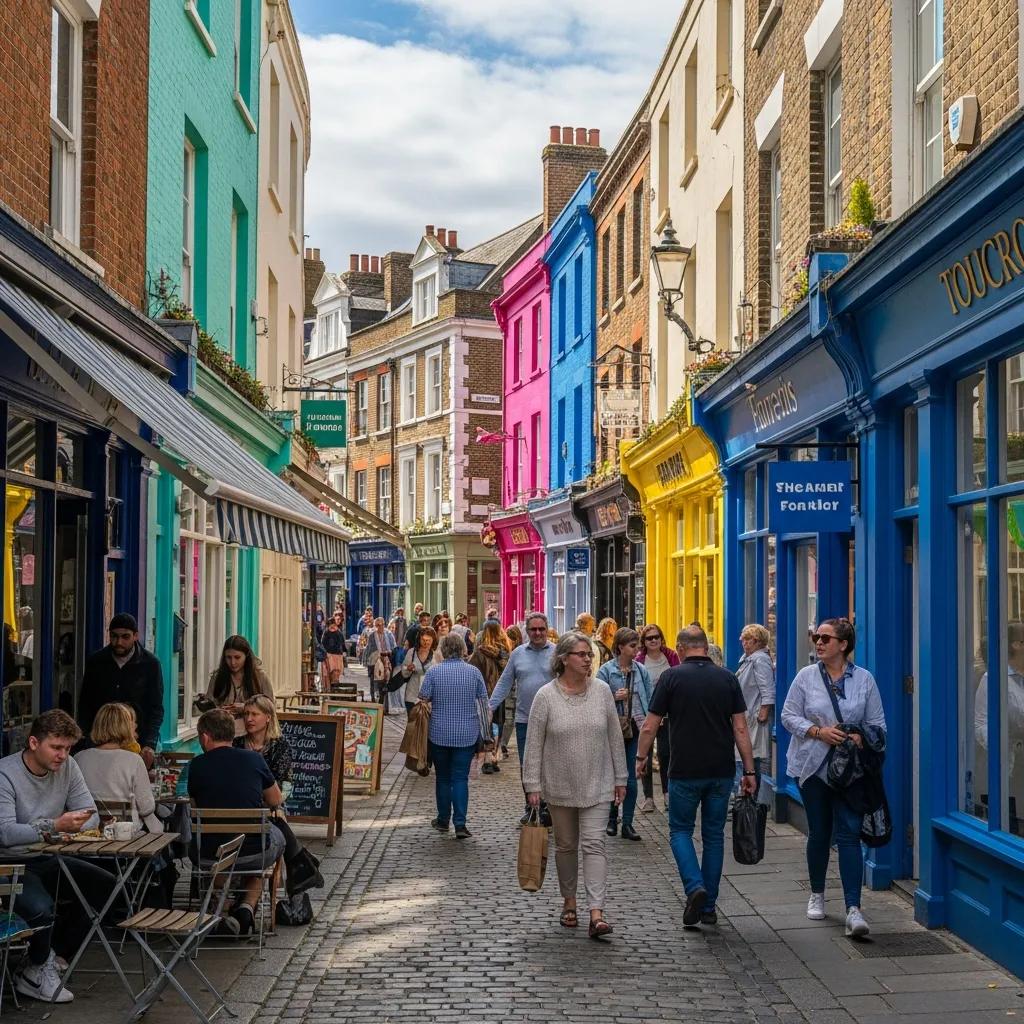
The Lanes are at the heart of Brighton, a charming maze of narrow alleys, cobbled streets and small independent shops that blend history with a lively atmosphere. This guide takes you through the area’s story, the streets worth exploring, the best places to shop, especially for jewellery and antiques, plus where to eat, drink and uncover hidden corners. Whether you live locally or are visiting for the day, this will help you make the most of the Lanes.
We cover: the Lanes’ history, streets to explore, top jewellery and antique shops, dining and pubs, unique experiences, and useful visitor tips, so you can plan a great visit without missing the highlights.
What is the history of Brighton Lanes and its origins in Brighthelmstone?
The Lanes began as Brighthelmstone, a small coastal fishing and trading settlement. Over centuries, the narrow lanes and alleys grew up in the area near the coast, and many of the winding paths you see today follow routes first used by fishermen and merchants. The area’s maritime past is still visible in the layout and older buildings.
Brighthelmstone’s recorded history goes back many centuries, with significant growth from the 18th century onwards. The Royal Pavilion’s rise in the early 1800s brought attention and investment, and by the 19th century the arrival of the railway made Brighton far more accessible to day-trippers and holidaymakers. That mix of seaside popularity and preserved street patterns is why the Lanes feel both historic and lively today.
How did the medieval fishing village evolve into Brighton Lanes?
The transformation accelerated in the 18th and 19th centuries as Brighton became a fashionable seaside resort. Demand for shops, accommodation and entertainment grew, and the narrow streets of the old village suited small, independent traders. Those tiny shopfronts and cobbled alleys are a direct result, a place built for local life that later became a shopping and leisure destination.
Key turning points included the Pavilion’s landscaping, changing leisure habits and, crucially, the 1841 railway link that opened Brighton to visitors from London. Over time cafés, shops and entertainment filled the narrow streets, turning the old fishing quarter into the compact, characterful district we recognise today.
What are the key historical landmarks like The Cricketers Arms?
The Lanes are near landmarks that tell this story. The Cricketers Arms is a historic pub on Black Lion Street, widely known as the oldest pub in Brighton, with traditional features that hint at the area’s 19th-century social life. Nearby, the Royal Pavilion and Brighton Museum offer striking architecture and cultural insights, while Brighton Square provides a small open space within the Lanes. Several notable pubs near the Lanes also contribute to the area’s historic charm.
Visiting these sites helps you read the neighbourhood. The mix of preserved architecture and adaptive reuse shows how history and modern leisure have been woven together over time.
Which are the best streets to explore in Brighton Lanes?
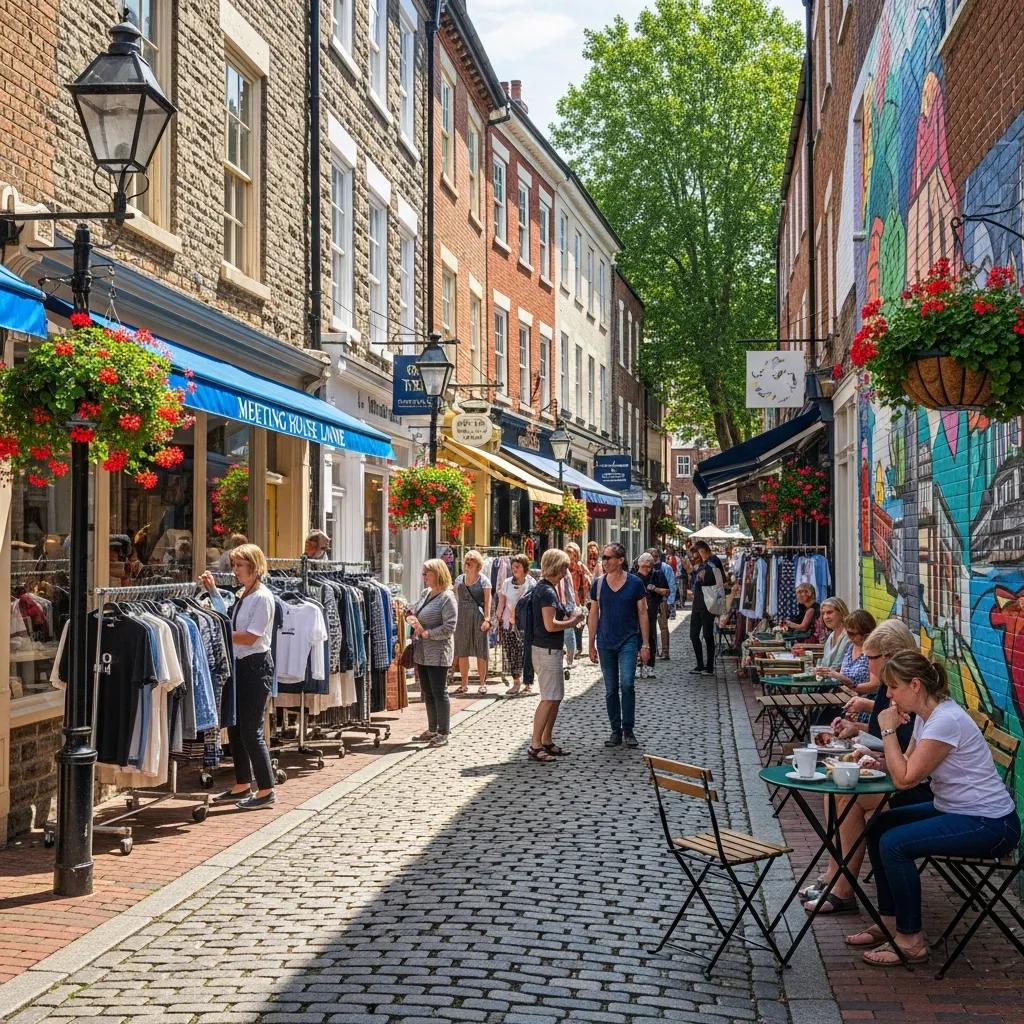
Each lane has its own personality. Walk slowly and you’ll notice small differences, the kind of shops, the seating outside cafés, even the paving underfoot. A few streets are especially worth your time.
Meeting House Lane and Ship Street are two favourites. Meeting House Lane mixes independent boutiques with cosy cafés, a great place to pause and people-watch. Ship Street is a bit busier but still retains a charming mix of shops and eateries, acting as a main artery through the Lanes.
What makes Meeting House Lane and Ship Street unique?
Meeting House Lane feels relaxed and sociable. Bakeries, craft shops and cafés spill onto the pavement, so it’s perfect for a slow browse. Ship Street offers a blend of independent shops and popular cafés, with a lively atmosphere that connects the Lanes to the wider city.
How do the boundaries roughly define The Lanes?
The Lanes stretch roughly between East Street, Ship Street and North Street, close to Brighton Palace Pier and the Royal Pavilion. These larger streets act as gateways. North Street brings more mainstream retail and a busier feel, while Ship Street leads you gently back into the quieter, more intimate passageways of the Lanes.
Knowing these boundaries helps you move from the busier shopping thoroughfares into the smaller lanes where you’ll find the real character, the little shops, tucked-away cafés and occasional glimpses of the sea.
What are the top jewellery shops and antique boutiques in Brighton Lanes?

The Lanes are a brilliant place to hunt for jewellery and antiques. Independent jewellers, bespoke makers and a handful of antique shops mean you can find everything from handcrafted rings to vintage homewares.
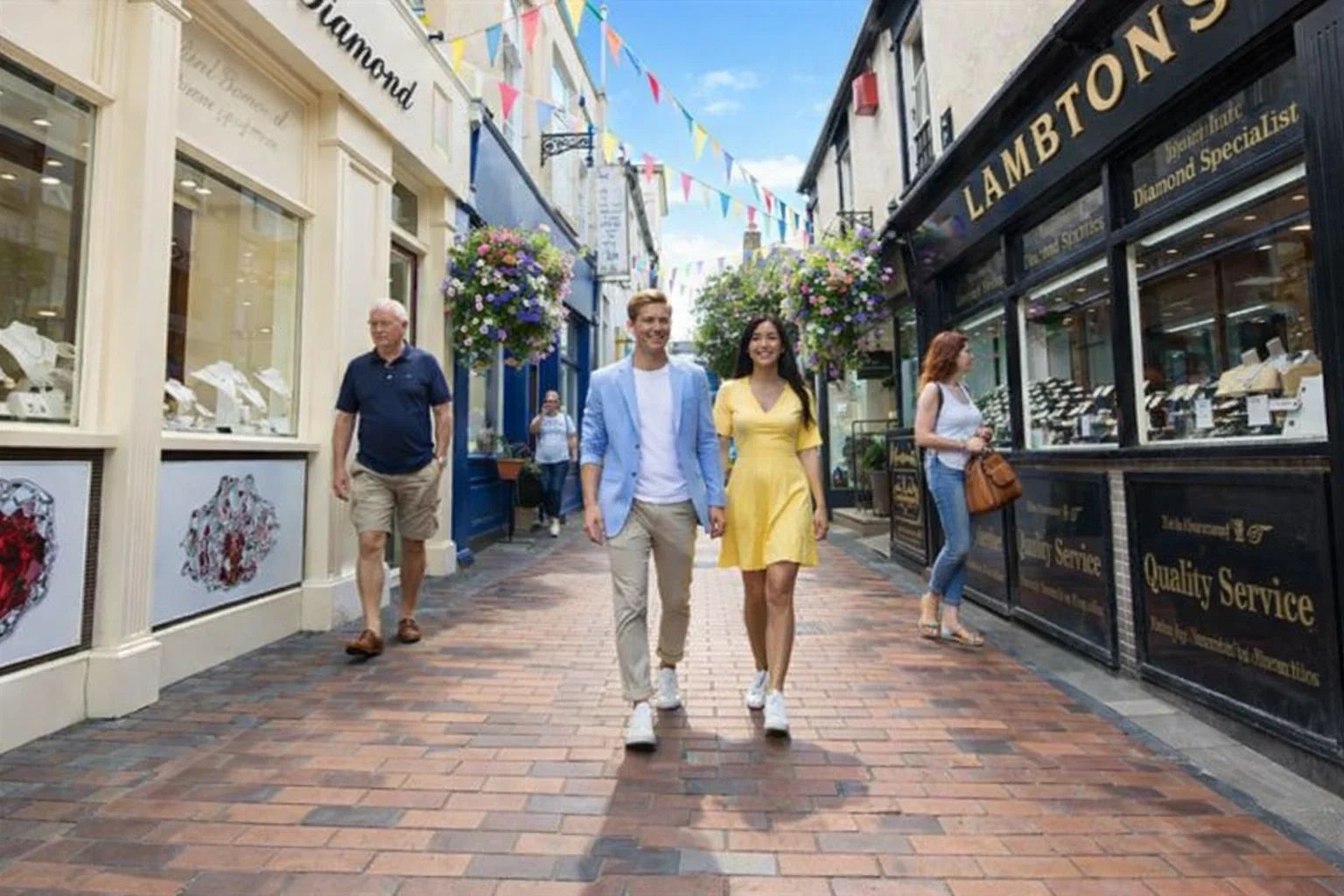
One example is Lambton’s Jewellers at 2 Meeting House Lane, a traditional independent jeweller with new and pre-owned, modern and vintage pieces, especially diamond and gem-set jewellery, engagement rings and wedding rings. RING jewellers at 21 Meeting House Lane is a bespoke jeweller specialising in engagement rings, wedding rings, and jewellery remodelling. Both represent the personal service the area is known for, but check current address and opening times before visiting.
Which independent jewellers should you visit, such as Lambton’s Jewellers and RING jewellers?
Lambton’s Jewellers offers a wide range of new and pre-owned jewellery, with a focus on diamond and gem-set pieces, engagement and wedding rings. RING jewellers specialise in bespoke engagement and wedding rings, as well as jewellery remodelling. Both shops are worth a visit whether you’re buying or just browsing, but check current details before you go.
Where to find the best antique shops and unique boutiques?
The Brighton Lanes Antique Centre, located in Brighton Square, offers antiques, furniture, jewellery, clocks, lighting and collectables. Check current address and opening times before visiting. Scattered through the Lanes you’ll also find boutiques selling vintage clothing, handmade homeware and artisan gifts, perfect for one-off purchases and meaningful souvenirs.
Where can you find the best dining and pubs in Brighton Lanes?
The food scene in the Lanes is as varied as the shops. Small cafés for brunch, seafood restaurants, cosy pubs and a handful of fine-dining spots. You’ll always find somewhere to suit the mood, whether that’s a quick coffee or a longer evening meal.
Riddle & Finns on Meeting House Lane is a local favourite for seafood, praised for fresh fish and a relaxed, smart-casual setting. Its seasonal menu and focus on local produce make it a good choice for visitors wanting quality seafood near the seafront.
What are the top restaurants like Riddle & Finns in The Lanes?
Riddle & Finns stands out for responsibly sourced seafood and simple, well-executed dishes. Other strong options nearby include The Coal Shed, a North Street restaurant just outside or on the edge of the Lanes, known for grilled meats and seasonal vegetables, and several small bistros and cafés that change their menus with the seasons. Each place brings its own spin to local ingredients.
Which historic pubs, including The Cricketers Arms and The Walrus, offer authentic experiences?
The Cricketers Arms is a classic pub on Black Lion Street, widely regarded as Brighton’s oldest pub, with a hearty menu and a friendly welcome. The Walrus blends character with a more contemporary interior and a varied menu, making it good for both casual drinks and an evening meal. Both give you a taste of Brighton hospitality inside historic walls.
What hidden gems and unique experiences await in Brighton Lanes?
Beyond the obvious highlights there are quieter pleasures, tiny courtyards, unexpected galleries, courtyard cafés or peaceful pockets. Spend time exploring the smaller alleys and you’ll be rewarded.
Where are the secret alleys and hidden squares to discover?
The Lanes are full of short passageways and tiny squares that reveal surprising shops and cafés. Look out for tucked-away walkways with colourful shopfronts. Hannington’s Lane is a newer corner of the area known for its murals, independent businesses and pop-up feel. These often lead to quiet benches and better photo opportunities than the main streets.
Royal Pavilion & Garden and a few smaller hidden squares make pleasant, leafy detours if you want a short breather from browsing and people-watching.
How does The Lanes differ from North Laine in atmosphere and offerings?
Both areas are great, but they feel different. The Lanes are compact, historic and boutique-led. You’ll find jewellery, antiques and small independent shops. North Laine is more bohemian and artsy, with larger streets of vintage stores, record shops and creative stalls. If you want polished independent retail and old-world streets, head to the Lanes. For an eclectic, youthful vibe, try North Laine.
What practical tips should visitors know for exploring Brighton Lanes?
A few small tips will make your visit easier. Give yourself time to wander, wear comfortable shoes for cobbles, and check opening hours for small shops, many close earlier than big high-street stores.
When is the best time to visit and how accessible is The Lanes?
Spring and early autumn are ideal, with milder weather, manageable crowds and outdoor seating on many cafés. The Lanes are mainly pedestrian-friendly, but some alleys are narrow and uneven underfoot, so mobility can be a challenge in spots. Plan routes or check accessibility if that’s a concern.
Which nearby attractions like Royal Pavilion and Brighton Palace Pier complement your visit?
The Royal Pavilion is a short stroll away and well worth a visit for its striking architecture and guided tours. Brighton Palace Pier is also nearby, offering classic seaside entertainment, rides, arcades and food stalls, which pairs well with a Lanes walk for a full Brighton day out.
Top Jewellery Shops and Antique Boutiques
| Shop Name | Specialisation | Unique Offerings |
|---|---|---|
| Lambton’s Jewellers | Independent jeweller | Traditional independent jeweller at 2 Meeting House Lane, new and pre-owned modern and vintage pieces, especially diamond and gem-set jewellery, engagement and wedding rings |
| RING jewellers | Bespoke jeweller | At 21 Meeting House Lane, specialising in engagement rings, wedding rings and jewellery remodelling |
| Brighton Lanes Antique Centre | Antiques & collectibles | Located in Brighton Square, offering antiques, furniture, jewellery, clocks, lighting and collectables |
Dining and Pub Options
| Establishment | Cuisine Type | Notable Features |
|---|---|---|
| Riddle & Finns | Seafood | Fresh, locally sourced fish and seasonal dishes on Meeting House Lane, check current opening times |
| The Coal Shed | Grilled meats | Nearby on North Street, just outside or on the edge of the Lanes, focus on quality cuts and seasonal produce |
| The Walrus | Pub fare | Historic setting with a modern, relaxed menu, check current details |
The Lanes are full of character, from historic streets to independent shops and varied places to eat. Whether you’re hunting antiques, buying a special piece of jewellery or just soaking up the atmosphere, the area offers plenty to explore on foot.
Frequently Asked Questions
What types of events are held in Brighton Lanes throughout the year?
The area feels especially lively during busy weekends and wider city events in Brighton, while pop-ups and one-off happenings can vary, so check current local listings before you visit.
Are there any guided tours available for exploring Brighton Lanes?
Yes, several walking tours focus on the Lanes’ history, architecture and hidden stories. Tours usually last 1 to 2 hours and can be booked through local operators or visitor centres. They’re a good option if you want background stories and to spot details you might otherwise miss.
What are the best ways to get to Brighton Lanes using public transport?
Brighton Station is the main rail hub with frequent services from London and the South East. From there it’s a pleasant 10 to 15 minute walk to the Lanes, or you can hop on a local bus. Cycling is also popular, and there are bike racks nearby. Just watch for cobbles and narrow streets.
Is there parking available near Brighton Lanes for visitors driving in?
There are council-run car parks within walking distance, including The Lanes car park and Regency Square car park. Spaces can fill quickly at busy times. On-street parking exists in parts of the city but check local signs and charges.
What types of cuisine can visitors expect to find in Brighton Lanes?
The Lanes offer a broad range: classic British cafés and pub food, seafood, Mediterranean and Asian options, plus vegetarian and vegan-friendly spots. Many restaurants emphasise local, seasonal produce, so menus can change through the year.
Are there any family-friendly activities in Brighton Lanes?
Yes, the Lanes are family-friendly with shops that appeal to children, cafés with outdoor seating and nearby attractions like Brighton Palace Pier and the Royal Pavilion. The compact area makes it easy to explore with kids, though keep an eye on traffic in busier streets.
Conclusion
The Lanes are a compact slice of Brighton’s history and independent spirit, perfect for a few hours of wandering, shopping and eating. Take your time, follow the alleys and let the little details and local shops shape your visit. When you leave, you’ll have a better sense of why locals love this part of town.