
Getting Around Brighton Without Using Public Transport: Complete Guide

28 January 2026

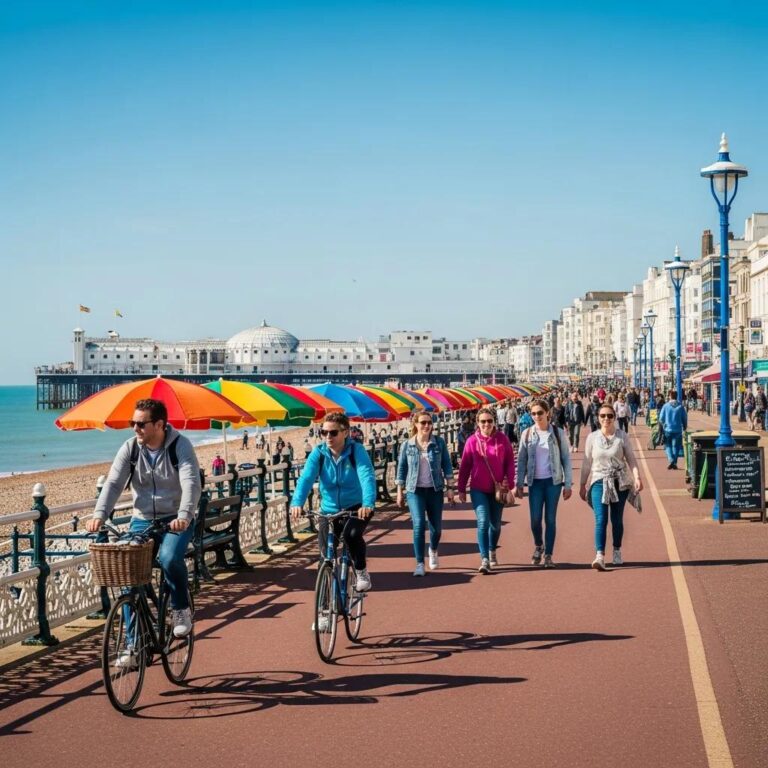
Brighton seafront with people walking and cycling, showcasing active travel options in the city

This blog post may contain affiliate links. As an Amazon Associate I earn from qualifying purchases.

Want to see Brighton without using public transport? This practical guide shows how to get around on foot, by bike and with short private hops so you can savour neighbourhoods, skip queues and move on your own schedule. We explain why walking and cycling are often the quickest, most rewarding ways to explore Brighton and Hove, then give you clear, usable routes, safe cycling corridors, bike-hire options and practical private transport options.

You’ll find route descriptions with distances and timings, accessibility notes, a quick comparison of hire and private providers, plus packing and timing tips to make each outing smoother. Read on for easy city-centre loops, seafront and park rides, how to hire the right bike, which private services work well, and simple ways to combine modes for half- and full-day plans.

Why Choose Walking and Cycling for Exploring Brighton?

People exploring Brighton Without Using Public Transport

Walking and cycling are brilliant in Brighton because everything’s close, the streets are lively and you’ll see far more than from a window. The compact city centre, the seafront and many neighbourhoods sit within easy reach of each other, letting you hop between sights while discovering tucked-away cafés and independent shops. Pick active travel and you get three straightforward benefits that turn a rushed visit into a relaxed day of discovery.

  • Walkability: Brighton’s compact centre puts the Royal Pavilion, The Lanes and Palace Pier within easy walking distance.
  • Discovery: On foot or bike you can stop at cafés, galleries and indie shops you’d miss from a bus.
  • Sustainability: Active travel cuts congestion, lowers carbon output and keeps you outside soaking up the city’s atmosphere.

Those perks make walking and cycling perfect for short stays and easygoing days. Next we run through specific walking routes that show off the city’s best local gems.

What Are the Benefits of Walking in Brighton’s City Centre?

Walking the city centre is efficient, tactile and flexible. Attractions cluster close together and the streets reward a slower pace. A relaxed loop from the Royal Pavilion through The Lanes to Brighton Palace Pier takes under an hour, plenty of time for a coffee stop or a quick gallery visit. Walking lets you notice the small things (shopfronts, market stalls and hidden alleys) and suits families, couples or solo explorers who prefer immersion over speed. Build in two or three short stops and a simple route becomes a day of discoveries. From here it’s easy to see why cycling is worth considering for longer seaside or park outings.

How Does Cycling Enhance Your Brighton Adventure?

Cycling widens your reach while keeping you outdoors, perfect for linking the seafront, marina and nearby green spaces without relying on timetables. A gentle ride along the seafront routes, which feature a mix of shared paths, segregated cycle lanes, and sections where cycling is directed onto the road, requires you to always follow on-the-ground signage and be considerate around pedestrians. The quieter stretch between Hove and Brighton Marina covers several miles in the time it would take to walk one, and e-bikes help on longer or hillier legs.

Cycling works well for families (child seats or trailers), day-trippers heading to Stanmer Park or the South Downs edge, and commuters wanting a quicker, flexible option. Safe cycling comes down to choosing the right route, using lights and locks, and picking a suitable bike. With that in mind, next we share curated walking routes that pair nicely with short cycle detours.

What Are the Best Brighton Walking Routes to Discover Local Gems?

People walking through Brighton North Laines

Brighton has plenty of compact, well-signposted walking routes that mix seaside views, historic streets and green spaces. Pick one to suit your time and energy. Whether you want a short city-centre loop, a longer seafront amble or a neighbourhood circuit through North Laine and Kemptown, these routes are straightforward and rewarding. Here are three to try, with distances, rough timings and a few handy stops.

  • City Centre Loop (Royal Pavilion → The Lanes → Palace Pier): About 1.5 km, 30–45 minutes; great for architecture, cafés and souvenir hunting.
  • Seafront Walk (West Pier area → Hove): Around 3–4 km, 45–70 minutes; perfect for beach views and an ice-cream pit-stop. Note that while Madeira Terrace is undergoing restoration, the promenade below remains accessible. For the latest updates on the restoration work and any potential detours, it’s advisable to check the Brighton & Hove City Council website.
  • North Laine & Seven Dials Circuit: Circa 2 km, 40–60 minutes; focuses on vintage shops, galleries and independent cafés.

Each route rewards a different curiosity (architecture, seaside life or indie retail) and they’re easy to combine with a short cycle ride or a private hop for further destinations. Next we explain self-guided tour options and how to navigate them with little fuss.

Which Self-Guided Walking Tours Highlight Brighton’s Hidden Attractions?

Self-guided walks let you set the pace and pick stops while following clear waypoints to the city’s lesser-known highlights. Popular options are themed loops (history and architecture, food and drink, or street art and vintage finds), often available as downloadable route cards or app maps for offline use. These usually list timings, key landmarks and suggested cafés. For a DIY route, link the Royal Pavilion, The Lanes and a North Laine gallery, leaving time for café breaks and a seaside finish. Take a printed map or an offline map tile to keep navigation smooth, and use local guide resources for curated routes. Plan a few rest stops so the walk stays enjoyable rather than rushed.

How Can You Explore The Lanes and North Laine on Foot?

The Lanes and North Laine are best explored slowly. Tight streets packed with independent shops, artisan cafés and cultural nooks make a 45–60 minute loop a lovely intro. Start in The Lanes for historic alleyways and jewellery shops, then cross into North Laine for vintage stores, record shops and tiny galleries. Allowing 10–15 minutes at key stops keeps the loop lively without feeling hurried: 15 minutes for coffee, 20 for a shop and 10 for a gallery is a good rhythm. If you prefer quieter visits, aim for early morning or late afternoon to avoid peak footfall and enjoy the neighbourhood details.

How to Rent Bikes and Use Cycling Routes in Brighton Effectively?

Hiring a bike is simple once you match the bike to your route and follow a few safety basics. Short-term share schemes suit quick seafront hops; local hire shops are better for full-day outings, families or e-bikes. Use a sturdy lock, wear a helmet (recommended) and follow cycle-lane etiquette to keep rides safe and enjoyable. Below is a compact comparison of common hire options to help you choose and plan routes.

This table compares typical bike-hire options available in Brighton and Hove.

Provider TypeTypical Bikes AvailableTypical Hire Duration / Price Range
Beryl BTN BikeShareDocked/shared standard pedal bikes and e-assist models (hub-based bike hire scheme across Brighton & Hove). Check the Beryl app for current bay locations and availability.Prices and availability vary; check the Beryl app for current rates and options.
Brighton Beach BikesStandard and family-friendly hires (adult, child, tag-along, e-bikes)Half-day to full-day hires suitable for family seaside rides and longer excursions
Independent local hire shopsVariety including hybrid, road, mountain, and electric bikesMulti-hour to full-day hires for longer routes and South Downs access

Please note that Brighton & Hove does not currently have a public rental e-scooter scheme. The council has consulted on a proposed Beryl-run hire trial planned for 2026, which is subject to approvals. Privately owned e-scooters cannot be used on public roads, pavements, or cycle lanes in the UK.

After you pick a provider, the next section offers practical booking and route tips to get the most from cycling around Brighton.

Where Can You Hire Bikes in Brighton and Hove?

You’ll find both short-term share systems like Beryl BTN BikeShare, with numerous bays across the city, and independent hire shops that cater to families, commuters and leisure riders. Shared bikes are great for quick pick-up/drop-off seafront trips; local hire shops offer full-day rentals, child seats and e-bikes for longer outings into the countryside. Booking tips: reserve family equipment in advance during peak season and check e-bike availability if you’re heading to Stanmer Park or the marina. Always bring a sturdy D-lock for stops and plan routes with secure parking points. With the right hire and a few precautions, Brighton’s best cycling routes are easy to enjoy.

What Are the Top Cycling Routes Along Brighton Seafront and Beyond?

Someone cycling along Brighton seafront at sunset

Key cycling options include the seafront routes, which feature a mix of shared paths, segregated cycle lanes, and sections where cycling is directed onto the road. Always follow on-the-ground signage and be considerate around pedestrians. The Hove stretch toward the marina, and green links into parks like Preston Park and Stanmer Park, also offer great options. Surfaces and traffic vary: the seafront cycle routes are mostly flat and paved, ideal for families, while the tracks toward Stanmer Park are quieter and suit hybrid or gravel bikes. Distances run from short 2–5 km seaside loops to longer 10–20 km countryside outings.

Safety notes: expect pedestrians on shared sections, use lights at night (front white, rear red, legally required), and reflectors are commonly fitted and recommended for increased visibility. Avoid busy peak hours to reduce conflict. While helmets are highly recommended for safety, they are not legally mandatory for adult cyclists in the UK. These routes pair naturally with walking legs or a short private hop if you need a quicker return.

What Alternative Transport Options Are Available Without Public Transport?

When walking or cycling won’t do the whole job, Brighton has private options (taxis, ride-hailing, and car clubs) that fill the gaps. Taxis and app services give direct point-to-point travel; car clubs offer short-term car access. Please note that Brighton & Hove does not currently have a public rental e-scooter scheme. The council has consulted on a proposed Beryl-run hire trial planned for 2026, which is subject to approvals. Privately owned e-scooters cannot be used on public roads, pavements, or cycle lanes in the UK.

Frequently Asked Questions- Exploring Brighton Without Using Public Transport

What should I wear when walking or cycling in Brighton?

When exploring Brighton on foot or by bike, it’s essential to wear comfortable, weather-appropriate clothing. Layering is advisable, as the coastal weather can change quickly. For cycling, consider wearing breathable fabrics and padded shorts for comfort. If you’re cycling in the evening or at night, ensure you have reflective gear and lights for visibility. Don’t forget sturdy footwear, especially if you plan to walk for extended periods, and a helmet is recommended for cyclists to enhance safety.

Are there any bike-friendly cafés or stops along popular routes?

Yes, Brighton boasts many bike-friendly cafés and stops along popular cycling routes. Many establishments offer outdoor seating, making them ideal for a quick break, and you’ll often find bike stands or suitable places to lock your bike nearby. Notable spots include cafés along the seafront and in The Lanes, where you can enjoy refreshments while keeping an eye on your bike. Don’t hesitate to ask staff where best to secure your bike. Always check for local bike-friendly listings or ask fellow cyclists for recommendations to discover hidden gems that cater to cyclists.

How can I ensure my safety while cycling in Brighton?

A helmet is strongly recommended for safety, and you must use lights at night (front white, rear red). Reflectors are commonly fitted and recommended for increased visibility. Familiarise yourself with the cycling routes and choose those that are well-signposted and less congested. Be aware of pedestrians, particularly on shared paths, and signal your intentions clearly. Additionally, consider using a sturdy lock to secure your bike when making stops. Staying alert and following traffic rules will help you enjoy a safe cycling experience in the city.

What are the best times to explore Brighton on foot or by bike?

The best times to explore Brighton on foot or by bike are early mornings or late afternoons, especially during weekdays. These times typically see fewer crowds, allowing for a more relaxed experience. Additionally, the weather is often cooler and more pleasant for outdoor activities. If you’re visiting during peak tourist seasons, aim for weekdays to avoid the busiest times. Early risers can also enjoy the sunrise along the seafront, making for a picturesque start to the day.

Can I combine walking and cycling in my itinerary?

Absolutely! Combining walking and cycling in your itinerary is a fantastic way to experience Brighton. You can cycle to a specific area, park your bike, and then explore on foot. This approach allows you to cover more ground while still enjoying the intimate details of the city. For instance, cycle along the seafront, then walk through The Lanes or North Laine to discover shops and cafés. Planning your route to include both modes of transport can enhance your overall experience.

Are there any guided tours available for walking or cycling in Brighton?

Yes, Brighton offers various guided tours for both walking and cycling enthusiasts. These tours often focus on specific themes, such as history, architecture, or local cuisine, providing insights that enhance your exploration. Many local companies offer self-guided options as well, complete with maps and suggested stops. Participating in a guided tour can be a great way to meet fellow travellers and discover hidden gems that you might miss on your own.

Conclusion

Exploring Brighton on foot or by bike is a wonderful way to truly soak up the city’s vibrant atmosphere and uncover its many hidden gems. It’s a positive, practical choice that lets you experience Brighton’s unique charm at your own pace, all while being kind to the environment. So, pick a route that sparks your interest, check the weather, and get ready to enjoy exploring our brilliant city on your own terms.

Article by Dave King

Hey, I’m Dave. I started this blog because I’m passionate about all things Brighton. As a lifelong resident, I share with you- spots, stories, and seasonal gems that help you experience Brighton like someone who truly knows it. Whether you’re planning a visit or living nearby, there’s always something new to discover here.

Leave a comment