
Last Updated on 28 April 2026 by Dave King
Table of Contents
- Brighton’s Story: How the City Became What It Is Today
- What are the origins of Brighton as a fishing village?
- How did Regency architecture influence Brighton’s cityscape?
- What role did Victorian development play in Brighton’s growth?
- How has Brighton’s history shaped its modern identity?
- Final thoughts
- Useful Reads
Brighton’s Story: How the City Became What It Is Today
Brighton history runs from a humble fishing hamlet to a fashionable Regency retreat, through Victorian boom-times, into the layered, creative city we know today. This piece traces that arc: key dates, people who mattered, and the built and social changes that reshaped the town. You’ll also find practical tips for walks, museums and spots where each era leaves a visible mark. Read it as a quick timeline or a guided map , we mix short answers for a fast overview with deeper context for anyone who wants to look more closely. Along the way we link causes to effects so you can spot history on the ground.
What are the origins of Brighton as a fishing village?
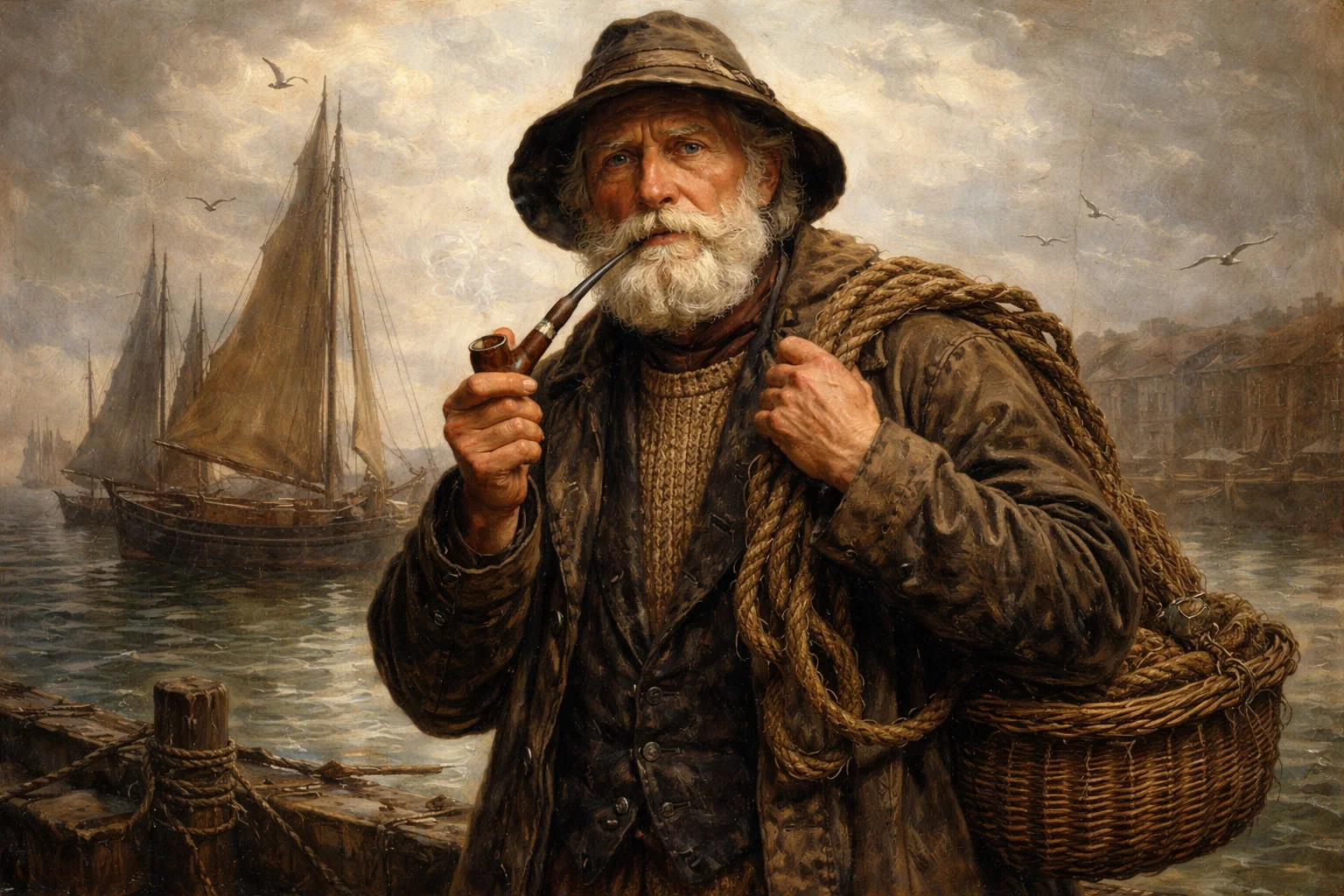
Brighton began as a small coastal settlement built around fishing and local maritime trade, recorded in Old English as ‘Beorhthelm’s tun‘ (Beorhthelm’s farm or settlement), a name that points to its origins as a sheltered shore settlement. Fishermen worked the coast, trading with nearby ports, while lanes and alleys grew from the paths between beach, market and workshops.
Family boats, coopers (barrel makers essential for fish transport), net-makers, and fish-salters created a tight-knit settlement pattern. These trades, vital for preserving and distributing catches, necessitated workshops and storage close to the shore, directly influencing the town’s early, compact layout. When sea-bathing became fashionable in the 18th century, that fishing economy supplied the new inns and helped seed Brighton’s transformation into a resort.
That early maritime economy left visible marks on the town that you can still spot today. Those features formed the foundation for later architectural and transport investments, so recognising them explains why later growth clustered where it did.
Here are the essentials about Brighton’s fishing origins:
- Settlement began around a natural inlet and beach where small boats were hauled ashore and catches processed.
- Local crafts , net-making, coopering, fish-salting , created small industries supplying locals and visitors alike.
- The tight weave of narrow lanes and clustered houses close to the shore reflects a harbour-based economy’s practical needs.
Those simple facts show how fishing shaped the town’s layout and social life long before Brighton became a tourist destination.
How did Brighton’s fishing industry shape its early economy?
Fishing gave Brighton a steady local market and a small export trade that supported craftsmen and merchants, creating demand for inns and food suppliers. Processing and allied trades provided jobs and encouraged a compact layout where sellers and buyers lived near the beach and market, reinforcing local ties and maritime-focused governance. That closeness formed the lanes and early street grid, concentrating trade around slipways and small piers. When sea-bathing and coastal leisure started drawing outsiders, these markets adapted to serve visitors , fish stalls became suppliers for hospitality, and the town began to diversify economically.
Seeing that shift , from fishing to hospitality , helps explain why the oldest neighbourhoods stay dense and why later planned crescents and promenades were built on more open ground as Brighton prepared for its Regency makeover.
How did Regency architecture influence Brighton’s cityscape?
From the late 18th century, and particularly during the early 1800s, Regency taste, boosted by the Prince Regent’s patronage, transformed Brighton from a provincial port into society’s premier seaside address. The Royal Pavilion, for instance, began its transformation under George, Prince of Wales, in 1787, with its iconic Indo-Saracenic exterior largely completed by John Nash between 1815 and 1822.
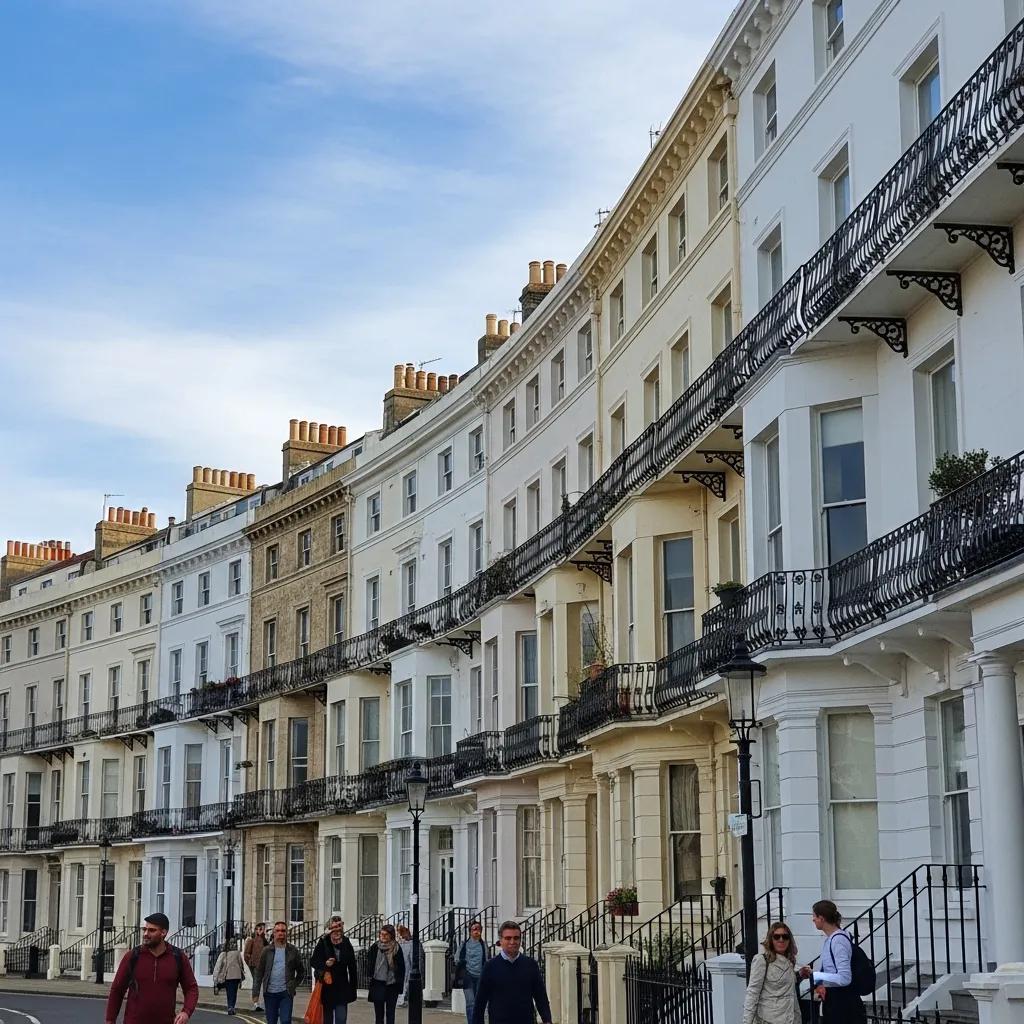
The period brought stuccoed terraces, graceful crescents, decorative ironwork and carefully balanced façades meant to signal leisure and refinement. Those design choices remain highly visible along the seafront and in central streets. Architects translated royal style into an urban language of symmetry, ornament and promenade-led sightlines, making Brighton a national model for a fashionable resort. Today you can read those intentions in materials, street layouts and the way buildings are oriented toward the sea.
Regency features are straightforward to spot. Use this short guide to recognise them on your walk.
Key Regency architectural features to look for:
- Stucco Frontages: Smooth pale renders that mimic stone and give terraces a uniform, polished look.
- Decorative Ironwork: Delicate balconies, railings and verandas that add lace-like detail against plain walls.
- Curved Crescents and Terraces: Harmonious rows and crescents that frame public spaces and open views to the sea.
Spotting these details helps you see how fashion and social taste shaped Brighton’s streets in the Prince Regent’s era.
Before you set out, a quick practical note: the city’s information hub and local guides offer curated walks and museum references that put the Royal Pavilion alongside terraces and crescents. Signing up for the architecture walking guide by email will give you a printable route and notes for spotting period details on your own.
Here’s a compact comparison of notable Regency places and what to look for on the ground:
What is the significance of the Royal Pavilion in Regency Brighton?
The Royal Pavilion is Brighton’s signature Regency landmark , a visible sign of the Prince Regent’s taste and the town’s leap into high-society leisure. Its Indo-Saracenic exterior and richly decorated Orientalist interiors made the Pavilion a draw for aristocratic visitors and helped put Brighton on the map as a fashionable resort. When you visit, look for the domes and minarets, the lavish saloons and chinoiserie interiors, and the Pavilion’s links to George, Prince of Wales. On-site tours and museum displays explain how royal favour reshaped local fashion and boosted the economy.
Visitor tip: check the museum’s guided tours and gallery displays, then wander into neighbouring terraces and gardens to see where Regency social life unfolded.
Which other Regency buildings define Brighton’s heritage?
Regency Brighton isn’t just the Pavilion. It’s also long stuccoed terraces, geometric crescents with shared greens, and refashioned streets full of boutiques and cafés. These buildings show the era’s love of proportion, light façades and delicate ironwork, and they create a visual link between public promenades and private houses. Today, cafés and small museums near these terraces are handy stops to examine details and picture Regency daily life.
Where to see Regency heritage on foot:
- Seafront terraces with continuous stucco fronts and balconies.
- Curved crescents and planned squares that frame communal greens and sea views.
- Converted townhouses near promenades that now house cafés and small galleries.
These stops let you trace how design choices shaped Brighton’s skyline and everyday life in the Regency period.
This quick comparison helps you prioritise what to see on a short architectural walk.
What role did Victorian development play in Brighton’s growth?
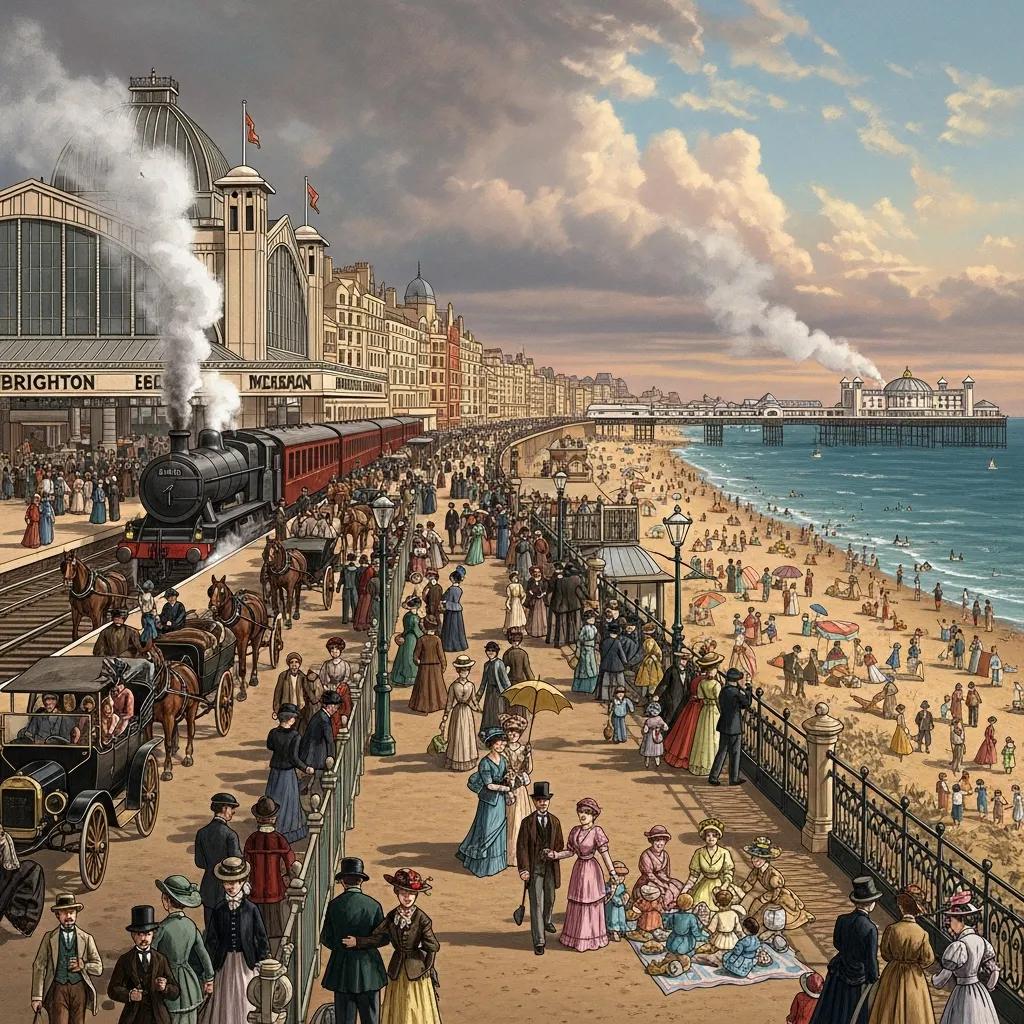
The Victorian era dramatically expanded Brighton in scale and purpose. The opening of the London to Brighton railway in 1841 was a pivotal moment, making travel quick and affordable for the masses. This sparked an unprecedented boom, necessitating extensive infrastructure projects: new hotels, boarding houses, and entertainment venues like music halls and theatres proliferated.
Crucially, it also drove the expansion of civic services, including improved water supply, sanitation, and public baths, to accommodate the rapidly growing population and influx of visitors. Engineering works stabilised the shoreline and created spaces for promenading, while museums, baths and transport hubs professionalised city life. Those changes turned Brighton from an elite retreat into a popular destination and laid the infrastructure that still supports visitors today.
Three clear impacts of Victorian change:
- Transport Expansion: Railway links brought more visitors and helped the town grow.
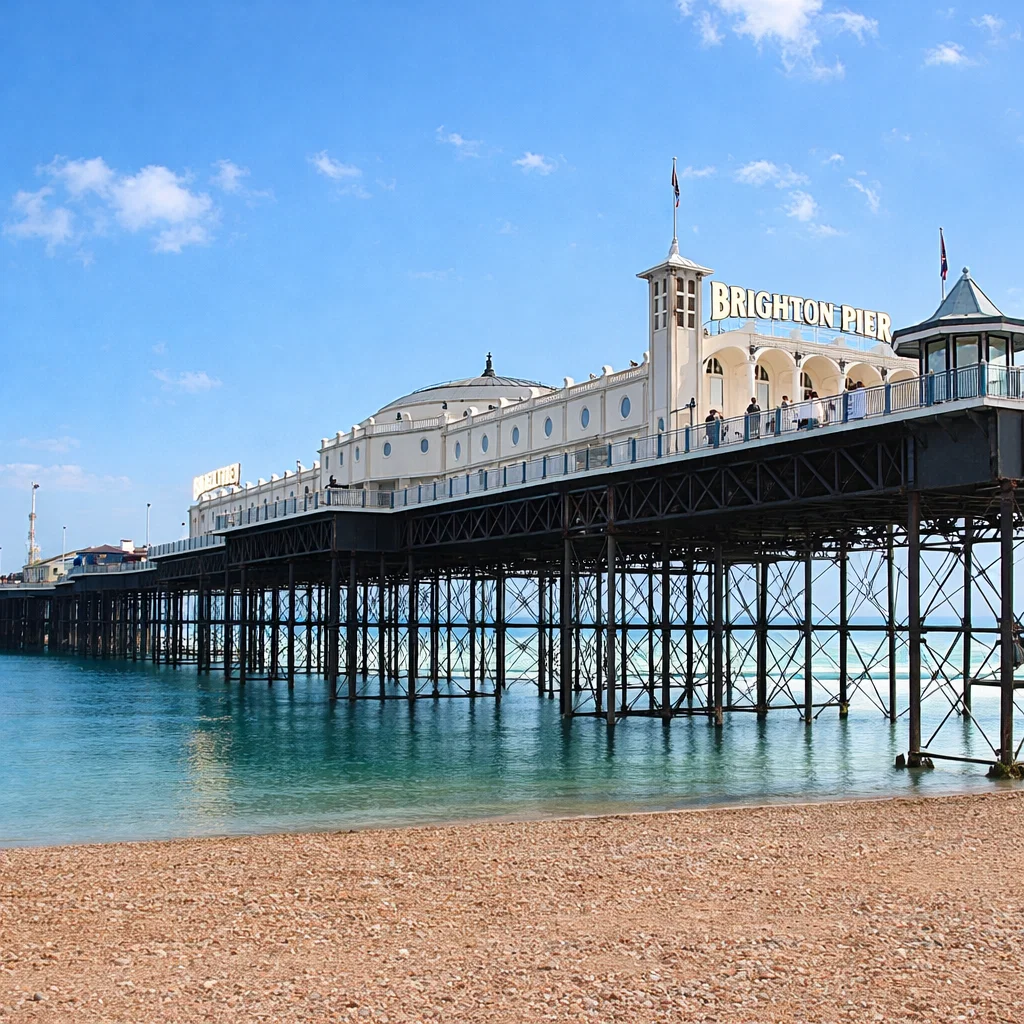
- Seafront Engineering: Iconic piers (West Pier 1866, Palace Pier 1899) and widened promenades formalised seaside leisure, offering structured spaces for strolling, socialising, and enjoying new amusements like Punch and Judy shows, donkey rides, and bandstand concerts.
- Civic Institutions: Museums, baths and public services modernised day-to-day life.
These developments explain how Victorian technical and social choices reoriented Brighton toward mass tourism and civic life.
How did Victorian infrastructure transform Brighton?
Victorian projects reshaped movement, services and public spaces through rail, seafront works and municipal building programmes. The railway connection to major cities dramatically shortened travel times and encouraged population growth as workers and entrepreneurs moved in to serve the tourism economy. Piers, promenades and sea defences formalised leisure and supported music halls and theatres. Public utilities and civic buildings improved sanitation and administration, anchoring new neighbourhoods and making longer stays attractive.
Representative Victorian projects and their lasting effects:
What cultural shifts occurred during Victorian Brighton?
Victorian Brighton broadened leisure culture and mixed social groups in public spaces once reserved for the elite. Promenading, seasonal holidays, and a diverse array of seaside amusements, from pier entertainments and music halls to donkey rides and Punch and Judy shows, became mainstream across classes, while new entertainments , music halls, theatres and exhibitions , widened the town’s cultural offer. This shift built an economy of hospitality and spectacle and influenced local crafts and businesses that supplied tourists. The democratization of seaside leisure in the Victorian era set the stage for 20th-century cultural experiments and Brighton’s longstanding reputation for inclusivity.
Understanding these shifts helps explain later cultural scenes and why mixed-use neighbourhoods , where entertainment, shops and homes coexist , are still common.
How has Brighton’s history shaped its modern identity?
Brighton’s layered past shows up in its buildings, festivals and neighbourhood characters: Regency elegance, Victorian leisure infrastructure and 20th-century cultural bursts all feed the city’s vibe. You’ll see Regency façades along the seafront, Victorian piers and venues repurposed for contemporary events, and lanes filled with independent shops, galleries and cafés that reflect long-running commercial patterns. Maritime and resort legacies continue to support a visitor economy built on heritage trails, museums and themed walks, while community projects keep local memory alive through festivals and markets. The result is a city that’s both a living museum of coastal development and a lively cultural hub.
Here are three practical ways Brighton’s history is visible today:
- Heritage-led tourism: guided walks, museum shows and architecture trails that interpret Regency and Victorian layers.
- Built environment: preserved terraces, piers and lanes that shape neighbourhood identity and visitor routes.
- Community events: festivals and markets that nod to maritime or seaside traditions while celebrating local creativity.
These channels show how past eras still influence everyday life and visitor experiences in Brighton.
In what ways does Brighton celebrate its historical heritage today?
Brighton marks its past through museums, preserved buildings, community heritage projects and events that welcome public participation. Museums tell the Pavilion’s story, seafront sites stage exhibitions on leisure history, and numerous local community groups actively document memories, conserve historic façades, and promote walking routes. These grassroots efforts ensure history remains a living part of the city’s fabric. Guided tours, interpretive panels and curated itineraries make historical threads easy to follow. The city’s information hub collects routes and event listings, and signing up for newsletters gets you walking notes and heritage updates.
Venues and activities that bring Brighton’s history to life:
- Museums and galleries interpreting the Regency and Victorian periods.
- Guided architecture and history walks focusing on the Pavilion, terraces and The Lanes.
- Community heritage projects and seasonal events that animate historic sites.
How do historical periods influence Brighton’s tourism and community?
Each historical layer gives businesses and community groups a theme to work with. Regency architecture supports heritage trails and cultural tourism; Victorian infrastructure underpins family-friendly seafront attractions; and 20th-century developments feed creative industries and festival life. Local cafés, galleries and tour operators use these frames to design experiences, while community organisations turn heritage into active programmes that attract visitors and sustain local identity. For a richer visit, pick a theme , Regency, Victorian or maritime , then follow walking routes, museum displays and curated itineraries that link buildings to social stories.
Practical tips for exploring Brighton’s living history:
- Choose a Theme: Focus on one period to give your visit shape and depth.
- Mix Sites: Combine big landmarks with small museums or community projects for fuller context.
- Engage Locally: Join talks, walks or heritage events to hear local voices and living traditions.
The city’s information hub offers ready-made themed routes and event updates; sign up to receive guided walking notes and suggested day plans that match the historical themes above.
Frequently Asked Questions
What are some key events that shaped Brighton’s development?
A few decisive moments changed Brighton’s course. The London to Brighton railway opening in 1841 made travel quick and affordable, sparking an unprecedented boom in visitors, population growth, and the development of extensive new infrastructure like hotels and entertainment venues. The Palace Pier, opened in 1899, further cemented Brighton’s reputation as a premier leisure town. Later, cultural events like the Brighton Festival added to the city’s creative profile. Each milestone helped Brighton adapt and reinvent itself.
How does Brighton’s history influence its current festivals?
Many festivals draw on Brighton’s past , maritime traditions, Regency style and Victorian leisure all show up in themes and programming. The Brighton Festival highlights local arts, while Brighton Pride reflects the city’s progressive, inclusive culture. Festivals often mix historical reference with contemporary creativity to involve both residents and visitors.
What role do local communities play in preserving Brighton’s history?
Communities are central to keeping Brighton’s story alive. Local groups run heritage projects, collect oral histories, conserve buildings and lead walks. Events like heritage open days invite public participation and let residents share personal connections to the past. Grassroots action ensures history stays relevant and shared across generations.
How can visitors best explore Brighton’s historical sites?
Follow curated walking routes or themed maps to hit the highlights efficiently. The city’s information hub offers maps and guides for different interests , Regency architecture, Victorian leisure, maritime roots. Guided tours add depth, and museums provide contexts that bring landmarks to life.
What are some lesser-known historical facts about Brighton?
Brighton has plenty of neat surprises. The Prince Regent’s fondness for the town helped shape its Regency face. The West Pier, opened in 1866, was an early example of a pier with concert facilities, showcasing Brighton’s pioneering spirit in entertainment. And The Lanes, with their distinctive narrow, winding layout, originated directly from the ancient fishing paths and alleys of Brighthelmstone, retaining their medieval footprint even as buildings were refronted over centuries.
How has Brighton’s cultural diversity evolved over time?
Brighton’s diversity grew from its days as a seaside destination and from an open, welcoming spirit. Victorians brought mixed-class leisure, and through the 20th century Brighton became a magnet for artists, musicians and the LGBTQ+ community. Today that mix is celebrated in markets, events and neighbourhood life, making Brighton a lively cultural melting pot.
Final thoughts
From fishing village to Regency showpiece and Victorian holiday town, Brighton’s history is woven into its streets, festivals and communities. Knowing those layers helps you read the city , its architecture, cultural events and neighbourhood character , with fresh eyes. If you want to go deeper, join a guided walk or pick up a themed itinerary from the city’s information hub. Discover Brighton’s living history and the stories that still shape the place today.