Historic Pubs in Brighton and the Stories Behind Them

22 December 2025

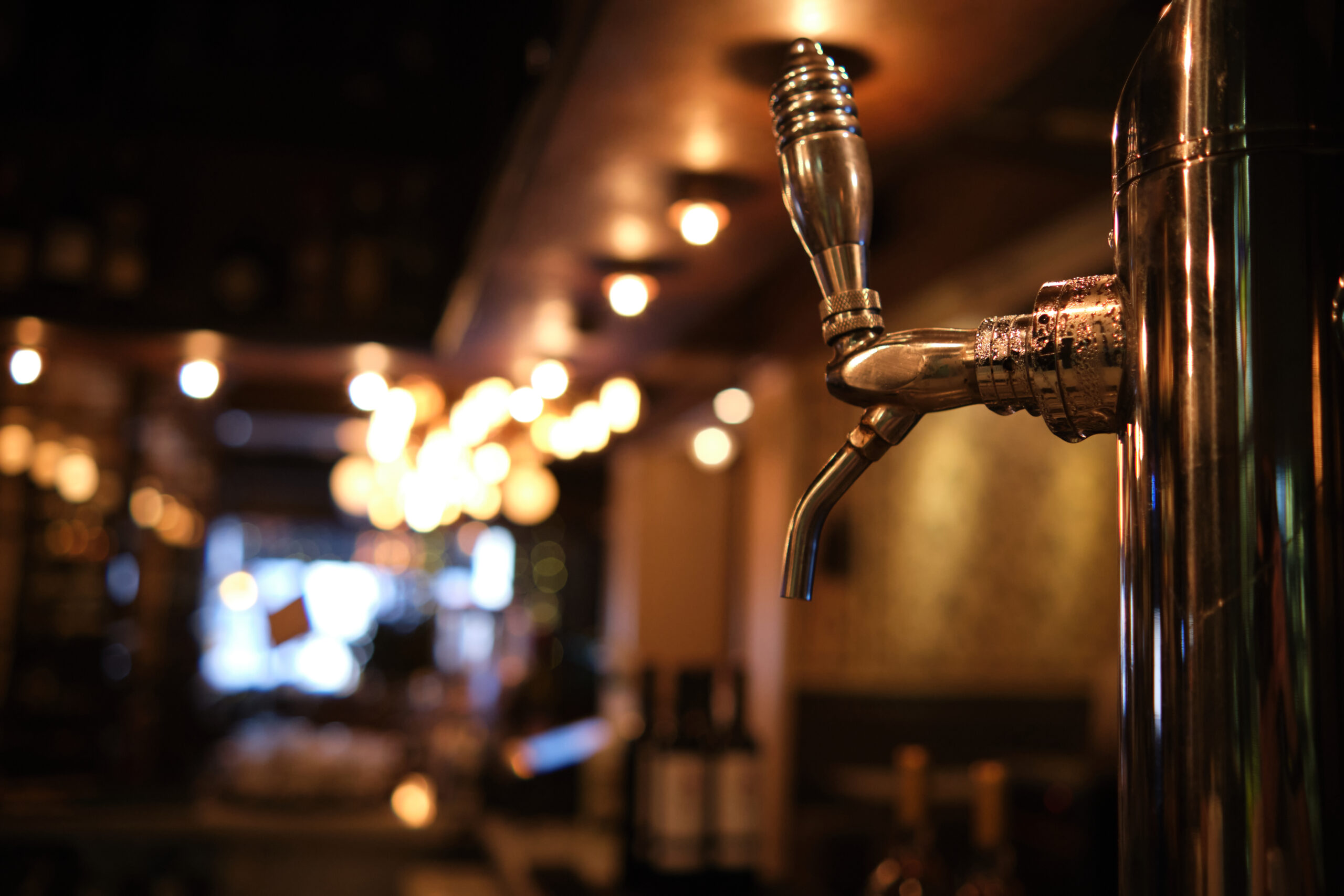
Historic pub in Brighton with patrons enjoying drinks outside, showcasing unique architecture and lively atmosphere

This blog post may contain affiliate links. As an Amazon Associate I earn from qualifying purchases.

Historic Pubs in Brighton: Stories, Secrets & How to Explore Them

Brighton’s historic pubs are living landmarks where building detail, local life and neighbourhood folklore meet to tell the city’s story. In this guide we use “historic pub” for places with verifiable roots in Brighton — whether through documented founding eras, long-running use, distinctive architecture or well-attested local stories — and explain why those things matter to visitors today. You’ll find insights into pubs often cited as the oldest, notable ghost tales, architectural features to look for, curated walking routes and the people and laws that shaped the pub scene.

Many visitors find it hard to separate myth from verifiable fact; this piece makes that easier by signposting sources and archival touchpoints while giving practical routes to experience these places. We’ve also included curated lists, comparison tables and sign-up prompts so you can grab downloadable maps and themed routes to plan an informed, enjoyable visit.

How we keep this guide accurate: This guide prioritises official listings, reputable local history sources, and on-site venue information. Please note that details can change, and we recommend checking directly with venues for the most current information.

What Are Brighton’s Oldest Pubs and Their Historical Significance?

Historic pubs in Brighton are buildings with documented founding eras, surviving architectural fabric, or long-standing roles as coaching inns, harbour taverns or community hubs. They’re tangible links to Brighton’s shift from fishing village to Victorian seaside resort. Below we round up the most frequently cited candidates for “oldest” and offer short profiles that pair founding-era evidence with practical notes for visitors. This overview helps you judge “oldest” claims and decide which pubs to prioritise on a historical walk. After the profiles you’ll find a compact comparison table showing founding eras, standout features and what to expect today.

Which pub is often claimed as Brighton’s oldest continuously operating establishment?

Many pubs are often claimed to be Brighton’s oldest, but the title is explicitly contested and depends heavily on the criteria used. There’s no single, uncontested answer: “oldest” depends on your criteria — a documented founding date, uninterrupted public‑house use, or surviving fabric you can tie to a period. Some pubs point to cellars often cited as ancient or early map references; others rely on long licence records. The difference comes down to patchy documents and centuries of alterations.

Historic England records, local newspapers and Brighton & Hove City Council archives are the best primary sources for verification, so researchers compare licences, tax lists and the buildings themselves. As a visitor, treat “oldest” as interpretive: pick pubs for the kind of history you want to see — cellars often cited as ancient, Georgian façades or Victorian interiors — rather than chasing a single definitive title.

What unique histories define The Cricketers, The Black Lion, and The Walrus?

Short, sourced vignettes help separate well-documented fact from local lore. Each profile below ties the historical claim to what you can still see and points you toward where to check documentary confirmation in local archives and reputable local reporting.

Different visitors value different kinds of evidence; knowing the documentary basis for each claim makes pub-hopping more interesting and more reliable.

The Cricketers

  • Where it is: The Lanes, Brighton
  • Why it is notable historically: Widely cited as one of Brighton’s oldest pubs, though “oldest” is contested depending on criteria. Known for links to local sport and coaching traffic.
  • What to look for: Layered interiors reflecting 18th–19th-century phases, community gathering spaces.
  • Practical tip: Visit for a traditional pub atmosphere and a deep dive into local history.

The Black Lion

  • Where it is: The Lanes, Brighton
  • Why it is notable historically: A long-standing neighbourhood focal point in the heart of The Lanes, later remodelled in the Victorian period.
  • What to look for: Victorian interior fittings and signage that speak to different eras, traditional bar layout, local regulars.
  • Practical tip: Experience a classic Brighton pub in a bustling area, great for people-watching.

The Walrus

  • Where it is: The Lanes, Brighton
  • Why it is notable historically: Shows layered continuity through municipal mentions and maritime-themed details: its name and décor nod to Brighton’s seaside trade.
  • What to look for: Nautical motifs, a friendly taproom atmosphere.
  • Practical tip: Great for a drink with a nod to Brighton’s coastal heritage, often has live music.

Before you set out, a quick comparative reference places these pubs in context.

Founding eras, key features and visitor expectations vary between places.

PubFounding date / eraNotable historical features / current offering
The CricketersWidely cited as one of Brighton’s oldest, though contestedCoaching‑inn heritage, layered interiors, community events
The Black LionLong-standing neighbourhood focal point (Victorian remodelling)Victorian remodelling, traditional bar layout, local regulars
The WalrusLong-standing maritime neighbourhood tiesNautical motifs, archival mentions of seaside trade, friendly taproom
The Old Ship Hotel (pub spaces)Georgian era with older site historyLarge coaching‑hotel footprint, historically attached guest rooms
The Pump House Local heritage plaques describe cellars often cited as ancient; brewing heritageSubterranean cellars (as described on-site), brewing heritage and adaptive reuse

Which Haunted Pubs in Brighton Offer Spooky Stories and Paranormal Legends?

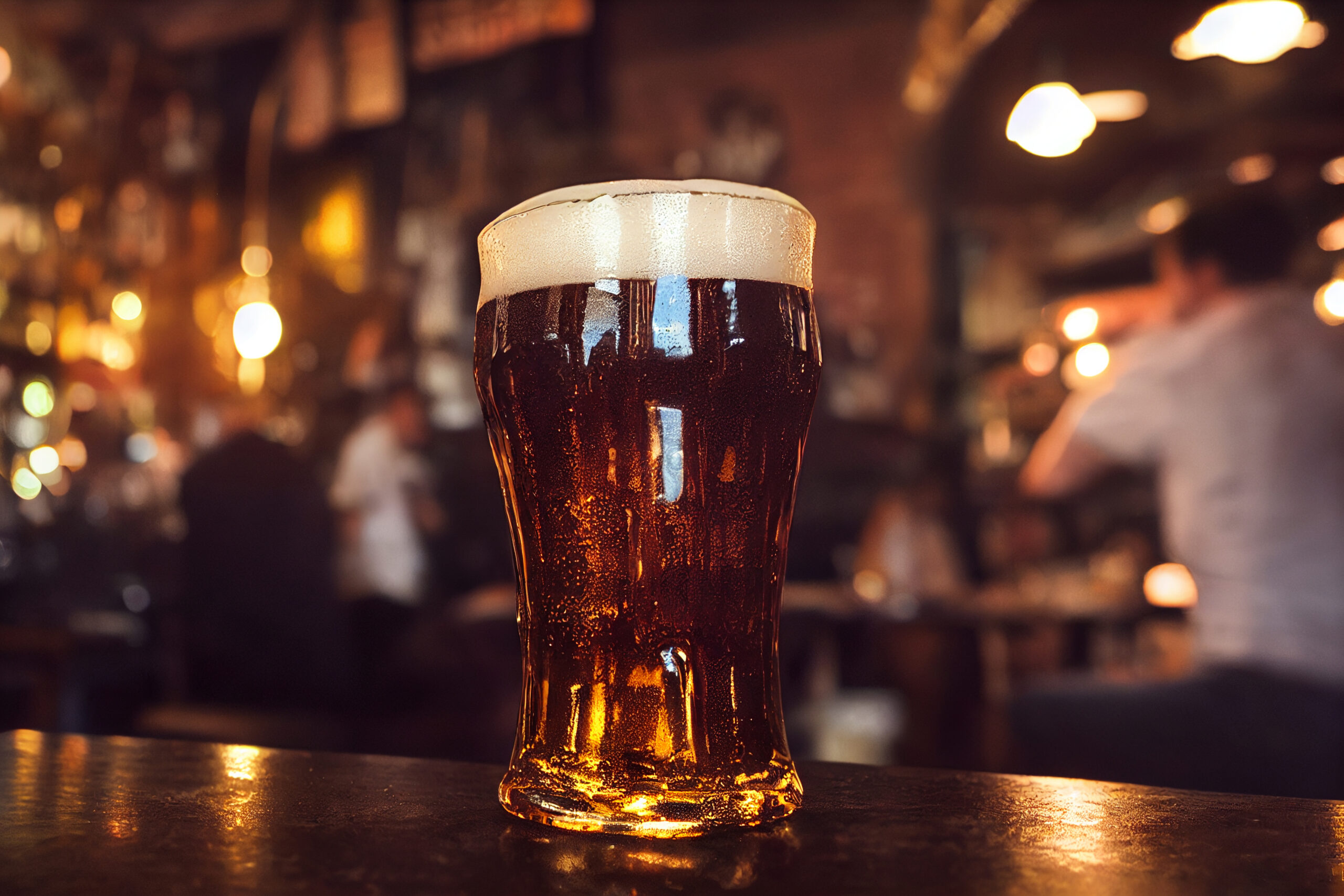
Dimly lit pub interior in Brighton, evoking atmosphere and local folklore

Brighton’s haunted pubs sit where folklore, repeated local reports and occasional archival mentions overlap — material that attracts ghost walks and curious visitors. It’s important to note that all paranormal content is presented as folklore and ghost-walk legend, not verified historical fact. Folklore tends to cluster around cellars, tragic events or persistent anecdotes found in local guides and newspapers; distinguishing well-attested accounts from later embellishment is key to responsible storytelling.

We present these legends alongside likely sources — guidebooks, news features or oral-history projects — so you can judge credibility and see how the stories feed into Brighton’s heritage tourism. Below we give two well-documented examples and a table mapping reported phenomena to their primary sources for clarity.

What ghost stories surround The Druid’s Head and The Pump House?

The Druid’s Head and The Pump House each have recurring local legends, often tied to cellars or back rooms. At The Druid’s Head, walking-guide accounts describe unexplained sounds and occasional apparitions linked to the building’s long social history; these reports usually appear in regional publications and guide scripts rather than formal investigations. The Pump House (pub in The Lanes, Brighton)’s cellars, described on-site and in local heritage plaques as ancient, have inspired tales of phantom footsteps and cold spots, noted in local news features and ghost-walk narratives.

These stories are best understood as folklore and local legend, adding to the pubs’ atmosphere rather than representing verifiable historical events. Visitors should approach such claims with curiosity and respect for the pubs’ living communities.

How do haunted pubs contribute to Brighton’s cultural tourism?

Haunted pubs add narrative depth and evening appeal to Brighton’s cultural offer, complementing architectural and literary trails. Ghost walks and themed nights bring extra footfall to heritage pubs during quieter hours and can encourage better care of historic fabric through adaptive use. Responsible interpretation steers clear of sensationalism: guides who cite archives and contextualise folklore protect both historical truth and local reputations.

For visitors, pairing a ghostly yarn with documentary evidence — for example, linking an apparition to a recorded event in municipal archives — makes the experience richer and supports sustainable heritage tourism.

To keep claims transparent, the table below links reported phenomena to their cited sources.

Reported hauntings and where they were first or most often reported.

PubReported phenomenon / legendSource / citation
The Druid’s HeadApparitions, footsteps in upper roomsLocal walking guides; regional newspaper features
The Pump HouseCold spots, cellar echoes (linked to cellars described as ancient)Articles on historic cellars; ghost‑walk narratives
The Old Ship HoteUnusual noises, spectral guestsLocal oral histories; guidebook mentions
The WalrusStrange noises linked to maritime pastCommunity recollections reported in local media

How Does Brighton’s Pub Architecture Reflect Its Historical Evolution?

Traditional Brighton pub exterior showing sash windows and timber detailing

Brighton’s pub architecture records major stylistic shifts — from Georgian and Regency proportions to Victorian richness and later Mock Tudor revival — each reflecting social changes like seaside leisure, the railway boom and urban growth. Features such as sash windows, decorative bar tiles, timber framing and surviving cellars, some described as ancient, help date buildings and show how they worked in their day. Looking at representative pubs makes it easier to see how external styles were adapted for public-house use and highlights conservation issues that affect access and interpretation. The subsections below profile two emblematic pubs and draw out how Victorian and Mock Tudor tastes shaped local pub design.

What are the distinctive architectural features of The King and Queen and The Prince Albert?

The King and Queen and The Prince Albert offer contrasting examples of Brighton’s pub architecture. Look for segmented private rooms, polished wooden bar counters, etched glass and tiled public areas that reflect licensing-era needs for separate drinking spaces; upstairs rooms sometimes survive as former lodging or function rooms tied to coaching inns. Historic England and local conservation statements often record these features if a building is listed or locally protected. Spotting restorations and preserved fittings on a visit helps you link architectural detail to the social history of drinking and hospitality in Brighton.

The Prince Albert

  • Where it is: Near Brighton Station, North Laine
  • Why it is notable historically: A pub with distinctive Victorian-era features.
  • What to look for: Victorian architecture, vibrant street art (on exterior).
  • Practical tip: A great first stop from the station, known for its music scene and iconic murals.

The King and Queen

  • Where it is: North Laine, Brighton
  • Why it is notable historically: Famous for its striking Mock Tudor look, rebuilt 1931–32 by local architects Clayton & Black, showcasing interwar period styling.
  • What to look for: Half-timbering, decorative timberwork, segmented private rooms, polished wooden bar counters, etched glass.
  • Practical tip: Appreciate its distinctive architecture and lively atmosphere, especially popular for pre-theatre drinks.

How have Victorian and Mock Tudor styles influenced Brighton’s traditional pubs?

Victorian design brought ornate fittings, patterned tiles and compartmentalised rooms that served an expanding urban clientele and reflected classed social habits. The Mock Tudor revival, exemplified by pubs like The King and Queen (rebuilt 1931–32), later added half‑timbering and decorative timberwork that evoked an imagined vernacular past. Pub owners used these styles to signal respectability, attract customers and fit wider townscape fashions in the 19th and early 20th centuries.

Look for tiled bar surrounds, stained glass, timber panelling and applied half‑timber façades — where they survive, these features are central to a pub’s heritage appeal and may affect listing or conservation advice. Reading these stylistic markers helps you see buildings as documents of changing taste and regulation, and explains why some pubs feature on architecture trails.

These architectural clues lead naturally to the themed routes below, which link pubs, haunted sites and design highlights into walkable experiences.

Before you head out, a few recommended routes and practical tips make exploring manageable.

What Themed Pub Trails and Routes Can Visitors Explore in Brighton?

Themed pub trails bundle related pubs by history, atmosphere or architecture into manageable walking itineraries with clear starting points, highlights and estimated durations. Trails can focus on pubs often cited as the oldest, haunted spots or architectural gems and work best paired with maps and one-line historical hooks for each stop. Below are suggested routes that balance walking time with refreshment opportunities and interpretive value. Sign up for our newsletter to get downloadable maps and exclusive themed routes.

The Lanes and Seafront Trail

Explore Brighton’s maritime past, historic Lanes, and a touch of local folklore on this central route.

  • Starting Point: The Old Ship Hotel (near the seafront)
  • Approximate Walk Time: 60-90 minutes (excluding stop time)

Suggested Stop Order:

The Old Ship Hotel (pub spaces)

  • Where it is: Seafront, Brighton
  • Why it is notable historically: Begin at this historic coaching hotel with Georgian roots, reflecting Brighton’s early resort days.
  • What to look for: Large coaching-hotel footprint, historically attached guest rooms.
  • Practical tip: Ideal for starting a seafront exploration, offering a glimpse into Brighton’s resort history.

The Walrus

  • Where it is: The Lanes, Brighton
  • Why it is notable historically: Head into The Lanes to this pub with nautical motifs and archival mentions of seaside trade.
  • What to look for: Nautical motifs, a friendly taproom atmosphere.
  • Practical tip: Great for a drink with a nod to Brighton’s coastal heritage, often has live music.

The Black Lion

  • Where it is: The Lanes, Brighton
  • Why it is notable historically: Discover this Victorian-remodelled pub, a long-standing neighbourhood focal point in the heart of The Lanes.
  • What to look for: Victorian interior fittings and signage, traditional bar layout.
  • Practical tip: Experience a classic Brighton pub in a bustling area, great for people-watching.

The Druid’s Head

  • Where it is: The Lanes, Brighton
  • Why it is notable historically: Finish with a pub known for its local legends and atmospheric interior, often featured on ghost walks.
  • What to look for: Atmospheric interior, features that reflect its long social history.
  • Practical tip: Visit for a spooky story and a traditional pub experience, especially atmospheric in the evening.

Station to North Laine Trail

Journey from the railway station through the vibrant North Laine, exploring pubs with Victorian character and unique histories.

  • Starting Point: The Prince Albert (near Brighton Station)
  • Approximate Walk Time: 75-105 minutes (excluding stop time)

Suggested Stop Order:

The Prince Albert

  • Where it is: Near Brighton Station, North Laine
  • Why it is notable historically: Start at this pub, known for its distinctive Victorian architecture.
  • What to look for: Victorian architecture, vibrant street art (on exterior).
  • Practical tip: A great first stop from the station, known for its music scene and iconic murals.

The King and Queen

  • Where it is: North Laine, Brighton
  • Why it is notable historically: Visit this pub, famous for its striking Mock Tudor architecture, a result of its 1931–32 rebuild by local architects Clayton & Black, showcasing interwar period design.
  • What to look for: Half-timbering, decorative timberwork, segmented private rooms, polished wooden bar counters.
  • Practical tip: Appreciate its distinctive architecture and lively atmosphere, especially popular for pre-theatre drinks.

The Cricketers

  • Where it is: The Lanes, Brighton
  • Why it is notable historically: Visit this pub, widely cited as one of Brighton’s oldest, with links to local sport and coaching traffic.
  • What to look for: Layered interiors reflecting 18th–19th-century phases, community gathering spaces.
  • Practical tip: Visit for a traditional pub atmosphere and a deep dive into local history.

The Pump House (pub in The Lanes, Brighton)

  • Where it is: The Lanes, Brighton
  • Why it is notable historically: Conclude at a venue where local heritage plaques describe cellars often cited as ancient, adding a layer of history to your walk.
  • What to look for: Subterranean cellars (as described on-site), features reflecting brewing history.
  • Practical tip: Explore for a glimpse into claimed ancient history and a unique atmosphere.

Who Are the Notable Figures and Events Connected to Brighton’s Historic Pubs?

Writers, public figures and legislation have all left marks on Brighton’s pub landscape. Literary regulars lend cultural associations, while laws such as the Beerhouse Act 1830 reshaped how beer was sold and where. Below we profile named figures and explain the Beerhouse Act’s local effect with sourced context, plus a short timeline linking events and people to changes in pub architecture and operation.

What roles did Graham Greene and Jack the Ripper play in pub histories?

Graham Greene’s links to Brighton form part of the city’s literary map; where biographies or local guides record his visits, those connections add verifiable colour. By contrast, alleged Jack the Ripper ties to Brighton pubs are usually speculative and often trace back to sensational retellings. It is crucial to state that there is no reliable contemporary evidence tying Jack the Ripper to Brighton pubs, and any such claims should be treated purely as local legend or sensationalised folklore. Responsible pub history highlights well‑sourced literary associations and treats more sensational claims cautiously, with clear sourcing.

How did the Beerhouse Act 1830 impact the development of Brighton’s pubs?

The Beerhouse Act 1830 relaxed restrictions on beer retailing, letting new beerhouses open with fewer licensing hurdles and increasing the number and spread of places selling beer. In Brighton this encouraged beerhouses serving working‑class neighbourhoods and visitors alike, reshaping the drinking scene and contributing to the variety of pub types you see today. Local directories and licensing records show a spike in premises at the time, with some later absorbed into larger inns or rebuilt during Victorian expansion. Understanding this turning point helps explain why Brighton’s pubscape is both architecturally and socially diverse.

These figures and events set the scene for hands-on exploration; the next section explains how visitors can take part and add to local knowledge.

How Can Visitors Engage with Brighton’s Pub Heritage and Local Stories?

You can get involved through mapped trails, quizzes, audio guides and community groups that blend research-backed content with user contributions. Interactive assets make pub histories easier to access: an annotated map links sites to archival notes, a short quiz primes you for what to notice, and audio clips bring primary sources or guide anecdotes to life. Responsible engagement also encourages submitting personal recollections to local archives and joining guided walks run by reputable historians. Below are suggested interactive formats and simple steps to join in — and a reminder to sign up for insider content and downloadable assets.

What interactive maps, quizzes, and multimedia enhance the pub exploration experience?

Useful interactive tools include an annotated digital map with source notes, printable walking-route PDFs for offline use, short audio guides that narrate documented events, and a brief quiz to focus your eye on architectural features and local legends. Maps organise logistics, audio adds depth while you walk, PDFs are handy backups and quizzes boost retention. For planning, consider a 30–60 minute audio guide paired with a printable route and a five‑question pre‑walk quiz. Some curated assets may be email‑gated so subscribers get extra downloads, but the core guidance and on-site observation are always freely available.

These tools make exploration richer and point you toward community networks where you can share what you find.

How to join local communities and sign up for insider tips on Brighton’s historic pubs?

Joining local history groups, going on guided walks and subscribing to curated updates are straightforward ways to stay involved and add to community knowledge. Start by attending a reputable guided walk, follow archival projects that welcome contributions, and use social channels or community lists to connect with fellow enthusiasts — always include verifiable details when you share anecdotes. Brighton Up Your Day acts as an information hub that highlights vetted local stories and curated routes and invites readers to sign up for more materials. Sign up for insider routes, downloadable maps and local stories.

  • Attend a guided walk: experience interpreted history with a local expert.
  • Subscribe for curated assets: get downloadable maps and themed routes.
  • Submit local memories: add to community archives with documented details.
  • Engage on community lists: share observations and photos with other enthusiasts.

These steps move you from passive sightseeing to active participation in preserving and interpreting pub heritage.

Got questions?

Frequently Asked Questions

What types of themed pub trails are available in Brighton?

Brighton has a range of themed trails to suit different tastes, including our “Lanes and Seafront Trail” and “Station to North Laine Trail,” which focus on pubs often cited as the oldest, haunted spots, or architectural highlights. Each trail usually lists curated stops with short historical notes so you can appreciate the stories behind each venue. For the best experience, download a map or join a guided tour that highlights the theme you’re interested in.

How can I ensure a respectful visit to Brighton’s historic pubs?

Be mindful of local etiquette: keep noise down in quieter spots, respect other customers, and check a pub’s photography or behaviour rules — especially in venues with significant heritage. Asking staff about the pub’s history is a great way to learn more and show appreciation for the place.

What should I look for when exploring the architectural features of Brighton’s pubs?

Look for features that point to different periods: sash windows and balanced proportions for Georgian, patterned tiles and compartmentalised rooms for Victorian, and timber work or half‑timbering for Mock Tudor. Notice how layouts supported social life — separate drinking areas, bar counters and upstairs rooms — and how restorations have preserved or altered original fabric.

Are there any notable local figures associated with Brighton’s pubs?

Yes. Authors, artists and other public figures have featured in Brighton’s pub histories; Graham Greene, for example, has documented connections to local establishments. While some local legends link figures like Jack the Ripper to Brighton pubs, it’s important to note there is no reliable contemporary evidence for such claims. Legislative changes like the Beerhouse Act 1830 also played a big role in shaping the pub landscape. Exploring these links gives extra cultural context to your visits.

How can I participate in preserving the history of Brighton’s pubs?

Get involved by joining local history groups, contributing memories to archives, or going on guided walks that document pub heritage. Sharing well‑attributed photos and stories on local forums or with archives helps build the public record and raises awareness of these places.

What are some tips for planning a pub crawl in Brighton?

Plan a route that balances distance and number of stops so the outing stays enjoyable. Check opening times and events, include a couple of food stops, and pace yourself. If you want context as you go, try a guided tour or a downloadable route with short historical notes so you don’t miss key highlights.

Conclusion

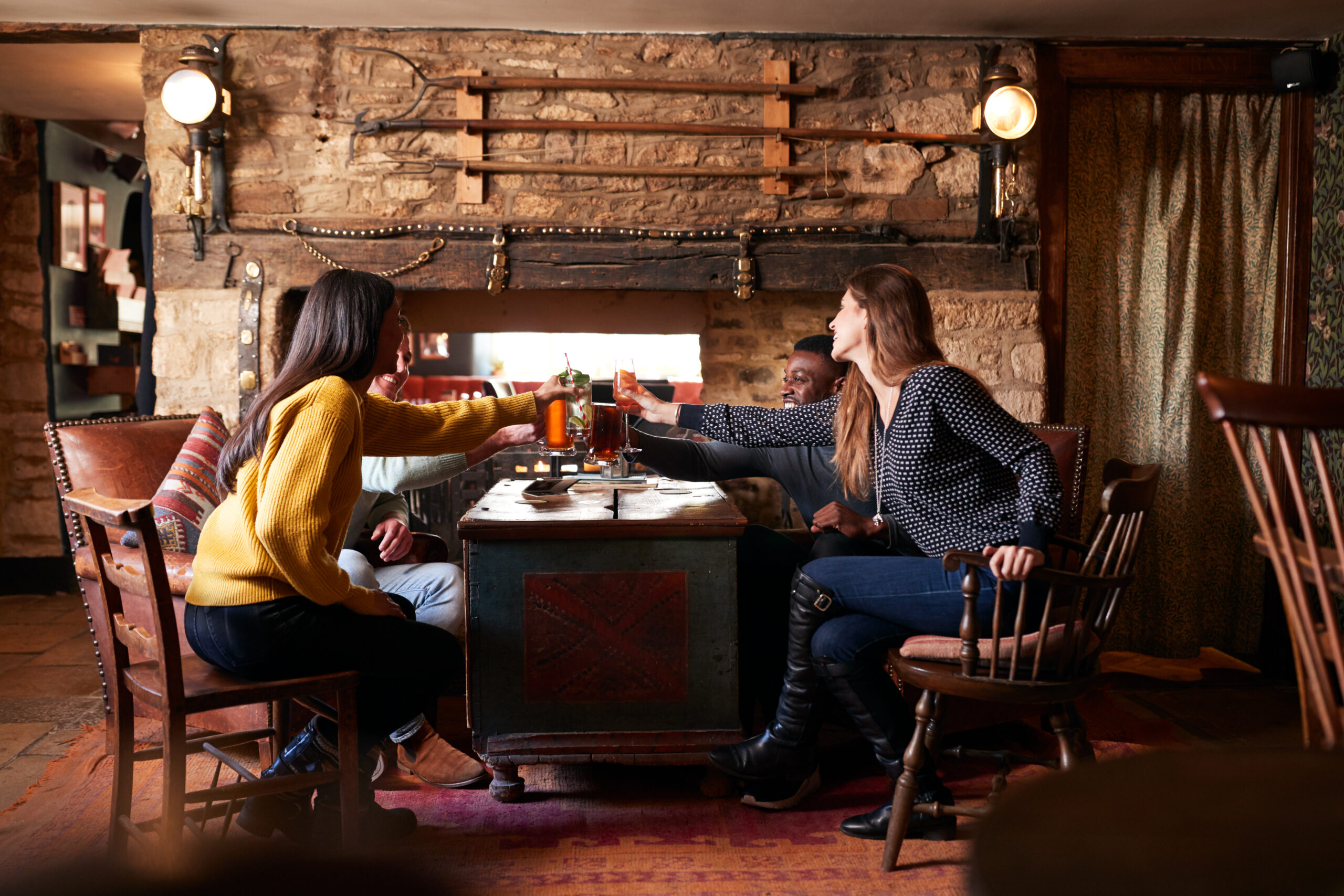
Historic pubs in Brighton- The interior of an English pub with locals enjoying themselves

Exploring Brighton’s historic pubs uncovers a patchwork of architecture and neighbourhood stories that bring the city’s past to life. Each pub displays character — in its fittings, its name or the tales people tell — and visiting with a bit of context makes the experience richer. Whether you follow a themed trail, join a guided walk or use our downloadable maps, you’ll leave with a better sense of how these places shaped local life. Sign up to receive exclusive maps and insider tips to make the most of your pub adventures in Brighton.

Accuracy note: Historic claims and interpretations in this guide are based on a mix of public records, venue information, and reputable local sources. Historical understanding can evolve, and interpretations may vary.

If you’re a pub fanatic and you liked this blog, you’ll surely love these useful reads on Brighton Up Your Day

Article by Dave King

Hey, I’m Dave. I started this blog because I’m passionate about all things Brighton. As a lifelong resident, I share with you- spots, stories, and seasonal gems that help you experience Brighton like someone who truly knows it. Whether you’re planning a visit or living nearby, there’s always something new to discover here.

Leave a comment